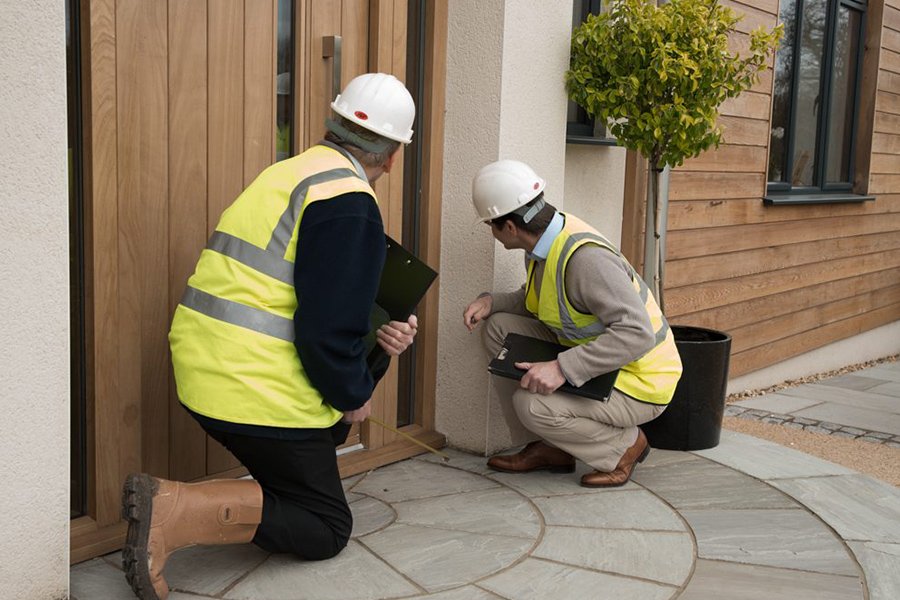
Most homeowners walk into a first meeting unsure what to expect — will it feel like a sales pitch, or an actual conversation about their home? The quality of that first hour tells you more about a firm than any portfolio scroll beforehand. Here’s a walk-through of what a well-run consultation typically covers, in roughly the order it should happen.
It Starts With Questions About You, Not the Space
Before any layout or material talk, a good consultation opens with questions about how you actually live — who’s in the household, whether anyone works from home, how often you host guests, what’s currently frustrating about the space. If the first fifteen minutes are entirely about style references and Pinterest boards, something’s being skipped. These lifestyle questions aren’t small talk; they’re the foundation everything else gets built on.
Then It Moves to Property-Specific Constraints
A solid consultation covers your property type early — whether you’re in a high-rise apartment, builder floor, or independent villa — and what that means practically. Society approval timelines, structural limitations, infrastructure age: these get raised as real considerations, not footnotes. A residential interior designer Gurgaon professional worth working with will ask about your society’s renovation rules before you even think to mention them.
Budget Gets Discussed Honestly, Not Avoided
This is often where consultations go wrong — either the firm avoids the budget conversation entirely, hoping to win you over with design first, or it happens so vaguely that you leave without a real sense of range. A better version sounds specific: “given what you’ve described, carpentry alone will likely be a significant portion of this — where do you want flexibility versus where are you firm?” A firm willing to talk numbers candidly in the first meeting usually stays candid throughout the project.
Your Must-Haves and Nice-to-Haves Get Separated Out Loud
A good designer will actively help you sort your wish list into what’s essential and what’s flexible, right there in the conversation — not leave you to figure that out alone later when costs come in higher than expected. This sorting exercise, done early, becomes the reference point if trade-offs are needed down the line.
They Explain Their Process, Not Just Their Aesthetic
Somewhere in this conversation, a strong firm walks you through what actually happens next — site survey, concept development, material selection, execution — and roughly how long each stage takes. Vague answers here (“we’ll figure it out as we go”) are worth noting as a caution sign, not a reassurance.
They Ask How Involved You Want to Be
Toward the end, a thoughtful consultation asks directly: how much do you want to review and approve along the way, versus how much do you want handled for you? This single question, asked plainly, prevents most of the mismatched-expectations friction that surfaces mid-project. A firm that assumes an answer instead of asking is more likely to misjudge your involvement level.
What You Should Walk Away With
By the end, you should have a rough sense of timeline, budget range, property-specific considerations, and how the firm plans to communicate with you going forward — not just excitement about a mood board. If a consultation ends with only the latter, it’s worth asking the practical questions yourself before moving forward.
Quick Questions
How long should a first consultation take?
Usually 45 minutes to an hour for it to genuinely cover lifestyle, property constraints, and process — shorter meetings often skip steps.
Should I expect a quote at the first meeting?
A rough range is reasonable; a precise number usually requires a proper site survey first, so be cautious of anyone quoting exact figures immediately.
Recognizing It When You See It
A consultation built around these questions — lifestyle first, then property constraints, then budget, then process, then involvement level — tends to predict a smoother project than one that jumps straight to renderings. Detailed profiles of firms operating this way, like this piece on home interior designers in gurgaon, are worth reading before your own first meeting. Chalk Studio structures its consultations across Gurgaon’s apartments, builder floors, and villas around exactly this sequence, so homeowners walk in knowing roughly what to expect.