

Bezel Solitaire Engagement Rings for a Clean Look
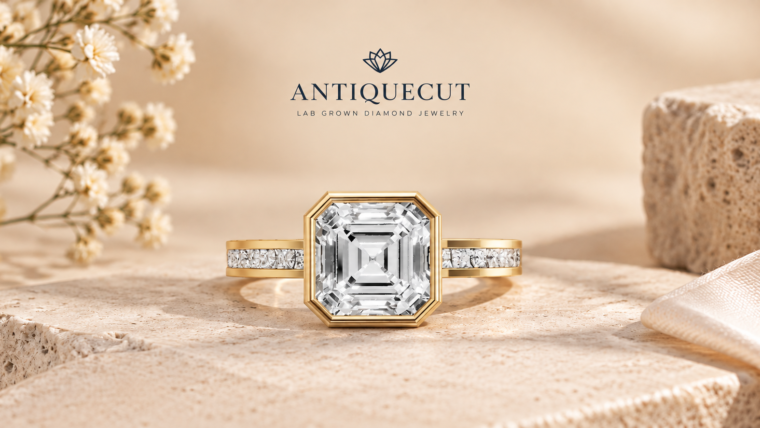
Choosing an engagement ring often comes down to finding a design that feels right for everyday wear. Bezel engagement rings offer a clean appearance by holding the diamond with a thin rim of metal around its outer edge. This design gives the center stone a defined outline while keeping the overall ring simple.
Among the different bezel designs available, the solitaire style is especially easy to wear. It places the main diamond at the center without adding a row of side stones or a large surrounding halo. The result is a ring that puts attention on the shape and size of the center stone.
For shoppers who prefer a neat setting with practical features, a bezel solitaire engagement ring can be worth considering. It can be made with different diamond shapes, precious metals, and stone sizes, allowing the ring to suit different personal preferences.
What Is a Bezel Setting?
A bezel setting holds a gemstone with a metal rim that surrounds its outer edge. Instead of using individual prongs to grip the diamond, the metal forms a border around the stone.
This construction changes the appearance of the ring and also gives the center stone a different level of coverage. The metal rim sits close to the diamond, creating a smooth transition between the stone and the setting.
Bezel settings can be used with several diamond shapes, including round, oval, pear, emerald, and marquise cuts. The shape of the bezel usually follows the outline of the center stone.
For someone who likes a ring with clean edges and fewer exposed components, this setting provides an interesting alternative to traditional prong designs.
Why Choose Bezel Engagement Rings?
There are several reasons shoppers consider bezel settings when choosing an engagement ring.
A Simple Appearance
A bezel setting has a straightforward structure. The center diamond remains the main feature, while the surrounding metal creates a defined frame.
This can be particularly appealing to people who do not want a ring with many additional stones or decorative details.
Added Stone Coverage
Because the metal surrounds the edge of the diamond, the setting covers more of the stone’s perimeter than an open prong setting.
This can make the design useful for people who want the center stone to have some protection around its edges. The exact level of protection depends on the design, metal thickness, stone shape, and craftsmanship.
Smooth Edges
The absence of traditional prongs can give a bezel ring a smooth profile. There are fewer raised components that can catch on clothing or other materials.
For people who wear their engagement ring frequently, this can be an important consideration.
Bezel Set Engagement Rings: Different Ways to Wear the Style
Not every bezel ring has the same appearance. Small changes in the band, center stone, and metal can create very different results.
A narrow band can make the center stone the main focus. A wider band can create a stronger visual presence. Some designs use polished metal, while others combine the bezel with pavé or other small details along the band.
The height of the setting also affects the final look. A lower profile can sit closer to the finger, while a raised design can give the center stone more visual separation from the band.
When comparing bezel set engagement rings, it helps to look at the entire construction rather than focusing only on the center diamond.
Choosing the Center Diamond
The center diamond has a major effect on the finished ring. A bezel setting can be paired with many different diamond shapes, so shoppers have room to choose a design that suits their preferences.
Round Diamond
A round diamond works naturally with a circular bezel. It creates a balanced shape and pairs well with both narrow and wider bands.
Oval Diamond
An oval center stone gives the ring a longer visual line. When placed in a bezel, the metal follows the stone’s curved outline.
Pear Diamond
A pear-shaped diamond introduces a pointed end to the design. The bezel follows this shape, giving the setting a distinct outline.
Emerald Cut
An emerald-cut diamond has straight edges and clipped corners. A bezel can emphasize these geometric lines and create a structured appearance.
The best shape depends on the wearer’s preference, finger proportions, and desired ring style.
Bezel Diamond Engagement Ring and Metal Choices
The metal surrounding the diamond also changes the character of the ring.
Yellow gold creates a warm contrast around a white diamond. It can make the bezel more noticeable and give the ring a traditional jewelry feel.
White gold provides a lighter visual frame around a colorless or near-colorless diamond. It works well for shoppers who prefer a neutral metal appearance.
Rose gold has a pink-toned color that creates a different contrast with the center stone. It can be paired with both traditional and less common diamond shapes.
The choice between metals should also consider durability, maintenance, personal taste, and how the ring will be worn with other jewelry.
Bezel Solitaire Engagement Ring vs. Prong Setting
The main difference between a bezel solitaire and a traditional prong solitaire is how the center diamond is held.
A prong setting uses several small metal claws positioned around the stone. This leaves more of the diamond exposed and allows light to enter from different directions.
A bezel setting uses a metal rim around the stone’s perimeter. This gives the ring a more enclosed appearance and creates a smooth outer edge.
Neither approach is automatically right for every shopper. The choice depends on how much of the diamond the wearer wants exposed, the preferred appearance, and practical considerations such as daily wear.
Unique Bezel Engagement Rings for Different Personal Styles
A bezel does not have to mean a basic ring. Designers can create variations by changing the band shape, stone orientation, metal combination, and setting details.
An east-west oval bezel, for example, places the longer side of the oval across the finger rather than from top to bottom. This changes the visual direction of the ring while keeping the bezel construction.
Another option is a bezel paired with a split shank or a textured band. Small design changes can give the ring a more individual character without adding a large number of decorative stones.
Those looking for unique bezel engagement rings can also consider unusual diamond shapes or mixed-metal combinations.
Lab Grown Bezel Engagement Ring Options
Lab-grown diamonds can also be used in bezel settings. A lab-grown diamond has the same crystal structure and chemical composition as a diamond formed naturally underground.
For shoppers comparing ring options, lab-grown stones can provide access to different carat weights and diamond shapes at varying price points. The same considerations used for any diamond should still be reviewed, including cut, color, clarity, measurements, and certification where applicable.
A lab grown bezel engagement ring can be designed as a simple solitaire or combined with additional details along the band.
Before purchasing, check the stone specifications and ring dimensions so the finished piece matches your expectations.
How to Choose the Right Bezel Ring
Start by deciding what type of center stone you prefer. Round and oval shapes create different proportions, while pear and emerald-cut diamonds bring their own distinctive outlines.
Next, consider the band width. A thin band can create a lighter visual appearance, while a wider band can give the ring a stronger presence.
The metal is another important choice. Think about the jewelry you already wear and whether you prefer yellow, white, or rose gold.
It is also useful to consider your daily routine. If you work with your hands frequently or prefer jewelry with smooth edges, the construction of a bezel setting may be worth examining closely.
Finally, check the dimensions of the ring rather than relying only on photographs. Measurements can help you understand how the bezel and center stone will sit on the finger.
Finding a Ring That Fits Your Style
A good engagement ring does not need to include numerous decorative details. For many shoppers, the appeal comes from a well-proportioned center stone, a comfortable band, and a setting that works with everyday clothing.
If you are comparing different designs, view collection of bezel engagement rings to see how stone shapes, metals, and band styles change the overall appearance.
Antiquecut offers ring designs for shoppers looking at different diamond shapes and setting styles, including bezel-inspired options that can be considered when narrowing down a final choice.
Caring for a Bezel Engagement Ring
Regular care can help keep an engagement ring looking its best. Remove the ring when working with harsh chemicals or performing activities that could expose it to unnecessary impact.
Clean the ring periodically using a suitable jewelry-cleaning method recommended for the metal and diamond. A soft brush can help reach areas around the setting, but avoid aggressive scrubbing.
It is also worth having the ring checked periodically by a professional. They can examine the setting, band, and center stone for signs of wear.
Because the bezel surrounds the edge of the diamond, cleaning around the metal rim is particularly important. Dirt can collect where the stone meets the setting.
Final Thoughts
A bezel solitaire engagement ring offers a straightforward way to highlight a center diamond while keeping the setting compact and defined. The surrounding metal creates a smooth border around the stone, while the solitaire format keeps attention on the center.
From round and oval diamonds to pear and emerald cuts, there are many ways to personalize the design. Metal choice, band width, stone orientation, and setting height can all change the finished appearance.
For shoppers who want an engagement ring that combines a simple structure with practical design considerations, exploring bezel settings can be a useful part of the selection process.