

Discover how a heart lab diamond ring can make a proposal personal and meaningful, with tips on settings, styles, proportions, and choosing the right ring.
If you are interested in exploring different designs, View Collection of heart lab diamond ring options to compare various styles and find a design that fits your proposal plans.
Why Heart-Shaped Diamonds Feel So Personal
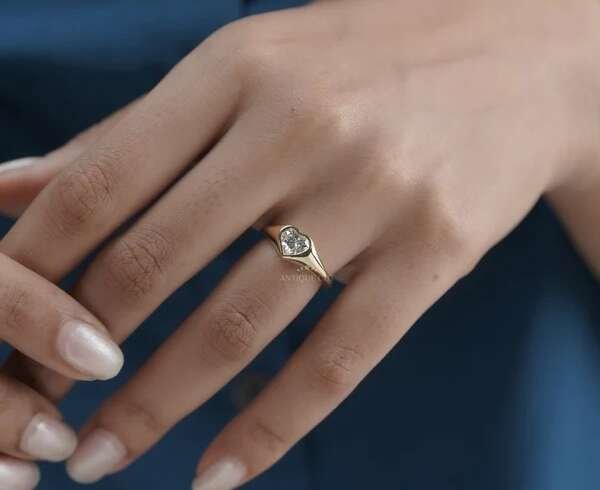
A heart lab diamond ring brings together the beauty of a recognizable diamond shape and the emotional meaning associated with a heart. For someone planning a romantic proposal, the heart shape can feel like a natural choice because its design immediately connects with love and affection. Unlike traditional round or oval diamonds, a heart-shaped stone has a distinctive outline that makes the ring easy to recognize.
Lab grown diamonds also give couples another option when selecting a diamond for an engagement ring. They have the same basic chemical composition and crystal structure as mined diamonds, while being created in a controlled laboratory environment. This allows shoppers to consider different sizes, qualities, and settings while working within their preferred budget.
For couples who want their engagement ring to carry a clear message, a heart-shaped diamond can make the proposal feel especially personal.
What Makes a Heart Lab Grown Diamond Different?
The heart cut is considered one of the fancy diamond shapes. Its design includes two rounded upper sections that meet at the center, followed by a point at the bottom. Getting the proportions right is important because the shape needs to look balanced from different angles.
A well-proportioned heart diamond can have a beautiful presence on the finger without needing an overly complicated setting. Its outline does much of the visual work on its own.
When comparing heart lab grown diamonds, pay attention to more than carat weight. The length-to-width ratio, symmetry, cut quality, color, and clarity can all influence how the stone looks.
Two diamonds with the same carat weight can appear quite different when their proportions or cutting quality differ. Taking time to compare these details can help you select a stone that suits the ring design and the person who will wear it.
Choosing the Right Heart Cut Engagement Ring
Selecting a heart cut engagement ring starts with understanding personal style. Some people prefer a simple solitaire where the center diamond remains the main focus. Others may like a halo setting, side stones, or a more detailed band.
A solitaire is a practical choice for someone who likes clean jewelry. The heart-shaped center stone becomes the main feature, while the band keeps the overall design uncomplicated.
A halo setting can create a fuller appearance around the center stone. Small diamonds are placed around the heart-shaped diamond, creating a frame that draws attention toward its distinctive shape.
Side stones provide another option. Diamonds placed along the band can add additional detail while keeping the center heart diamond as the focal point.
The metal color also changes the overall appearance of the ring. White gold or platinum can create a bright, clean look, while yellow gold adds warmth. Rose gold can give the ring a softer, romantic character.
Think About Her Everyday Jewelry
An engagement ring should not only look beautiful when it is first presented. It should also feel comfortable and natural as part of everyday jewelry.
Before choosing a setting, think about the jewelry she already wears. Does she usually choose yellow gold, white metals, or rose gold? Does she prefer simple bands or detailed designs? Does she wear rings every day?
These small observations can provide useful clues.
If she normally wears minimal jewelry, a simple heart-shaped solitaire may be a good match. If she enjoys layered rings and detailed pieces, a halo or side-stone design may fit her preferences better.
You can also consider how she might wear the engagement ring alongside a future wedding band. Certain settings leave more room for a wedding band to sit closely beside the engagement ring, while others may require a curved or specially fitted band.
Heart Shape Diamond Engagement Ring Styles to Consider
There are many ways to design a heart shape diamond engagement ring, so couples do not have to settle for one standard appearance.
Classic Solitaire
The solitaire remains one of the simplest choices. A single heart-shaped diamond sits above the band, allowing the distinctive stone shape to remain the center of attention.
This design works particularly well for someone who appreciates uncomplicated jewelry.
Halo Setting
A halo places smaller diamonds around the center stone. This can make the center appear larger and gives the ring additional detail.
A heart-shaped center stone with a carefully designed halo can create a strong focal point while maintaining the romantic theme.
Three-Stone Design
A three-stone ring combines the heart-shaped center diamond with two additional stones on either side. This arrangement can represent a relationship’s past, present, and future.
The side stones can be round, pear-shaped, or another complementary shape depending on the desired appearance.
Pavé Band
A pavé band features small diamonds set closely along the band. It adds detail without taking attention completely away from the center heart diamond.
This style can work well for someone who enjoys a little more detail in their jewelry.
The Importance of Symmetry
Symmetry deserves special attention when shopping for a heart-shaped diamond.
Because the heart shape is instantly recognizable, uneven proportions can be easier to notice. The two upper curves should have a balanced appearance, while the center cleft and bottom point should be clearly defined.
When reviewing a diamond, look closely at the outline rather than focusing only on the carat number. A smaller heart diamond with strong proportions may look more appealing than a heavier stone with an awkward shape.
The cut also affects how the diamond handles light. A good-quality cut can help the stone look lively under different lighting conditions.
How to Pick the Right Carat Size
Carat size is an important consideration, but it should not be the only deciding factor.
The finger size of the wearer, the ring setting, and the diamond’s proportions can all influence how large the stone appears.
For example, a heart diamond with a wider shape may have a different visual presence from a narrower heart diamond with the same carat weight.
If you are unsure about the ideal size, consider the jewelry she already owns. The size of her current rings can provide a useful reference.
Budget is another factor. Instead of spending most of the budget on carat weight, consider balancing carat size with cut, color, clarity, and setting quality.
Heart Shaped Engagement Rings for Different Personalities
Heart shaped engagement rings can be adapted to suit different tastes.
Someone who prefers traditional jewelry may appreciate a heart-shaped diamond in a classic solitaire setting. A person who enjoys detailed designs may prefer a halo or pavé band.
For someone who likes unusual jewelry, an east-west-inspired setting or a custom band could create a less expected appearance.
The key is to choose a design that feels connected to the wearer rather than simply following a popular style.
A proposal ring has personal meaning, so the best choice is often the one that reflects the recipient’s personality, daily style, and preferences.
Why Lab Grown Diamonds Are Worth Considering
Lab grown diamonds have become an option for people who want a diamond while exploring alternatives to traditionally mined stones.
Because lab grown diamonds are produced using advanced technological processes, shoppers can compare different specifications and price points. This can make it easier to prioritize the features that matter most to them.
For example, one buyer might prefer a larger center stone, while another may place greater importance on clarity or a particular setting.
Making the Proposal More Meaningful
The ring is only one part of the proposal. The setting, timing, and personal details can make the moment much more memorable.
Think about places that have meaning for your relationship. It could be where you first met, a favorite restaurant, a quiet outdoor location, or somewhere connected to an important memory.
You can also include small personal touches. A handwritten note, a favorite song, photographs, or a meaningful conversation before the proposal can make the experience feel more connected to your relationship.
The ring itself can become part of the story. Choosing a heart-shaped diamond gives you an easy way to connect the design with the meaning behind the proposal.
Finding a Ring That Feels Right
Brands such as Antiquecut offer shoppers an opportunity to explore lab grown diamond jewelry and different ring designs when considering a heart-shaped engagement ring.
Before making a purchase, review the diamond’s specifications, setting details, metal type, ring size options, and return or exchange policies. If the ring is being purchased as a surprise, make sure you have a reliable way to determine the correct ring size.
It is also worth taking time with the decision rather than choosing the first ring that catches your attention. Comparing several heart diamonds and settings can reveal differences that are not obvious at first glance.
Final Thoughts
A heart-shaped diamond naturally carries a strong connection to love, making it an appealing choice for a romantic proposal. When paired with a lab grown diamond, couples can explore a wide range of sizes, qualities, settings, and price points.
Whether you prefer a classic solitaire, a detailed halo, a three-stone design, or a personalized setting, the heart shape offers plenty of room to create a ring that feels personal.
The most important part is choosing a design that reflects the person you love. When the ring matches her style and the proposal reflects your shared story, the jewelry becomes more than a beautiful piece—it becomes part of a memory you will both carry forward.