

How Acne Develops: The Pathophysiology
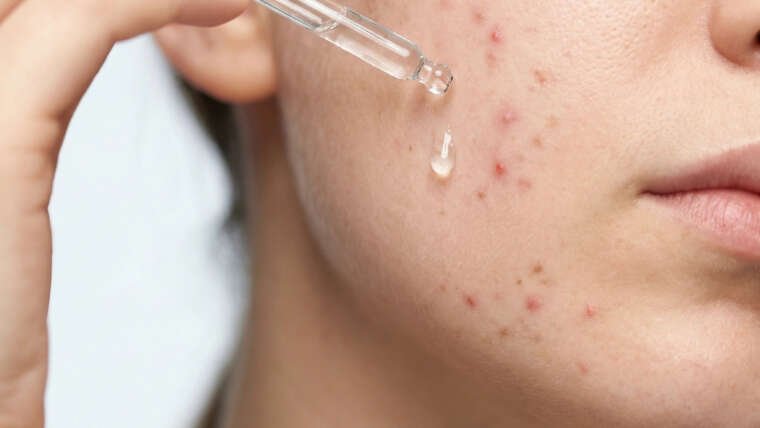
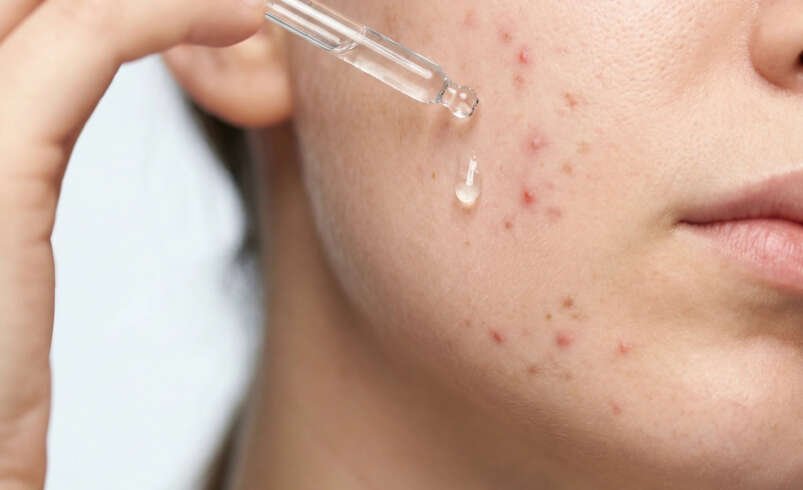
Every acne lesion originates deep within the pilosebaceous unit, which houses a hair follicle and its associated sebaceous gland. Under normal conditions, sebum flows up the follicle and onto the skin’s surface, providing natural moisture and protection. Acne develops when four interrelated processes occur:
- Androgen-driven sebum overproduction: Hormonal shifts stimulate the sebaceous glands to enlarge and secrete more oil than the skin needs.
- Follicular hyperkeratinization: Abnormal shedding of skin cells inside the follicle creates a sticky plug composed of keratin and sebum, forming a microcomedone—the precursor to all acne lesions.
- Cutibacterium acnes proliferation: This bacterium thrives in the oxygen-poor environment of a clogged pore, multiplying and triggering an immune response.
- Inflammation: The body’s reaction to trapped debris and bacteria results in redness, swelling, and the formation of papules, pustules, nodules, and cysts.
Because acne arises from this complex interplay, effective treatment rarely hinges on a single product. Instead, a multimodal regimen that targets each mechanism often yields the best results.
Classifying Acne: Comedonal, Inflammatory, and Nodulocystic
Identifying your primary acne type is critical for selecting appropriate therapy.
- Comedonal acne involves open comedones (blackheads) and closed comedones (whiteheads). It results primarily from follicular hyperkeratinization and thickened sebum rather than significant bacterial overgrowth.
- Inflammatory acne includes papules (small, red, tender bumps) and pustules (red bumps with a pus-filled center). The immune system is actively engaged.
- Nodulocystic acne is the most severe form, presenting as deep, painful nodules and cysts that are at high risk for permanent, atrophic scarring. This category often requires systemic treatment.
A board-certified provider will assess not just the lesion type but the severity grade—mild, moderate, or severe—when designing a treatment hierarchy.
Topical Treatments: The Scientific Foundation
For mild to moderate acne, topical agents remain the cornerstone of care. They work by unclogging pores, reducing bacteria, calming inflammation, or normalizing cell turnover.
Retinoids
Retinoids are vitamin A derivatives that correct follicular hyperkeratinization and accelerate epidermal cell turnover. Prescription tretinoin and over-the-counter adapalene 0.1% are the most widely studied. They prevent microcomedone formation, effectively interrupting the acne cycle at its origin. An initial adjustment period of mild dryness and peeling is expected and can be managed with a non-comedogenic moisturizer. A 2017 systematic review in the Journal of the American Academy of Dermatology confirmed that topical retinoids are a foundation of both monotherapy and combination regimens for acne vulgaris [1].
Benzoyl Peroxide
Benzoyl peroxide is a potent topical antimicrobial that rapidly kills C. acnes through the release of free-radical oxygen. Crucially, it does not induce microbial resistance, making it extremely useful when used alongside topical or oral antibiotics. Concentrations as low as 2.5% are effective and less irritating than higher strengths.
Salicylic Acid
As a beta-hydroxy acid, salicylic acid is lipophilic, enabling it to penetrate into pores and dissolve the desmosomal connections that bind dead cells together. It is especially beneficial for comedonal acne and blackheads.
Azelaic Acid
This naturally occurring dicarboxylic acid offers antibacterial, anti-inflammatory, and tyrosinase-inhibiting properties. It simultaneously treats active lesions and fades post-inflammatory hyperpigmentation, making it an excellent option for those prone to dark marks after a breakout.
Topical Antibiotics
Clindamycin and erythromycin reduce C. acnes populations. To lower the risk of antimicrobial resistance, guidelines recommend combining them with benzoyl peroxide and limiting use to short-term, active flare control.
Systemic Medications: When Topicals Are Not Enough
For moderate to severe cases, or when acne is deeply inflammatory and scarring, oral medications become essential.
- Oral Antibiotics: Tetracyclines—such as doxycycline and minocycline—exert both antibacterial and anti-inflammatory effects. Courses are generally limited to three to four months to avoid resistance and side effects, and they are almost always used alongside a topical retinoid and benzoyl peroxide.
- Hormonal Therapy: For women with a hormonal pattern (jawline, chin, cyclical flares), combined oral contraceptives and the anti-androgen spironolactone can markedly reduce sebum production. Spironolactone, in particular, is a well-tolerated option with a favorable safety profile.
- Isotretinoin: This oral retinoid is reserved for severe, recalcitrant nodulocystic acne or cases with significant scarring risk. It shrinks sebaceous glands and normalizes follicular keratinization. While isotretinoin frequently produces long-term remission, studies show that relapse rates may range from 5% to 40% depending on cumulative dose, age, and hormonal factors [2]. A second course or maintenance with topical agents may be needed for some patients. Strict monitoring, including monthly laboratory tests and pregnancy prevention, is mandatory throughout treatment.
In-Office Procedures: Accelerating Clearance and Addressing Scars
While daily medications calm the underlying disease, in-office treatments performed by trained medical professionals can dramatically shorten breakout duration, reduce inflammation, and correct the textural remnants of acne. At Enfield Royal Medspa in Melbourne, we offer a full suite of advanced modalities designed to complement your home care and deliver faster, more complete results.
Chemical Peels
Superficial chemical peels using salicylic acid, glycolic acid, or Jessner’s solution provide controlled exfoliation of the uppermost skin layers. Salicylic acid peels, in particular, are lipophilic and penetrate into sebaceous follicles, dissolving debris and reducing pore congestion. A series of peels spaced two to four weeks apart can significantly improve inflammatory and comedonal acne while also brightening post-inflammatory hyperpigmentation. Because Melbourne’s abundant sunshine demands rigorous sun protection, we customize each peel protocol to ensure safety and optimal results.
Laser and Light-Based Therapies
Blue light therapy targets porphyrins produced by C. acnes, generating reactive oxygen that destroys the bacteria without harming adjacent tissue. For patients with lingering red or brown marks, intense pulsed light (IPL) can accelerate the resolution of post-inflammatory erythema and hyperpigmentation. In cases where active breakouts coexist with scarring, fractional non-ablative lasers can deliver both antibacterial effects and collagen-stimulating benefits.
Extraction and Corticosteroid Injections
Manual extraction of stubborn comedones, performed by a skilled clinician, provides immediate relief and prevents the lesion from evolving into an inflamed papule. For a rapidly expanding, painful nodule, an intralesional corticosteroid injection flattens the lesion within 24 to 48 hours, greatly reducing the risk of a permanent depressed scar. This intervention is a cornerstone of scar prevention for our patients prone to nodulocystic flares.
Microneedling and Fractional Laser Resurfacing for Acne Scars
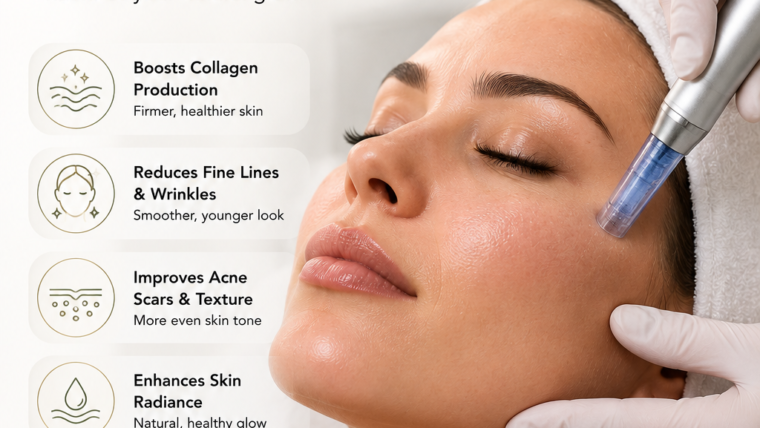
Once active acne is controlled, attention can shift to the atrophic scars that remain. Microneedling with or without radiofrequency creates microchannels in the dermis, triggering a wound-healing cascade that deposits new collagen and elastin. Fractional laser resurfacing further refines texture by ablating microscopic columns of damaged tissue while leaving surrounding skin intact. Multiple sessions are typically required, but the incremental improvement in skin smoothness is substantial.
Combining Therapies for Superior Outcomes
Our approach at Enfield Royal Medspa often layers these modalities. For example, a patient might receive a series of chemical peels during active breakout phases, then transition to microneedling or fractional laser once the skin is clear, all while continuing a tailored topical regimen. This integrated model addresses the entire acne timeline—prevention, active clearance, and scar rehabilitation.
Building a Supporting Skincare Routine
A proper daily regimen protects the investment you make in professional treatments. A minimalist, non-irritating framework includes:
- A gentle, pH-balanced cleanser morning and night.
- A treatment product targeting your primary acne mechanism (retinoid, benzoyl peroxide, or azelaic acid).
- A lightweight, oil-free, non-comedogenic moisturizer to maintain the skin barrier.
- A broad-spectrum SPF 30+ sunscreen—non-negotiable in Florida’s UV environment, especially with photosensitizing treatments.
Avoiding abrasive scrubs, astringent alcohol-based toners, and manipulative picking is just as critical as what you apply.
Lifestyle and Dietary Considerations
High-glycemic-load diets and certain dairy proteins, such as whey, have been associated with exacerbation of acne in some individuals, though the connection is not universal. A balanced, whole-food diet rich in antioxidants, zinc, and omega-3 fatty acids supports general skin health. Stress can elevate cortisol, which may worsen breakouts, so adequate sleep, regular physical activity, and stress-management techniques are beneficial adjuncts. In the humid Space Coast climate, showering promptly after sweating and wearing breathable fabrics help reduce follicular occlusion.
A Path Toward Confident Skin
Acne is a medical condition, not a reflection of your habits or worth. With the right combination of evidence-based topical agents, thoughtful systemic therapy when indicated, and expertly performed in-office procedures, clear, healthy skin is an achievable goal. If you are ready to move beyond frustration and toward a durable solution, the team at Enfield Royal Medspa in Melbourne, FL, is here to guide you. To schedule a private consultation and develop a personalized acne treatment plan, call our clinic at or visit our website to request an appointment. Let us help you reclaim the skin you deserve.