

Smartphones have become an essential part of daily life, allowing us to communicate, shop, bank, work, and access entertainment from anywhere. As Android devices continue to dominate the global smartphone market, they have also become attractive targets for cybercriminals. Protecting personal information is no longer optional—it is a necessity.
Android VPN security is one of the most effective ways to safeguard your online activities. A Virtual Private Network (VPN) encrypts your internet connection, helping protect sensitive data from hackers, especially when using public Wi-Fi networks. Whether you’re traveling, working remotely, or simply browsing at home, understanding VPN security can significantly improve your digital safety.
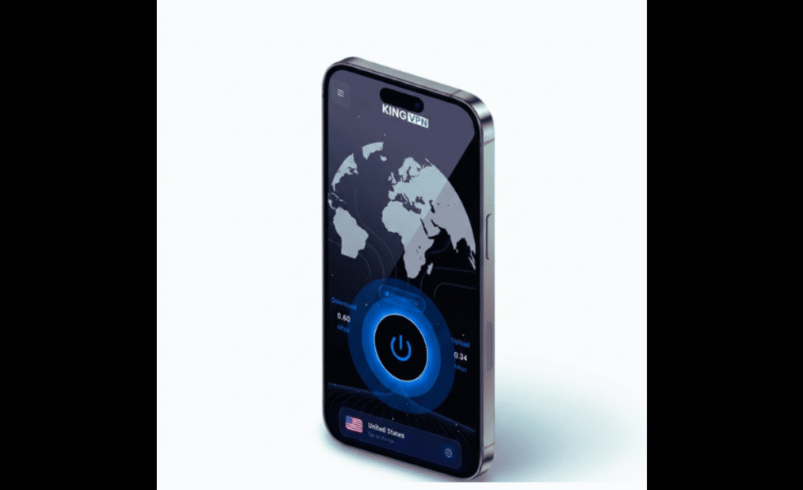
One reliable option for Android users is VPN KING, available on Google Play, offering an easy way to establish a secure connection with multiple global server locations.
Why Android Devices Need Extra Protection
Android offers flexibility and a vast ecosystem of applications, but users often install apps from multiple sources and connect to various networks throughout the day. These activities can expose personal information if proper security measures are not followed.
Common risks include:
- Unsecured public Wi-Fi
- Data interception
- Tracking by third parties
- Identity theft
- Phishing attacks
- Malicious applications
A VPN helps reduce these risks by creating an encrypted tunnel between your device and the internet.
Understanding Android VPN Security
A VPN encrypts internet traffic before it leaves your Android device. Instead of sending information directly across the internet, your data travels through a secure VPN server, making it much harder for unauthorized parties to intercept your information.
Benefits include:
- Secure browsing sessions
- Better protection on public Wi-Fi
- Reduced tracking
- Increased online privacy
- Safer remote work connections
While no security solution is perfect, using a VPN is considered one of the most practical steps users can take to strengthen their online security.
Public Wi-Fi: A Common Security Risk
Coffee shops, airports, hotels, and shopping malls frequently provide free Wi-Fi access. Although convenient, these networks often lack proper security controls.
Attackers may attempt to:
- Monitor network traffic
- Capture login credentials
- Redirect users to fake websites
- Steal personal information
Using a VPN encrypts your connection, helping reduce the risk of data interception while connected to public networks.
Features to Look for in an Android VPN
Not every VPN application offers the same level of functionality. Before choosing a VPN, consider features such as:
- Easy one-tap connection
- Multiple server locations
- Stable connection speeds
- User-friendly interface
- Regular updates
- Transparent privacy information
For users looking for a straightforward Android VPN solution, VPN KING provides one-tap connectivity and access to numerous global servers through its official Google Play.
Best Practices for Strong Android Security
A VPN works best when combined with good security habits.
Keep Android Updated
Security updates fix newly discovered vulnerabilities. Install updates as soon as they become available.
Download Apps Carefully
Only install applications from trusted sources and review permissions before granting access.
Enable Screen Protection
Use fingerprint authentication, facial recognition, or a strong PIN to secure your device.
Avoid Suspicious Links
Phishing remains one of the leading causes of compromised accounts. Verify links before opening them.
Use Strong Passwords
Create unique passwords for every important account and consider using a password manager.
Review App Permissions
Many apps request permissions that may not be necessary. Regularly review and remove unnecessary access.
Android VPN Security for Remote Work
Many professionals now work remotely using Android devices to access business emails, cloud storage, and collaboration platforms.
A VPN helps provide an additional layer of security by encrypting internet traffic, particularly when employees connect through hotel, airport, or café Wi-Fi networks.
Organizations often encourage remote workers to use VPN connections alongside other security practices such as multi-factor authentication and device management.
Choosing the Right VPN
When selecting a VPN, evaluate:
- Privacy practices
- Server availability
- Connection reliability
- Ease of use
- Android compatibility
- User reviews
- Update frequency
Reading the official app information helps users understand available features and compatibility.
If you’re looking to learn more about an Android VPN app, the official Google Play page provides detailed information about supported features, compatibility, and updates.
Common Misconceptions About VPNs
Several myths surround VPN technology.
Myth: A VPN makes you completely anonymous.
Reality: A VPN improves privacy but should be combined with safe browsing habits.
Myth: VPNs are only for technical users.
Reality: Modern Android VPN apps are designed for simplicity with one-tap connections.
Myth: VPNs are only useful on public Wi-Fi.
Reality: VPNs can provide additional privacy on many internet connections, depending on your needs.
Final Thoughts
Android devices store a significant amount of personal and professional information, making security more important than ever. Practicing good cybersecurity habits and using a trusted VPN solution can help reduce common online risks while improving privacy.
Whether you’re browsing at home, traveling internationally, or working remotely, Android VPN security should be part of your overall digital safety strategy. By combining regular software updates, responsible app installation, strong authentication, and VPN protection, users can enjoy a more secure online experience