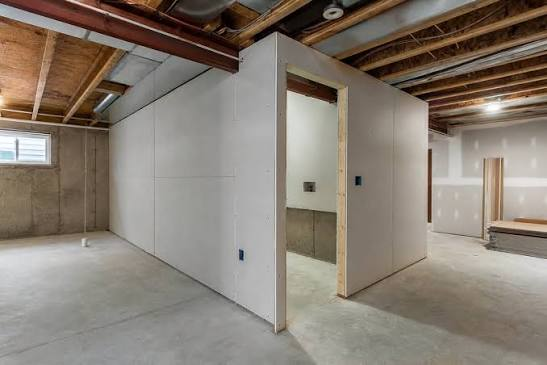

Basement walls play an important role in making an unfinished lower level feel like a comfortable extension of your home. Whether you are planning a family room, home office, entertainment space, or additional bedroom, choosing the right materials and installation approach matters. Searching for basement drywall service near me is often the first step homeowners take when they want professional guidance on transforming their basement. However, understanding drywall types, moisture protection, installation methods, and finishing options can help you make better decisions before starting the project. A properly planned basement can improve everyday comfort, create usable living space, and contribute to the overall appearance and functionality of your property.
Why Basement Drywall Requires Special Consideration
Basements have different environmental conditions compared to other rooms in a house. They are often exposed to higher humidity, limited ventilation, and occasional moisture concerns. These conditions make material selection especially important. Standard drywall may not be suitable for every basement environment, particularly in areas where moisture levels are difficult to control. Before installation, homeowners should consider the basement’s foundation, insulation, ventilation, and existing moisture conditions. Addressing these factors helps create a more suitable environment for finished walls. A professional contractor can assess the space, explain available materials, and recommend an installation approach based on the property’s specific requirements rather than relying on a one-size-fits-all solution.
Choosing the Right Drywall for Your Basement
Not all drywall products serve the same purpose. Regular drywall is commonly used in dry interior spaces, while moisture-resistant drywall is designed for areas that experience higher humidity. Mold-resistant options may also be worth considering, depending on the basement’s conditions. However, these products are not waterproof, so they should never be treated as a substitute for proper moisture management. Homeowners should also consider drywall thickness, sound insulation, fire-rated materials, and the intended use of each room. For example, a basement home theater may benefit from additional sound control, while a utility area may require different material specifications. Selecting appropriate products before construction can help prevent unnecessary expenses and improve long-term performance.
Important Steps Before Installing Basement Walls
Preparation is one of the most important parts of a successful basement finishing project. Before drywall installation begins, the foundation should be evaluated for signs of water intrusion, condensation, and excessive humidity. Any underlying moisture concerns should be addressed first. The next step involves planning wall framing, insulation, electrical access, and ventilation. These elements should work together to support a comfortable indoor environment. Homeowners researching basement drywall service near me should ask contractors how they prepare basement walls before installation. A knowledgeable professional should explain the materials being used, the expected installation process, and how the project will accommodate existing plumbing, wiring, windows, and other structural features.
Understanding Professional Installation and Finishing
Professional drywall installation involves much more than attaching panels to wooden or metal framing. Accurate measurements, proper panel placement, secure fastening, and carefully finished joints all contribute to the final appearance. After installation, contractors typically apply joint compound and tape to cover seams, followed by sanding and additional finishing as needed. The goal is to create a smooth, consistent surface that is ready for primer and paint. AGP Drywall focuses on the importance of quality workmanship and appropriate project planning when homeowners consider finishing their interior spaces. Paying attention to corners, ceiling transitions, openings, and surface consistency can make a noticeable difference in the finished basement.
How to Find a Qualified Local Contractor
Choosing a contractor requires more consideration than simply comparing the lowest estimates. Homeowners should review previous projects, verify relevant experience, ask about insurance, and request a detailed written estimate. It is also useful to discuss project timelines, material costs, cleanup procedures, and what is included in the quoted price. When comparing options for basement drywall service near me, look for professionals who understand the specific challenges of below-grade construction. Ask whether their recommendations account for humidity, insulation, ventilation, and building requirements. AGP Drywall Services understands that clear communication and careful planning are essential parts of a successful project. A dependable contractor should be willing to explain the work before construction begins.
Frequently Asked Questions About Basement Drywall
Q1. What type of drywall is best for basement walls?
Ans. Moisture-resistant or mold-resistant drywall may be suitable for certain basement areas. The right choice depends on humidity levels, room usage, and existing moisture conditions.
Q2. Can regular drywall be installed in a basement?
Ans. Yes, regular drywall can be appropriate in dry, properly conditioned basement spaces. However, moisture exposure should be evaluated before choosing materials.
Q3. How long does basement drywall installation take?
Ans. The timeline depends on basement size, wall conditions, framing requirements, and finishing details. Smaller projects may take several days, while larger renovations can take longer.
Q4. Should basement walls be insulated before drywall installation?
Ans. Insulation is often beneficial because it helps regulate indoor temperatures and improve comfort. The insulation system should be selected according to local building requirements and moisture conditions.
Q5. How do I choose the right contractor for my basement project?
Ans. Review previous work, confirm insurance, compare written estimates, and ask detailed questions about materials, preparation, installation, and project timelines.
Create a More Functional and Comfortable Basement
A well-planned basement can provide valuable additional living space while improving the overall functionality of your home. The key is to make informed decisions about moisture management, drywall materials, insulation, installation techniques, and professional workmanship. Before moving forward, take time to evaluate your basement’s existing conditions and understand what the project requires. If you are researching basement drywall service near me, prioritize contractors who provide clear recommendations and understand below-grade construction. AGP Drywall can be included in your search when exploring professional drywall solutions for your home. With suitable materials, proper preparation, and attention to detail, your basement can become a more attractive, practical, and comfortable part of your property.