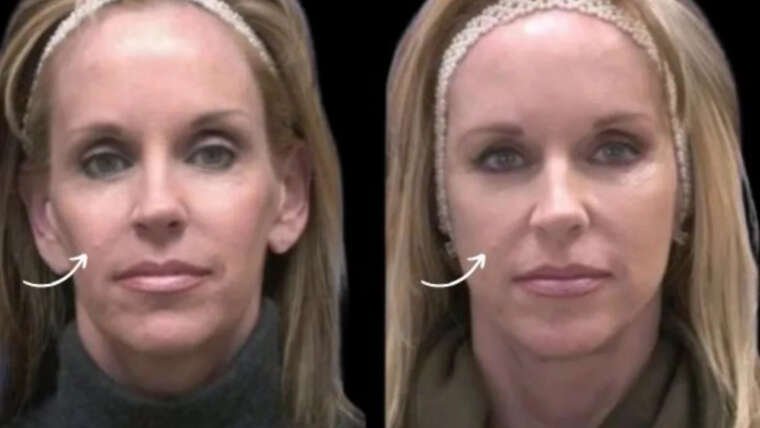
Facial anatomy plays an important role in aesthetic treatment planning because every individual has a different bone structure, fat distribution, skin thickness, muscle movement, and collagen level. These differences influence how facial aging develops and how treatments may support a natural-looking appearance. When considering Sculptra, understanding individual anatomy is particularly important because the treatment works gradually by stimulating the body’s collagen production rather than providing immediate volume in the same way as some traditional fillers.
Best Doctors in Dubai discussions increasingly emphasize personalized assessments, realistic expectations, and careful consideration of facial proportions before recommending collagen-stimulating treatments. For individuals exploring sculptra in dubai, an anatomical assessment can help determine whether the treatment aligns with their concerns, skin condition, and aesthetic goals.
At Perfect Doctors Clinic, Dr Perfect Celebrity can discuss how individual facial characteristics influence treatment planning, expected outcomes, and follow-up requirements. A personalized consultation should also explain the limitations of Sculptra, possible side effects, and alternative approaches when another treatment may be more appropriate.
Understanding Facial Anatomy Before Sculptra Treatment
Facial anatomy includes several interconnected structures that contribute to appearance and support. These structures change at different rates, meaning two people of the same age may have noticeably different facial contours and skin quality.
A comprehensive assessment considers the face as a whole rather than focusing exclusively on one wrinkle or area of volume loss.
Bone Structure and Facial Proportions
The cheekbones, jawbone, chin, and other skeletal structures provide the foundation for facial contours. Differences in bone projection influence how soft tissue sits across the face and how light and shadow define individual features.
Someone with prominent cheekbones may have different aesthetic priorities from someone with a flatter midface or a naturally narrow jawline. These variations can affect the treatment plan and the degree of correction that is realistic.
Sculptra fillers does not change the underlying bone structure. Instead, it stimulates collagen production in treated tissues, which may gradually improve selected aspects of volume and skin quality. Understanding this distinction helps patients avoid expecting a collagen-stimulating injectable to create structural changes that require a different approach.
Facial Fat Distribution and Volume Changes
Facial fat is distributed across different compartments, including the cheeks and temples. Age, genetics, weight changes, and other individual factors can influence the amount and position of this tissue.
Some people develop hollow-looking temples, while others notice reduced cheek fullness or changes around the lower face. These differences mean that identical treatment plans are unlikely to suit everyone.
A discussion about sculptra face treatment should therefore consider the location and cause of volume changes. A qualified medical professional can assess whether collagen stimulation is suitable or whether another treatment, a combination of approaches, or no injectable treatment would better address the concern.
Skin Thickness, Elasticity, and Collagen
Skin thickness and elasticity also vary across the face. Thicker skin may conceal certain underlying contours, while thinner skin can make changes in support and texture more noticeable.
Collagen provides structural support to the skin, and its production gradually changes with age. Sun exposure, smoking, environmental stressors, and individual biology may also affect skin quality.
sculptra dermal filler is commonly discussed as a collagen-stimulating injectable containing poly-L-lactic acid (PLLA). Rather than acting solely as an immediate volumizing substance, it encourages a gradual tissue response that can support collagen formation over time.
The degree of improvement varies between individuals. Existing skin condition, anatomy, treatment technique, and biological response all influence the outcome.
How Sculptra Works With Individual Facial Anatomy
Sculptra treatment requires an understanding of how the product interacts with soft tissue and how gradual collagen development may affect facial appearance.
Collagen Stimulation and Gradual Results
Sculptra is designed to stimulate collagen production after injection. Following treatment, the initial appearance may be influenced by temporary swelling and the liquid used to prepare the product. This early fullness should not be confused with the final result.
As the temporary effects settle, collagen development occurs progressively. Visible changes may take several weeks or months, and a series of sessions may be recommended depending on the individual’s needs and response.
The treatment is not an instant replacement for lost tissue, and it cannot guarantee a particular degree of lift or fullness. A responsible consultation explains the expected timeline and the possibility that the results may be more subtle than anticipated.
Why Treatment Areas Require Different Approaches
The forehead, temples, cheeks, jawline, and neck have different anatomical characteristics. Skin thickness, underlying vessels, muscles, fat compartments, and tissue movement vary by location.
Consequently, treatment suitability and injection technique must be assessed for each area. Sculptra is not appropriate for every facial region, and it should not be injected indiscriminately into delicate or high-risk anatomical locations.
Patients researching sculptra injections should ask about the intended treatment area, the reason for selecting Sculptra, the practitioner’s qualifications, and the risks associated with the proposed technique.
Assessing the Cheeks and Midface
The cheeks are a common focus of collagen-stimulating treatment because midface volume and skin support can influence the appearance of the entire face.
Sculptra for Cheek Fullness
Cheek anatomy includes underlying bone, fat compartments, retaining structures, and skin. Changes in these components can contribute to flattening, hollowing, or less-defined transitions between the lower eyelid and cheek.
sculptra cheeks treatment may be considered when gradual improvement in selected areas of volume loss is appropriate. However, the treatment is not a universal solution for every cheek concern.
An assessment should establish whether the main issue relates to volume, skin texture, skeletal structure, or a combination of factors. Patients seeking a sharply defined contour or an immediate, highly controlled change may need to discuss alternatives.
Maintaining Natural Facial Balance
Facial harmony depends on the relationship between the cheeks, temples, chin, jawline, and other features. Increasing fullness in one area without considering the rest of the face can create an unbalanced appearance.
A personalized plan considers:
- Existing cheek projection and facial width.
- Differences between the left and right sides.
- Skin quality and tissue thickness.
- The patient’s preferred degree of change.
- Previous filler treatments and their remaining effects.
The objective should be a proportionate result rather than maximum fullness. Treatment should remain conservative when the likely benefit is uncertain.
Sculptra for the Neck and Other Areas
Facial anatomy assessment extends beyond the cheeks. The neck, temples, and lower face may show different patterns of skin change, and each requires an appropriate evaluation.
Considering Sculptra for the Neck
Neck skin is different from cheek skin in thickness, movement, and supporting structures. Fine lines, crepiness, laxity, and horizontal neck lines may have different underlying causes.
sculptra for neck concerns should be assessed carefully because treatment suitability depends on the exact area and the product’s approved or accepted use in the relevant jurisdiction. Sculptra is not suitable for every neck concern, and it should not be assumed to correct significant loose skin or prominent muscle bands.
A consultation should compare the potential benefits with other options, including non-injectable treatments and approaches that may better address substantial skin laxity.
Understanding Lower-Face Changes
The chin and jawline influence facial proportions, but their appearance is affected by bone structure, soft tissue, muscle activity, and skin quality.
Sculptra may be discussed in the context of selected collagen-related concerns, but it does not reshape bone or provide the same immediate contouring effect as every other injectable. Careful assessment helps establish whether the patient’s goals are realistic.
Understanding Body Anatomy and Sculptra Applications
Although facial anatomy is the primary focus of this discussion, patients may also ask about collagen-stimulating treatments for body contour concerns. The same principle applies: anatomy, tissue thickness, treatment evidence, and product suitability must be considered separately for each area.
Sculptra for Buttocks and Hip Dips
sculptra for buttocks is sometimes considered by adults seeking gradual improvement in selected body contours. However, buttock anatomy differs substantially from facial anatomy, and treatment requires a separate safety and suitability assessment.
People exploring buttocks sculptra or a sculptra filler for buttocks may be hoping to improve contour irregularities or achieve a fuller appearance. Results depend on individual tissue characteristics, the treatment plan, and the body’s collagen response. Sculptra cannot guarantee a particular increase in size or reproduce the effects of surgical augmentation.
A discussion of sculptra buttock injections should address the intended treatment area, evidence supporting the proposed use, potential complications, the practitioner’s relevant training, and alternatives. Patients should also understand that body applications may be outside the product’s approved indications in some jurisdictions.
Sculptra for Hip Dips
Hip dips are natural inward curves along the sides of the hips. Their appearance is influenced largely by pelvic anatomy, the position of the femur, and the distribution of surrounding fat and muscle.
sculptra for hip dips may be discussed as an option for selected individuals seeking a gradual contour change, where appropriate. Nevertheless, collagen stimulation cannot change the shape of the pelvis or eliminate every anatomical indentation.
A responsible consultation should explain what improvement is realistic, how many sessions might be considered, and why some people may not be suitable candidates.
Factors That Influence Sculptra Treatment Planning
A personalized assessment should consider more than age or a single visible concern. Individual health, treatment history, anatomy, and expectations all influence the decision.
Medical History and Treatment Suitability
Before recommending sculptra in dubai, a qualified medical professional should review relevant health information and determine whether the treatment is appropriate.
Important considerations include:
- Previous dermal fillers, implants, or aesthetic procedures.
- Allergies and any history of reactions to injectable products.
- Current medicines and supplements that may affect bruising or healing.
- Active skin infections or inflammation near the proposed injection site.
- Relevant medical conditions and individual risk factors.
- Pregnancy or breastfeeding, when treatment should generally be postponed because of insufficient safety information.
Patients should provide accurate information and ask questions whenever the potential risks or suitability remain unclear.
Setting Realistic Expectations
Sculptra is a gradual treatment, and outcomes differ from person to person. The treatment may support improvements in selected areas, but it does not stop aging, replace every lost tissue compartment, or guarantee symmetrical results.
Before proceeding, patients should understand the expected timeline, possible need for multiple sessions, duration of benefit, cost, and limitations. It is also reasonable to decide against treatment or postpone it.
Choosing Sculptra Care in Dubai
People researching Best Doctors in Dubai often want to understand how to evaluate a provider’s qualifications and approach to personalized care. Rather than relying exclusively on promotional language, patients should look for clear communication, appropriate clinical training, and transparent treatment planning.
What to Discuss During a Consultation with Sculptra Doctors in Dubai
At Perfect Doctors Clinic, patients can use a consultation to discuss their concerns and ask how facial anatomy influences the proposed plan. Dr Perfect Celebrity can explain the treatment rationale, anticipated progression, relevant risks, and available alternatives.
Useful questions include:
- Why is Sculptra being considered for my particular anatomy?
- What changes are realistic for my skin and facial structure?
- What are the risks for the proposed treatment area?
- How will the product, treatment details, and follow-up be documented?
- What should I do if a delayed reaction develops?
- What alternatives are available if Sculptra is unsuitable?
The phrase Sculptra Doctors in Dubai is often used when researching providers, but patients should verify the practitioner’s medical registration, relevant experience, and training rather than relying on a search phrase alone.
Similarly, terms such as Celebrity Clinic in Dubai and Celebrity Doctor In Dubai may appear in online searches. These labels do not independently establish clinical quality. Qualifications, transparent advice, and patient safety remain more meaningful criteria.
Understanding Sculptra Cost and Price
The sculptra cost and sculptra price may vary according to the treatment area, product quantity, number of sessions, consultation requirements, and follow-up arrangements.
Patients should request an itemized estimate that explains what is included. A low advertised price does not necessarily indicate better value if it excludes necessary reviews or clear aftercare guidance.
The cost of treatment should be considered alongside product authenticity, practitioner qualifications, safety standards, and the suitability of the proposed plan. No patient should feel pressured to purchase additional sessions before the initial response has been appropriately assessed.
Safety, Recovery, and Follow-Up
Sculptra is an injectable treatment, so it carries potential risks even when performed by a qualified professional. Understanding aftercare and knowing when to seek advice are essential parts of responsible treatment.
Possible Side Effects
Common temporary effects may include redness, swelling, tenderness, bruising, and discomfort around injection sites. Some patients may develop persistent lumps or nodules, and inflammatory reactions can occasionally occur later.
Rare but serious injection-related complications can include vascular injury. Severe or increasing pain, unusual skin discoloration, changes in vision, or other sudden concerning symptoms require urgent medical assessment.
Patients should receive written instructions explaining expected recovery, appropriate follow-up, and whom to contact if symptoms develop.
Aftercare and Ongoing Assessment
Aftercare instructions depend on the treatment plan and the treating professional’s guidance. Patients should follow the specific directions they receive regarding massage, activity, and skin care rather than applying a universal routine to every treatment area.
Follow-up appointments allow the practitioner to assess the response after initial swelling has settled and collagen development has progressed. Additional treatment should be considered only when clinically appropriate.
Dubai’s intense sunlight, heat, and outdoor conditions also make sensible skin protection important for overall skin health. Sun protection can help reduce additional environmental skin damage, although it does not guarantee or directly determine the result of Sculptra.
Conclusion
Facial anatomy differences are central to responsible Sculptra planning. Bone structure, fat distribution, skin thickness, elasticity, and collagen levels all influence the appearance of aging and the suitability of collagen-stimulating treatment. A personalized assessment can help distinguish concerns that may respond to Sculptra from those that require a different approach.
For individuals exploring Best Doctors in Dubai, careful evaluation should include practitioner qualifications, transparent discussions about risks, realistic expectations, and a clear follow-up plan. At Perfect Doctors Clinic, Dr Perfect Celebrity can discuss individual goals and whether Sculptra is an appropriate option.
Whether the concern involves sculptra face, cheek fullness, neck skin, or selected body contour irregularities, informed decision-making should take priority over promises of dramatic or guaranteed results. Understanding the benefits and limitations of treatment helps patients make choices that are appropriate for their anatomy and overall well-being.
Frequently Asked Questions
1. Why is facial anatomy important before Sculptra treatment?
Facial anatomy determines how bone, fat, muscles, and skin contribute to facial contours. Assessing these structures helps establish whether Sculptra is suitable and what degree of improvement may be realistic.
2. How does Sculptra differ from traditional dermal fillers?
Sculptra stimulates collagen production gradually, whereas many hyaluronic acid fillers provide more immediate volume. The treatments have different properties, indications, risks, and expected timelines.
3. How long does it take to see Sculptra results?
Changes generally develop over several weeks to months as collagen production progresses. The timeline varies, and initial swelling should not be mistaken for the final outcome.
4. Can Sculptra improve cheek volume?
Sculptra may help improve selected areas of cheek volume loss in appropriate candidates. Suitability depends on facial structure, tissue condition, treatment goals, and the practitioner’s assessment.
5. Is Sculptra suitable for every face shape?
No. Different face shapes and tissue characteristics require individualized evaluation. Some concerns may respond better to other treatments or may not require injectable treatment.
6. Can Sculptra be used for neck concerns?
Suitability depends on the specific neck concern and the product’s approved or accepted use. Sculptra should not be assumed to correct significant loose skin, prominent muscle bands, or every type of neck line.
7. Can Sculptra treat hip dips or improve buttock contours?
Selected body contour concerns may be discussed with a qualified medical professional, but results are variable and cannot be guaranteed. Patients should ask about evidence, product indications, risks, and alternatives before considering treatment.
8. What factors influence Sculptra cost in Dubai?
Cost may depend on the treatment area, product quantity, number of sessions, practitioner fees, and follow-up arrangements. Patients should request a clear estimate and understand what the quoted price includes.
9. What side effects can occur after Sculptra injections?
Temporary swelling, redness, bruising, tenderness, and discomfort may occur. Lumps, nodules, delayed inflammatory reactions, and rare serious injection complications are also possible. Concerning symptoms require prompt medical assessment.
10. How can patients evaluate Sculptra providers in Dubai?
Patients should verify medical registration, relevant training, experience with the proposed treatment area, product traceability, and the quality of the consultation. A responsible provider explains risks, alternatives, realistic outcomes, and follow-up requirements without pressuring patients to proceed.