
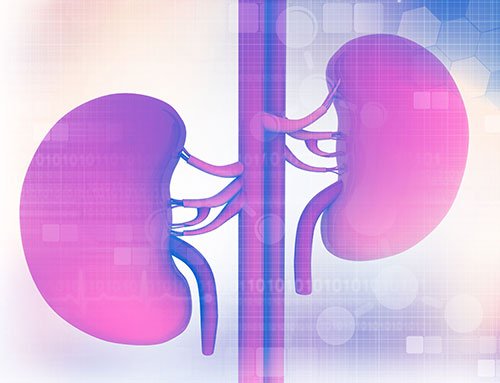

Kidney stones are a common urinary health problem that can cause anything from mild discomfort to severe, colicky pain. Diet, hydration, daily habits, and certain health conditions can influence the risk of developing kidney stones. With changing food habits, busy lifestyles, rising obesity, and inadequate water intake, understanding these risk factors is increasingly important.
What Are Kidney Stones?
Kidney stones are hard deposits formed when certain substances in urine become highly concentrated and form crystals. These crystals can gradually combine and grow into stones. A stone may remain in the kidney without causing symptoms, or it may move into the ureter and cause intense pain.
Common symptoms include:
- Sharp or severe pain in the back, side, or abdomen
- Pain that may radiate toward the groin
- Burning or discomfort while urinating
- Blood in the urine
- Nausea and vomiting
- Frequent or interrupted urination
Can Indian Diet Increase the Risk of Kidney Stones?
Diet does not automatically cause kidney stones, but certain dietary patterns may increase the risk, particularly in people who are already prone to stone formation.
1. High Salt Intake
Many Indian meals can contain significant amounts of salt, especially pickles, papad, packaged snacks, processed foods, and restaurant meals. Excessive sodium intake can increase calcium excretion in urine, potentially contributing to some types of kidney stones.
2. Not Drinking Enough Water
Hot weather and inadequate fluid intake can make urine more concentrated. This can increase urinary supersaturation and encourage crystal formation. Staying adequately hydrated is one of the most important lifestyle measures for reducing kidney stone risk.
3. High Intake of Refined Foods
Frequent consumption of refined carbohydrates and highly processed foods may contribute to metabolic changes associated with stone risk. A balanced diet containing vegetables, fruits, whole grains, and appropriate protein is generally preferable.
4. Too Few Fruits and Vegetables
Fruits and vegetables provide important nutrients and can contribute to urinary citrate levels. Low intake may create conditions that are more favorable for certain types of stone formation.
5. Lifestyle and Weight
Obesity, diabetes, and hypertension have been associated with kidney stone disease. Sedentary habits combined with an unbalanced diet may therefore contribute indirectly to increased risk.
How Can You Reduce Your Risk?
Simple lifestyle changes can help:
- Drink enough fluids throughout the day.
- Aim for adequate urine output as advised by your healthcare professional.
- Eat a balanced diet with plenty of fruits and vegetables.
- Limit excessive salt and highly processed foods.
- Maintain a healthy weight.
- Follow personalized dietary advice if you have recurrent stones.
- Seek medical evaluation if you experience recurring symptoms.
For people with recurrent kidney stones, doctors may recommend metabolic evaluation, including blood tests and, in selected cases, a 24-hour urine analysis. Identifying the underlying risk factors can help guide prevention.
Frequently Asked Questions:
1. Does Indian food cause kidney stones?
Indian food itself does not directly cause kidney stones. However, diets high in salt, processed foods, or certain dietary components, combined with inadequate hydration, may increase risk in susceptible individuals.
2. How much water should a kidney stone patient drink?
Fluid requirements vary from person to person. For many stone-formers, doctors recommend sufficient fluid intake to achieve a urine output of around 2.5–3 liters per day, unless there is a medical reason to restrict fluids.
3. Can kidney stones come back?
Yes. Kidney stones can recur, particularly when the underlying dietary, metabolic, or lifestyle factors are not addressed. People with recurrent stones may benefit from a metabolic evaluation.
4. When should I see a doctor for kidney stones?
Seek medical attention for severe or persistent pain, blood in the urine, vomiting, fever, difficulty urinating, or recurring symptoms. A urologist can determine the appropriate investigation and treatment.
Kidney stones are influenced by several factors, including hydration, diet, lifestyle, genetics, and individual metabolic conditions. For people in India, paying attention to water intake, salt consumption, balanced nutrition, and maintaining a healthy lifestyle can be an important part of prevention. If kidney stones keep recurring, professional evaluation can help identify the cause and create a suitable prevention plan.