

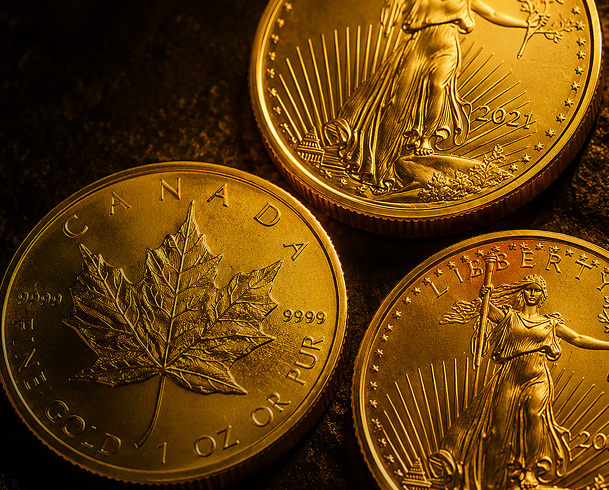

Coin collecting brings together history, craftsmanship, precious metals, and personal interest in a way few hobbies can match. Some people begin with a handful of old U.S. coins, while others build collections around gold, silver, rare dates, or specific historical periods. Naples, Florida, offers opportunities for collectors and precious-metals enthusiasts to explore these markets locally. Whether you are looking to buy collectible coins, sell an inherited collection, purchase bullion, or simply understand what an old coin might be worth, choosing an experienced dealer and learning the basics of coin valuation can make the process much easier.
Finding Coin Dealers in Naples Florida
When researching coin dealers in Naples Florida, it is important to consider more than convenience or proximity. A reputable dealer should have knowledge of numismatics, precious metals, grading, authentication, and current market conditions. This experience can be especially useful when a collection includes coins with different levels of rarity and value.
A professional coin dealer may work with a wide range of products, including:
- Rare and collectible U.S. coins
- Gold and silver bullion
- Older silver coins
- Foreign coins
- Proof and mint sets
- Estate collections
- Gold and silver jewelry
- Medals and other numismatic items
The right dealer can help you understand the difference between a coin’s face value, precious-metal value, and collector value. This distinction is particularly important when dealing with older coins.
What Services Does a Coin Dealer Provide?
A coin dealer can do much more than simply buy and sell coins. Many dealers provide services designed to help customers understand what they own.
For example, someone who inherits a collection may have no idea which pieces are ordinary and which might be valuable. A knowledgeable dealer can examine dates, mint marks, condition, composition, and other characteristics.
Common services may include:
Buying coins: Dealers purchase individual coins and complete collections based on market demand, rarity, condition, and precious-metal content.
Selling coins: Customers can find collectible coins, bullion, and other numismatic products through local dealers.
Collection evaluations: A professional examination can help determine the potential market value of an assortment of coins.
Precious-metal purchasing: Many dealers also buy gold, silver, platinum, and jewelry.
The specific services available vary from one business to another, so asking questions before visiting is always worthwhile.
Buying Gold and Silver Coins
Gold and silver coins are among the most popular products available through coin dealers. They appeal to both collectors and people interested in physical precious metals.
Gold bullion coins generally derive much of their value from their gold content, although recognizable coins can carry premiums based on production, demand, and market conditions.
Silver coins are available in numerous forms, including government-minted bullion, older U.S. silver coins, collectible pieces, rounds, and bars.
Before buying, pay attention to:
- Weight
- Purity
- Current precious-metal prices
- Dealer premium
- Condition
- Authenticity
- Potential collector value
Understanding these factors helps prevent buyers from comparing products solely by their advertised price.
Understanding Coin Value
Determining the value of a coin is not always straightforward. Two coins with the same denomination can have completely different market values.
Several characteristics can influence value:
Rarity
Coins with limited availability may attract stronger collector demand. However, rarity should always be verified because age alone does not automatically make a coin rare.
Condition
A coin with sharp details and minimal wear can be worth more than a heavily circulated example of the same type.
Date and Mint Mark
Certain dates and mint locations produced fewer coins than others. This can make particular combinations more desirable to collectors.
Metal Content
Gold and silver coins may have an underlying precious-metal value that changes with market prices.
Collector Demand
Even a scarce coin may not command a high premium if few collectors are interested in it. Market demand plays an important role in determining actual selling prices.
Selling an Old Coin Collection in Naples
Selling a collection can feel complicated, especially when the owner has accumulated coins over many years. The first step should be organizing the collection rather than immediately accepting an offer.
Separate coins into broad categories such as gold, silver, modern coins, older U.S. coins, foreign coins, and potentially rare pieces.
Keep original packaging, certificates, receipts, or previous appraisals whenever possible. These documents may provide useful information about the collection.
Most importantly, do not clean old coins before having them evaluated. Polishing or chemical cleaning can damage the original surface and potentially reduce numismatic value.
For a large collection, getting an independent opinion or comparing multiple offers may provide additional confidence.
Coin Collecting for Beginners
Starting a coin collection does not require a huge budget. The best approach is to choose a subject that genuinely interests you.
Some beginners collect:
- U.S. coins from a specific century
- Silver coins
- Gold bullion
- Coins featuring historical figures
- Foreign coins
- Error coins
- Commemorative issues
- Coins from a particular mint
Once you choose a focus, learn the terminology associated with it. Understanding words such as “uncirculated,” “proof,” “mint mark,” “grade,” “bullion,” and “numismatic” can make research much easier.
Keeping a simple inventory is another good habit. Record the date, denomination, condition, purchase price, and other relevant information for each important piece.
Why Condition Matters So Much
Condition can have a dramatic effect on collectible coin prices. Professional grading systems are used to describe a coin’s preservation and characteristics.
A heavily circulated coin may show significant wear on the date, lettering, and design details. A higher-grade example may retain much sharper features.
However, beginners should not assume that every coin needs professional grading. Grading services can be useful for valuable or potentially rare coins, but the cost may not make sense for common pieces.
Learning basic grading concepts can help you identify which coins may deserve further examination.
Avoiding Common Coin-Buying Mistakes
New collectors sometimes make decisions based on excitement rather than research. A dealer’s claim that a coin is “extremely rare” should not replace independent research.
Avoid these common mistakes:
- Buying solely because a coin is old
- Ignoring condition
- Paying a large premium without researching comparable prices
- Assuming every unusual-looking coin is an error
- Cleaning coins before evaluation
- Failing to ask about authenticity
- Selling an entire collection without separating potentially valuable pieces
A few minutes of research can prevent expensive mistakes.
Choosing a Reputable Naples Coin Dealer
Trust is one of the most important factors when choosing a dealer. Look for a business that communicates clearly and provides understandable explanations about pricing and valuation.
A good dealer should be comfortable discussing why a particular coin is worth a certain amount. When selling, you should be able to understand whether an offer is based primarily on bullion value, collectible value, or a combination of both.
It can also be helpful to research a dealer’s experience with the specific type of coins you own. A business specializing in bullion may approach a rare numismatic collection differently from a specialist focused on collectible coins.
Gold, Silver, and Jewelry Under One Roof
Many coin dealers also work with precious-metal jewelry. This can be convenient for customers who have mixed collections containing coins, gold jewelry, silver items, and other valuables.
Gold jewelry is generally evaluated according to factors such as purity and weight, while antique or designer pieces may have additional value. Silver jewelry and sterling items can also be assessed based on composition and market conditions.
Having several categories evaluated together can make it easier for an estate owner or collector to understand the overall value of their holdings.
Final Thoughts
Finding the right dealer is an important part of buying, selling, or collecting coins in Naples. Take time to understand the differences between bullion and numismatic coins, research market prices, protect collectible pieces, and ask questions before completing a transaction. Whether you are starting a small collection or evaluating an inherited estate, knowledge can help you avoid unnecessary mistakes and recognize items that deserve closer attention.
As part of your research into precious metals, collectible coins, gold, silver, and jewelry, leifs coins can also be explored as a resource when comparing products and learning more about the market. With patience and a careful approach, working with an experienced local dealer can make the entire coin-buying or selling experience more rewarding.
Frequently Asked Questions
1. What do coin dealers in Naples typically buy?
They may buy rare coins, gold and silver bullion, old U.S. coins, jewelry, foreign coins, and complete collections.
2. How can I find out what an old coin is worth?
A coin’s date, mint mark, condition, rarity, metal content, and collector demand can help determine its potential value.
3. Should I clean my old coins before selling them?
No, cleaning can damage the coin’s original surface and potentially lower its collectible value.
4. Are gold and silver coins worth more than their face value?
Often yes, because their precious-metal content or collectible characteristics can make their market value much higher than the stated denomination.
5. Should I get a second opinion before selling a valuable collection?
Yes, comparing professional evaluations or offers can provide useful insight into the potential market value of a collection.