
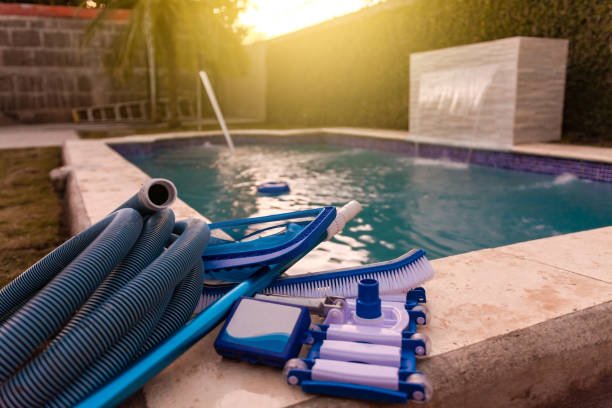

Swimming pool lighting plays an important role in creating a comfortable, attractive, and safe swimming environment. Proper lighting helps swimmers see the pool clearly after sunset, improves visibility around steps and edges, and makes the outdoor space more enjoyable. Whether you have traditional underwater lights or modern LED fixtures, keeping the lighting system in good condition is important for regular pool use.
However, swimming pool lights can develop problems over time. Bulbs may stop working, fixtures may become damaged, electrical connections can loosen, and moisture may enter the lighting system. These issues can affect the performance of your pool lights and may create safety concerns if they are not addressed properly.
Understanding common swimming pool lighting problems can help you recognize warning signs and determine when professional assistance is needed. Here are some common issues and the appropriate ways to address them.
Burned-Out Swimming Pool Light Bulbs
A burned-out bulb is one of the most common swimming pool lighting problems. Pool lights are used regularly, and their bulbs naturally wear out over time. When a bulb reaches the end of its lifespan, it may become dim, flicker, or stop working completely.
If one light stops working while the other fixtures continue to operate, the bulb may be responsible. Replacing the damaged bulb with a compatible option can restore proper illumination.
However, underwater lighting fixtures require careful handling. Their protective seals must remain in good condition to prevent water from entering the housing. Professional assistance is recommended to ensure the bulb is replaced correctly and the fixture remains properly sealed.
Flickering or Unstable Pool Lights
Flickering lights can make a swimming pool uncomfortable to use and may indicate an underlying electrical problem. This issue can occur because of loose wiring, damaged connections, a faulty power supply, or problems with the lighting fixture.
Sometimes, pool lights may flicker when they are switched on and then become stable. In other situations, they may continue turning on and off unexpectedly.
Ignoring this behavior can lead to further damage. A qualified technician should inspect the lighting system to identify the source of the problem. If the issue involves electrical connections or damaged components, professional repairs can help restore consistent lighting.
Water Entering the Pool Light Fixture
Swimming pool lights are designed to operate underwater, but their internal electrical components must remain protected from water. Seals, gaskets, and protective housing prevent moisture from entering the fixture.
When these components become worn or damaged, water can enter the light housing. This may lead to corrosion, damaged wiring, bulb failure, and electrical hazards.
Signs of water intrusion may include condensation inside the fixture, visible moisture, or unusual lighting performance.
If you suspect water has entered a pool light, stop using the affected fixture and keep its power switched off. Do not attempt to open or repair an underwater electrical fixture yourself. Contact a qualified professional to inspect the housing, replace damaged seals, and determine whether the fixture can be safely repaired.
LED Pool Light Malfunctions
LED pool lights are widely used because they provide attractive illumination, consume less energy, and generally last longer than traditional bulbs. Despite these benefits, LED lighting systems can still experience technical problems.
Common LED issues include dim lighting, color changes, flickering, and complete failure. These problems may be caused by damaged internal components, faulty drivers, moisture intrusion, or control system issues.
For color-changing LED lights, the problem may also involve the controller or communication between the lighting system and its controls.
The best approach is to have the entire lighting system inspected rather than immediately replacing the fixture. Professional pool light repair can help determine whether the problem comes from the LED unit, power supply, wiring, or control system.
Faulty Pool Light Switches
A swimming pool light may stop working because of a faulty switch rather than a damaged bulb or fixture. Pool light switches are used regularly and may experience wear over time.
A damaged switch can prevent electricity from reaching the lighting system. You may notice that the switch feels loose, does not respond properly, or fails to turn the lights on.
In some cases, the problem may come from a loose electrical connection behind the switch.
A qualified electrician can inspect the switch and its connections to determine whether replacement or further electrical work is needed. Avoid opening electrical switches or panels yourself, especially in areas close to the swimming pool.
Damaged or Corroded Wiring
Electrical wiring is an important part of every swimming pool lighting system. It carries power from the electrical supply to the fixtures. When wires become damaged, corroded, or loose, the lights may stop working properly.
Outdoor conditions, moisture, aging materials, and physical damage can affect electrical wiring over time.
Some warning signs include flickering lights, intermittent operation, or multiple fixtures failing unexpectedly. Damaged wiring can also create serious safety concerns.
Professional inspection is necessary to locate the affected sections and determine the appropriate solution. A qualified electrician can replace damaged wiring, repair connections, and check that the lighting system meets applicable electrical safety requirements.
Tripped Circuit Breakers
A circuit breaker protects the electrical system by interrupting power when it detects an overload or fault. If your swimming pool lights suddenly stop working, a tripped breaker may be responsible.
A breaker can trip because of damaged wiring, moisture, a faulty fixture, or another electrical issue.
Although resetting a breaker may seem like a simple solution, repeated trips should never be ignored. The underlying cause needs to be identified before the lighting system is used again.
If the breaker trips repeatedly, leave the affected circuit switched off and contact a qualified electrician. Professional inspection can help prevent further electrical damage and reduce potential safety risks.
Problems With Pool Light Transformers
Some swimming pool lighting systems use transformers to provide the correct voltage to the fixtures. If a transformer becomes faulty, the lights may become dim, flicker, or stop working completely.
A transformer problem may affect a single fixture or several lights connected to the same system.
Other electrical components, including power supplies and drivers, may also contribute to similar symptoms. Therefore, identifying the exact source of the problem is important.
A professional technician can test the transformer and inspect the connected components. If the transformer is damaged, replacing it with a compatible unit can help restore normal lighting performance.
How to Maintain Your Swimming Pool Lighting System
Regular maintenance can help reduce lighting problems and extend the life of your pool fixtures. Although some repairs are unavoidable, taking care of the lighting system can help identify potential issues early.
Here are some useful maintenance practices:
- Inspect the fixtures: Check for visible cracks, damage, moisture, and unusual changes in lighting.
- Watch for flickering: Unstable lighting may indicate an electrical issue that needs professional attention.
- Maintain protective seals: Have the fixture seals and gaskets inspected to reduce the risk of water intrusion.
- Keep electrical equipment protected: Make sure electrical components are maintained and installed according to safety requirements.
- Schedule professional inspections: Regular checks can help identify worn or damaged parts before they cause further problems.
- Address issues early: Do not continue using lights that show signs of electrical failure or physical damage.
These maintenance practices can help keep your pool lighting system in good working condition.
When to Seek Professional Pool Light Repair
Some swimming pool lighting problems may appear minor but can indicate more serious electrical faults. For example, flickering lights may be connected to damaged wiring, while moisture inside a fixture may indicate a failed protective seal.
Professional assistance is recommended when pool lights stop working repeatedly, circuit breakers trip, electrical components show signs of damage, or water enters the fixture.
Experienced technicians can inspect the lighting system, identify the source of the issue, and recommend suitable solutions. Professional pool light repair may involve replacing damaged bulbs, repairing electrical connections, addressing wiring problems, or installing compatible lighting components.
Working with a qualified professional also helps ensure that underwater fixtures are handled safely and that electrical protection systems remain functional.
Never attempt to repair pool lighting while the electrical supply is connected. Safety should always come before restoring illumination.
Conclusion
Swimming pool lighting problems can affect visibility, comfort, and the overall appearance of your swimming area. Common issues include burned-out bulbs, flickering lights, damaged wiring, water intrusion, faulty switches, and transformer failures.
Recognizing these problems early can help prevent further damage and support the proper functioning of your lighting system. Regular maintenance, careful inspections, and professional assistance can make a significant difference in keeping pool lights working effectively.
When electrical faults or underwater fixture problems occur, professional pool light repair is the right way to identify the cause and restore safe, dependable lighting. Taking proper care of your pool lighting system allows you to enjoy a brighter and more comfortable swimming environment.