

Introduction
A car is a valuable investment that deserves proper care and protection. Whether you park your vehicle in an open driveway, garage, residential parking area or commercial space, everyday environmental conditions can gradually affect its appearance and condition. Dust, sunlight, rain, bird droppings, tree sap and other outdoor elements can damage your vehicle’s paintwork and exterior surfaces. A quality cover car solution provides a simple and convenient way to protect your vehicle when it is not in use.
Car covers are available in different materials, sizes and designs to suit various vehicle types and parking conditions. From lightweight indoor covers to heavy-duty outdoor options, choosing the right cover can help maintain your car’s appearance, reduce cleaning requirements and provide additional protection against environmental exposure.
What Is a Car Cover?
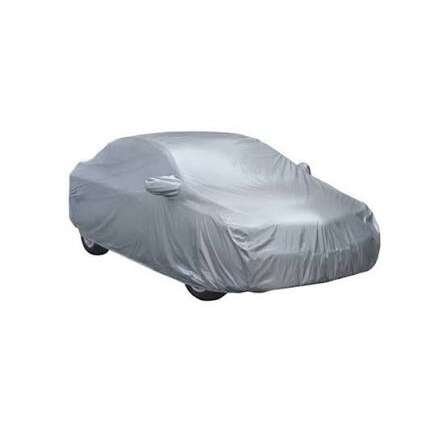
A car cover is a specially designed protective covering that fits over a vehicle to shield its exterior from dirt, weather conditions and everyday contaminants. It acts as a protective barrier between your car’s paintwork and the surrounding environment.
Modern car covers are manufactured using materials such as polyester, polypropylene, microfiber and multi-layer protective fabrics. Some designs feature water-resistant coatings, UV protection, breathable construction and soft inner linings.
Depending on your requirements, you can choose a cover for indoor storage, outdoor parking or year-round vehicle protection.
Why Is a Car Cover Important?
Leaving a vehicle exposed for extended periods can result in several types of exterior damage. Investing in a suitable car cover helps reduce these risks.
1. Protection Against Sunlight and UV Rays
Continuous exposure to direct sunlight can gradually fade vehicle paint, damage exterior plastics and affect rubber components. UV-resistant car covers help reduce direct sun exposure and protect the vehicle’s exterior from harmful ultraviolet radiation.
They are particularly useful for vehicles regularly parked outdoors in hot and sunny climates.
2. Protection from Dust and Dirt
Dust accumulation is a common problem, especially in residential areas, busy streets and open parking spaces. Fine dust particles can settle on the vehicle’s paintwork and make it look dirty.
A properly fitted car cover creates a barrier against airborne dust, dirt and debris, helping keep your vehicle cleaner between washes.
3. Protection from Rain and Moisture
Rainwater can leave mineral deposits, water spots and dirt marks on vehicle surfaces. Water-resistant car covers help prevent direct exposure to rain and reduce moisture-related contamination.
However, waterproof does not always mean completely moisture-proof. Breathable materials are important because trapped condensation can contribute to corrosion or damage over time.
4. Protection Against Bird Droppings and Tree Sap
Bird droppings and tree sap can be particularly harmful to automotive paint if left untreated. They may leave stubborn marks and damage clear coats.
A car cover provides a physical barrier against these contaminants, making vehicle maintenance easier.
5. Reduced Risk of Minor Surface Scratches
A soft-lined cover can help protect against light contact with dust, leaves and other environmental debris. However, installing a cover over a dirty vehicle or dragging it across the paintwork can cause scratches.
Always clean your car before covering it and choose a soft, non-abrasive inner lining.
Different Types of Car Covers
Understanding the available options makes it easier to select a cover that matches your parking environment.
Indoor Car Covers
Indoor car covers are designed for vehicles stored inside garages or enclosed parking spaces. They are generally lightweight and made from soft, breathable materials.
Their main purpose is to protect against dust, minor scratches and accidental contact. They are ideal for classic cars, luxury vehicles and cars that remain parked for extended periods.
Outdoor Car Covers
Outdoor car covers are designed to withstand changing weather conditions. They typically feature stronger materials, reinforced stitching and additional protection against sunlight and moisture.
These covers are suitable for vehicles parked in driveways, open parking spaces and uncovered residential areas.
Waterproof Car Covers
Waterproof or highly water-resistant covers help protect vehicles from rain and splashes. They are particularly useful in areas experiencing frequent rainfall.
Look for a design that also offers adequate breathability to minimise condensation underneath the cover.
All-Weather Car Covers
All-weather car covers combine several protective features, including UV resistance, water resistance and dust protection. Many use multiple fabric layers to provide improved durability.
They are a practical choice for vehicle owners who need protection throughout different seasons.
How to Choose the Best Car Cover
Not every car cover offers the same level of protection. Consider these important factors before purchasing one.
1. Choose the Correct Size: A cover should match your vehicle’s dimensions. Options are available for hatchbacks, sedans, SUVs, vans and other vehicle types. A properly fitted cover provides better coverage and reduces movement in windy conditions.
2. Consider the Material: Select a material based on your parking environment. Lightweight fabrics are suitable for indoor use, while durable, weather-resistant materials are better for outdoor applications.
3. Check UV Resistance: If your vehicle is regularly exposed to direct sunlight, choose a cover specifically designed to reduce UV exposure.
4. Look for Breathability: Breathable fabric allows moisture vapour to escape, helping reduce condensation beneath the cover.
5. Check Wind Protection: Elastic hems, adjustable straps and secure fastening points help prevent the cover from shifting or blowing away.
6. Choose a Soft Inner Lining: A soft interior reduces the risk of abrasion against the paintwork, particularly when the cover is installed and removed.
Common Mistakes to Avoid When Using a Car Cover
Even a high-quality car cover may not provide effective protection if it is used incorrectly.
-
Covering a dirty vehicle: Dust and sand trapped between the fabric and paint can cause scratches.
-
Using the wrong size: Loose covers can flap against the vehicle during windy conditions.
-
Ignoring moisture: Covering a wet car for extended periods can trap moisture.
-
Using indoor covers outdoors: Lightweight indoor fabrics may not withstand harsh weather.
-
Ignoring maintenance: Regularly clean and dry the cover according to the manufacturer’s instructions.
-
Installing a cover over a hot vehicle: Allow the engine and exterior surfaces to cool before covering the car.
Following these precautions can improve the performance and lifespan of your car cover.
Are Car Covers Worth Buying?
For most vehicle owners, a car cover is a worthwhile investment, particularly when covered parking is unavailable. It provides an affordable way to reduce exposure to environmental contaminants and maintain the vehicle’s exterior appearance.
A suitable cover can also reduce the frequency of exterior cleaning and help preserve the finish between professional detailing sessions.
However, car covers are not a replacement for a garage, secure parking or regular vehicle maintenance. They also cannot guarantee protection against hail, falling branches, vandalism or major physical impacts. Specialised protective covers are necessary when additional impact protection is required.
How to Maintain Your Car Cover
Proper maintenance helps keep your cover effective for longer.
-
Wash the cover according to its manufacturer’s care instructions.
-
Allow it to dry completely before folding and storing it.
-
Avoid using harsh detergents that may damage protective coatings.
-
Inspect seams, elastic edges and fastening straps regularly.
-
Store the cover in a clean, dry storage bag when not in use.
-
Never place a dirty cover directly against freshly cleaned vehicle paint.
Regular maintenance ensures the fabric remains in good condition and continues providing reliable protection.
Conclusion
A quality cover car solution is an essential accessory for vehicle owners who want to protect their investment from everyday environmental damage. Whether you need protection against sunlight, dust, rain, bird droppings or outdoor debris, choosing the right car cover can make vehicle maintenance easier and help preserve its appearance.
Before purchasing, consider your vehicle’s size, parking environment, material requirements, breathability and weather conditions. By selecting a properly fitted and durable car cover and maintaining it correctly, you can enjoy greater convenience and long-term exterior protection.
Frequently Asked Questions (FAQs)
1. What is the main purpose of a car cover?
A car cover protects a vehicle from dust, sunlight, rain, bird droppings, tree sap and other environmental contaminants when it is parked.
2. Can I use a car cover every day?
Yes. You can use a suitable car cover daily, provided the vehicle and cover are clean and dry and the material is appropriate for your parking environment.
3. Which car cover is best for outdoor parking?
A durable, breathable, UV-resistant and water-resistant outdoor car cover is generally a good choice for uncovered parking spaces.
4. Do car covers prevent scratches?
Soft-lined car covers can reduce exposure to minor external contact. However, dirt trapped underneath the cover or incorrect installation can cause scratches.
5. Are waterproof car covers better than breathable covers?
Not necessarily. Waterproof covers offer greater resistance to rain, but breathable construction helps minimise trapped condensation. A balanced design is often preferable.
6. How often should I wash my car cover?
Clean your car cover whenever it becomes noticeably dirty and follow the manufacturer’s washing and maintenance instructions.