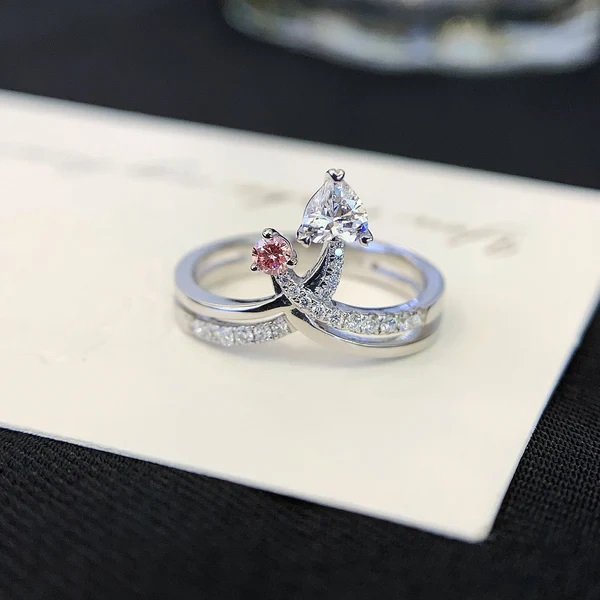

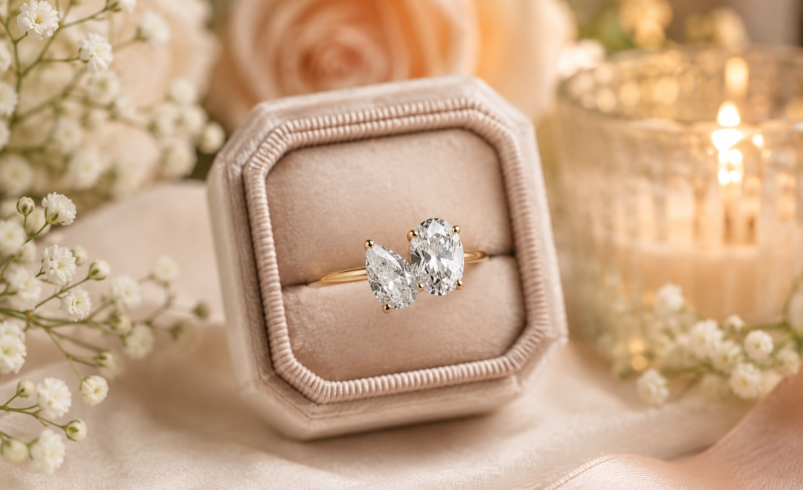

Buying an engagement ring becomes more meaningful when every detail reflects the person who will wear it. Custom lab grown diamond rings allow buyers to select the diamond, setting, metal, band details, and personal additions instead of settling for a ready-made design. However, having more choices also means making more decisions. A clear checklist can help you compare options, avoid unnecessary costs, and create a ring that suits your partner’s taste and daily routine.
This buying checklist covers the essential points to review before placing a custom ring order, from diamond certification and setting security to production time and after-sales support.
Set a Complete Budget
Begin with a total budget rather than focusing only on the center diamond. A custom ring price may include:
- Center diamond
- Side or accent diamonds
- Ring setting
- Gold or platinum
- Custom design charges
- Engraving
- Certification
- Shipping and insurance
- Taxes or import fees
Lab-grown diamonds often allow buyers to choose a larger carat weight or a higher clarity grade within the same spending range. Still, it is important to divide the budget carefully.
For example, spending nearly the entire amount on the center stone may leave limited choices for the setting. A balanced budget helps ensure that the diamond and ring design work well together.
Ask the jeweler for an itemized quotation before approving the order. It should clearly show what is included and whether any additional charges may apply later.
Learn Your Partner’s Ring Preferences
A custom ring should match the wearer rather than current social media trends. Before selecting a design, observe the jewelry your partner already wears.
Pay attention to:
- White, yellow, or rose-colored metal
- Simple or detailed jewelry
- Thin or wide bands
- Low-profile or raised settings
- Traditional or unusual diamond shapes
- Minimal or decorative designs
You can also ask close friends or family members for help, provided they can keep the proposal private. Saved social media posts, shared photos, and previous shopping conversations may also reveal useful preferences.
For a complete surprise, choose a design with details that are easy to modify later. A simple solitaire or three-stone layout may be easier to adjust than a highly detailed ring with diamonds covering the entire band.
Confirm Independent Certification
Every center diamond should come with a grading report from a recognized independent laboratory. IGI is commonly used for lab-grown diamonds, while GIA also issues reports for laboratory-grown stones.
The certificate should confirm:
- Lab-grown origin
- Carat weight
- Measurements
- Color grade
- Clarity grade
- Cut information
- Polish and symmetry
- Fluorescence
- Growth method
- Report number
Match the report number with the laser inscription on the diamond when available. Ask the jeweler to include the original grading report with the completed ring.
Certification does not automatically mean that a diamond will look attractive. It confirms technical characteristics, but videos and visual inspection are still necessary.
Review the Band Width and Structure
Band width affects both comfort and appearance. Very thin bands may look delicate, but they can bend more easily, especially when supporting a large center diamond.
Common band widths range from approximately 1.6 mm to 2.5 mm, though the ideal measurement depends on the design.
Check:
- Minimum band thickness
- Shank width at the base
- Support beneath the center setting
- Whether the band is solid or hollow
- Whether future resizing is possible
- Whether the wedding band will sit flush
A custom lab grown diamond ring should be designed for long-term wear, not only for the initial presentation.
Decide on Accent Diamonds
Accent diamonds can be placed on the band, beneath the center stone, around a halo, or within side details.
Ask the jeweler about:
- Total accent diamond weight
- Color and clarity range
- Setting method
- Replacement policy
- Whether accents continue around the full band
- Whether resizing will affect the design
Pavé and micro-pavé rings may need more maintenance than plain bands. For someone with an active lifestyle, consider limiting accent diamonds to the upper half of the band.
Add Personal Details Carefully
Customization can include more than choosing a diamond and metal. Buyers may add:
- Engraved initials
- A proposal date
- A short personal phrase
- Birthstones
- A hidden gemstone
- A floral basket
- A meaningful symbol
- A two-tone metal combination
Keep personal additions balanced. Too many hidden details may make the design difficult to repair or resize.
When you customize lab grown diamond ring details, request a clear sketch, CAD image, or design summary before production begins. Check spelling, proportions, engraving, stone placement, and metal color carefully.
Ask for CAD Approval
Most custom made diamond engagement rings are reviewed through a CAD design before production. CAD images show the structure and measurements of the ring, but they may appear heavier than the final polished piece.
Review:
- Center stone orientation
- Prong placement
- Band width
- Band thickness
- Setting height
- Gallery design
- Accent stone placement
- Wedding band compatibility
- Engraving position
Request measurement details if something looks too large or too narrow. Approve the design only after every requested correction has been included in the final version.
Confirm the Ring Size
Accurate sizing is essential, especially for rings with stones around the band. Use a professional ring-sizing tool whenever possible.
Finger size can change because of temperature, activity, travel, pregnancy, or health conditions. A slightly wider band may also feel tighter than a thin band in the same size.
Ask whether the ring can be resized later. Full eternity bands, detailed shanks, and certain tension-style settings may have limited resizing options.
Review Production and Delivery Time
Custom orders take longer than ready-to-ship rings. Production may involve design approval, diamond sourcing, casting, stone setting, polishing, quality checks, certification matching, and shipping.
Before ordering, confirm:
- Estimated production period
- CAD approval timeline
- Shipping method
- Insurance coverage
- Tracking availability
- Signature requirement
- Possible customs delays
- Final delivery deadline
Place the order well before the proposal date. Avoid scheduling the proposal immediately after the expected delivery date because production or shipping delays can happen.
Read the Return and Cancellation Policy
Custom orders often have different return terms than standard products. Some jewelers do not accept returns on engraved, resized, or fully personalized designs.
Ask these questions before payment:
- Can the order be cancelled after CAD approval?
- Are design deposits refundable?
- Can the center diamond be exchanged?
- Are custom rings eligible for returns?
- Is resizing included?
- What happens if the ring arrives damaged?
- Who pays for return shipping?
Keep written copies of the approved design, invoice, certificate information, and policy terms.
Check the Warranty and Maintenance Services
A ring may need professional cleaning, prong tightening, polishing, rhodium coating, or accent-stone replacement over time.
A useful warranty should explain:
- Manufacturing defect coverage
- Prong inspection
- Loose stone repair
- Accent diamond replacement
- Metal refinishing
- Rhodium coating
- Resizing terms
- Shipping responsibilities
Routine maintenance may be required to keep warranty coverage active. Ask how often the ring should be inspected and whether inspection must be completed by the original jeweler.
Compare the Jeweler’s Communication
Good communication matters throughout a custom order. The jeweler should answer technical questions clearly and provide written confirmation of design choices.
Look for:
- Clear quotations
- Real diamond videos
- Certificate access
- CAD approval
- Progress updates
- Written policies
- Secure payment options
- Insured delivery
- Responsive after-sales support
Brands such as Antiquecut allow buyers to explore custom ring options while reviewing diamond shape, setting, metal, and personal design details.
See More Options of custom lab diamond rings before selecting the final design so you can compare setting height, stone proportions, band structure, and price.
Final Thoughts
The ability to build your own engagement ring lab diamond design gives you control over details that standard rings may not offer. The most successful custom orders begin with a clear budget, accurate product information, careful CAD review, and written policies.
Avoid making a decision based only on carat weight or certificate grades. Consider how the ring will look, feel, and perform during daily wear. Compare diamond videos, confirm structural measurements, and ask questions before approving the design.
A well-planned custom engagement ring does not need unnecessary details or an oversized budget. It needs thoughtful choices, reliable construction, and features that suit the person who will wear it.