
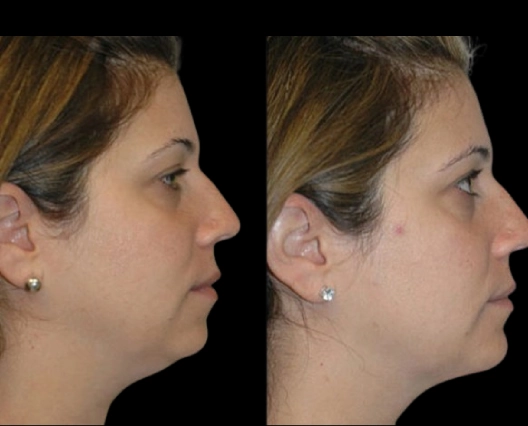

Recovery is a major part of the overall double chin removal experience. While patients often focus on the cosmetic improvement itself, the healing period plays an equally important role in how the final jawline and neck contour develop. Understanding what is normal after treatment can help patients feel more confident, follow aftercare instructions correctly, and avoid unnecessary concern during the first few days and weeks.
People considering Double chin removal Dubai should know that swelling, mild tenderness, tightness, or temporary numbness may occur after treatment. These effects usually improve gradually as the tissues heal. At Perfect Doctors Clinic, patients may receive individualized recovery instructions depending on the procedure used, the amount of fat removed, and the condition of the skin. Choosing a professional provider for double chin removal in dubai also helps ensure that follow-up support is available if questions arise during recovery.
Key Recovery Stages After Double chin removal Surgery in dubai
Double chin removal Surgery in dubai may involve liposuction or another contouring technique, and recovery can vary depending on the exact procedure. In the first few days, patients may notice swelling, bruising, soreness, or a sensation of tightness beneath the chin.
Some people may also experience temporary firmness in the treated area. This can happen as the tissues respond to surgery and begin healing. The appearance may look uneven at first, but this does not necessarily reflect the final result.
Patients looking for the Best doctors in dubai should consider how clearly the surgeon explains the recovery process. Good aftercare instructions should include guidance on sleeping position, physical activity, compression garments, medication, incision care, and follow-up appointments.
Recovery is not identical for everyone. Age, skin elasticity, treatment extent, general health, and adherence to postoperative instructions can all influence how quickly swelling settles.
Aftercare Guidance from the Best Double chin removal Surgeons in dubai
The Best Double chin removal Surgeons in dubai should provide clear instructions about what to expect during each stage of healing. These instructions can help patients identify normal symptoms and understand when medical advice may be needed.
The best double chin removal surgeons in dubai generally encourage patients to rest during the first few days, avoid heavy physical activity, and protect the treated area from unnecessary pressure. If a compression garment is recommended, it should be worn according to the surgeon’s directions.
Patients searching for the best double chin removal surgeon in dubai should also consider the quality of follow-up care. Recovery can raise many questions, so easy access to professional guidance can make the experience more reassuring.
Some patients may encounter promotional names such as dr perfect celebrity while researching cosmetic specialists. However, recovery safety, surgical experience, qualifications, and patient support should remain more important than branding alone.
Recovery Fact 1: Swelling Is Usually Expected
Swelling is one of the most common effects after double chin removal.
In some patients, swelling may be mild, while in others it can be more noticeable. It often peaks during the early recovery stage and then gradually improves.
Patients should avoid judging the final result while swelling is still present.
Keeping the head elevated while resting may help reduce fluid accumulation and improve comfort.
Recovery Fact 2: Bruising Can Vary Between Patients
Bruising may develop beneath the chin or along the upper neck.
Some patients experience very little bruising, while others notice temporary discoloration for several days.
The amount of bruising depends on factors such as the surgical technique, individual healing response, medications, and skin characteristics.
Bruising usually fades gradually as recovery progresses.
Recovery Fact 3: Compression Garments May Be Recommended
A compression garment may be used after double chin removal to support the treated tissues.
It may help reduce swelling and encourage the skin to adapt to the new contour.
The duration of use can vary. Some patients may wear it more frequently during the first several days and then reduce use based on the surgeon’s instructions.
Patients should not adjust or discontinue compression without medical guidance.
Recovery Fact 4: Sleeping Position Can Matter
Patients are often advised to sleep with the head slightly elevated during early recovery.
This position can help reduce swelling and prevent unnecessary pressure on the treated area.
Sleeping directly on the side or stomach may be discouraged initially, depending on the procedure.
Using extra pillows or a supportive sleeping setup can make recovery more comfortable.
Recovery Fact 5: Activity Should Return Gradually
Light walking may be encouraged during recovery, but strenuous exercise should usually be avoided at first.
Heavy lifting, intense workouts, and activities that significantly increase heart rate can contribute to swelling or discomfort.
Patients should return to exercise gradually and only when their surgeon confirms that it is safe.
Rushing back into demanding physical activity can interfere with healing.
Recovery Fact 6: Numbness or Tingling May Occur
Temporary numbness, tingling, or altered sensation can sometimes occur after treatment.
These sensations may be related to swelling or temporary irritation of small nerves in the area.
For many patients, sensation improves gradually as healing continues.
Persistent or worsening numbness should be discussed with the surgeon.
Recovery Fact 7: The Final Result Is Not Immediate
One of the most important recovery facts is that the final contour takes time.
The area beneath the chin may look swollen, firm, or uneven during the first stage of healing.
As swelling decreases, the jawline usually becomes clearer and the neck contour more refined.
Final results may take several weeks or months to become fully visible.
Recovery Fact 8: Skin Tightening Takes Time
After fat removal, the skin needs time to adapt to the reduced volume beneath it.
Patients with good skin elasticity may notice gradual tightening as healing continues.
Those with weaker skin elasticity may experience less natural contraction and could need additional treatment depending on their goals.
This is why skin quality is an important part of the original consultation.
Recovery Fact 9: Follow-Up Visits Are Important
Follow-up appointments allow the surgeon to monitor swelling, incision healing, symmetry, and skin adaptation.
Even if recovery appears normal, these appointments provide an opportunity to address questions and detect concerns early.
Patients should attend all recommended reviews rather than assuming that follow-up is unnecessary.
Good communication between the patient and surgeon can make recovery more predictable.
Recovery Fact 10: Lifestyle Habits Can Influence Healing
Healthy habits can support the recovery process.
Patients may benefit from staying hydrated, eating balanced meals, avoiding smoking, and following medication instructions carefully.
Smoking and nicotine can interfere with circulation and tissue healing, so patients may be advised to avoid them before and after surgery.
Maintaining a stable weight can also help preserve the long-term contour.
When Can Patients Return to Work?
The timeline for returning to work depends on the type of job and how visible the swelling or bruising is.
Patients with desk-based jobs may return sooner than those with physically demanding work.
Some people choose to take additional time off because of visible swelling even if they feel comfortable.
The surgeon can provide personalized advice based on the procedure and recovery progress.
When Should Patients Contact the Clinic?
Most swelling and mild discomfort are expected, but certain symptoms should be reviewed promptly.
Patients should contact their clinic if they experience severe or increasing pain, heavy bleeding, fever, unusual discharge, rapidly worsening swelling, or other unexpected symptoms.
Prompt communication allows the medical team to assess whether treatment or additional examination is needed.
How to Support Long-Term Recovery Results
After the initial healing period, maintaining a stable body weight can help preserve the treated contour.
The fat removed during the procedure does not usually return in the same way, but remaining fat cells can still enlarge with significant weight gain.
Healthy eating, regular exercise, hydration, and proper skin care can help support the appearance of the jawline and neck.
Natural aging will still continue, so long-term changes in the skin and tissues are normal.
Frequently Asked Questions
1. Is it normal for the chin area to feel firm after surgery?
Yes, temporary firmness can occur as swelling and healing develop. It usually softens gradually, but persistent or painful hardness should be discussed with the surgeon.
2. How soon can I wash my face after double chin removal?
This depends on the location of the incisions and the surgeon’s instructions. Patients may be advised to clean the area gently while avoiding direct pressure during early healing.
3. Can I wear makeup around the treated area during recovery?
Makeup may need to be avoided near incision sites until the skin has healed sufficiently. The surgeon can advise when cosmetic products can be used safely.
4. Why does my jawline look uneven during the first week?
Temporary unevenness can be caused by swelling, bruising, or differences in how each side heals. It often improves as inflammation decreases.
5. When is it safe to get a facial or massage after double chin removal?
Patients should wait until the surgeon confirms that the tissues have healed enough. Early pressure, massage, or cosmetic treatments could interfere with recovery.
Final Thoughts on Double Chin Removal Recovery Facts
Recovery after double chin removal is a gradual process that requires patience, good aftercare, and realistic expectations. Swelling, bruising, tightness, and temporary changes in sensation can occur, but these effects usually improve as healing progresses.
Following medical instructions, attending follow-up appointments, avoiding strenuous activity too early, and maintaining healthy lifestyle habits can all support a smoother recovery.
With careful treatment planning and proper aftercare, patients can move through the healing process confidently while waiting for the jawline and neck contour to become more defined.