
Introduction
Modern electronic devices must operate reliably without creating unwanted electromagnetic disturbances or being affected by interference from nearby equipment. From consumer electronics and industrial machinery to medical devices, automotive systems, and wireless communication products, electromagnetic performance plays a critical role in product safety and reliability. This is where EMC EMI testing becomes essential.
Electromagnetic Compatibility (EMC) and Electromagnetic Interference (EMI) testing help manufacturers determine whether their electronic products meet applicable regulatory requirements and operate correctly in real-world electromagnetic environments. Proper testing can identify potential design weaknesses, reduce compliance risks, and prevent costly product failures before products reach the market.
What Is EMC EMI Testing?
EMC EMI testing evaluates how electronic and electrical equipment interacts with electromagnetic energy.
Electromagnetic Compatibility (EMC) refers to a device’s ability to function correctly in its intended electromagnetic environment without generating excessive interference that affects other equipment.
Electromagnetic Interference (EMI) refers to unwanted electromagnetic energy that can disrupt the normal operation of electronic systems. It may originate from switching power supplies, motors, wireless transmitters, electrical circuits, cables, or other electronic equipment.
Although EMC and EMI are closely related, they represent different aspects of electromagnetic performance. EMC covers both emissions and immunity, while EMI testing primarily focuses on identifying and measuring unwanted electromagnetic disturbances.
Why Is EMC EMI Testing Important?
Electronic products contain increasingly complex circuits, high-speed processors, wireless communication modules, and switching components. These technologies can produce electromagnetic emissions that interfere with nearby equipment.
EMC EMI testing helps manufacturers identify and address these problems before products are commercially released.
Key benefits include:
- Regulatory compliance: Helps demonstrate that products meet applicable EMC and EMI requirements.
- Product reliability: Reduces the risk of electromagnetic interference affecting device performance.
- Consumer safety: Helps prevent electromagnetic disturbances from disrupting sensitive electronic equipment.
- Reduced development costs: Identifies design problems early, avoiding expensive modifications after production.
- Market access: Supports regulatory approval and market entry in regions with electromagnetic compatibility requirements.
- Improved product quality: Demonstrates that electronic equipment has been evaluated against relevant testing standards.
Without appropriate testing, manufacturers may experience failed certification assessments, delayed product launches, customer complaints, and expensive redesigns.
Types of EMC EMI Testing
EMC testing generally consists of two main categories: emissions testing and immunity testing.
1. Electromagnetic Emissions Testing
Emissions testing measures the electromagnetic energy produced by an electronic device during operation. Its purpose is to ensure that the equipment does not generate excessive interference that could affect other electronic systems.
There are two common types:
Conducted Emissions Testing
Conducted emissions testing measures unwanted electrical noise travelling through power or signal cables. Testing typically uses a Line Impedance Stabilization Network (LISN) and an EMI receiver to measure disturbances over specified frequency ranges.
It is particularly important for products containing switching power supplies, electronic controllers, and high-frequency circuits.
Radiated Emissions Testing
Radiated emissions testing measures electromagnetic energy transmitted through the air by an electronic device. Antennas and specialized receivers detect emissions at different frequencies and measurement positions.
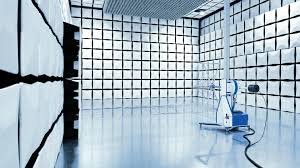
Testing is commonly performed in an anechoic chamber or an appropriately controlled test environment to minimize external interference.
2. Electromagnetic Immunity Testing
Immunity testing evaluates whether an electronic product can continue operating correctly when exposed to electromagnetic disturbances.
Common immunity tests include:
- Electrostatic Discharge (ESD): Evaluates resistance to static electricity discharges caused by human contact or nearby objects.
- Radiated RF Immunity: Tests whether equipment can withstand electromagnetic fields generated by radio frequency sources.
- Conducted RF Immunity: Evaluates resistance to radio frequency disturbances entering through cables.
- Electrical Fast Transient (EFT): Tests equipment against fast electrical transients caused by switching operations.
- Surge Immunity: Evaluates resistance to high-energy voltage disturbances, including those associated with lightning and power switching.
- Voltage Dips and Interruptions: Measures how equipment responds to temporary reductions or interruptions in its electrical supply.
These tests help manufacturers understand whether their products can maintain acceptable performance under different electromagnetic conditions.
How Does the EMC EMI Testing Process Work?
A structured testing process helps ensure accurate measurements and reliable compliance results.
Step 1: Product Evaluation
The testing process begins with an assessment of the product, its intended application, electrical specifications, operating modes, and target markets.
Engineers identify applicable EMC standards and determine which emissions and immunity tests are required.
Step 2: Test Planning
A testing plan is developed based on the product category, operating conditions, and regulatory requirements. This includes selecting appropriate test methods, equipment, frequency ranges, and performance criteria.
Step 3: Laboratory Testing
The product is placed in a suitable test environment using calibrated equipment. Depending on the requirements, testing may involve EMI receivers, spectrum analyzers, antennas, LISNs, ESD simulators, and RF signal generators.
Step 4: Results Analysis
Engineers evaluate the measurements against the relevant limits and performance criteria. Any excessive emissions or immunity-related failures are documented for further investigation.
Step 5: Corrective Actions and Retesting
If a product fails testing, engineers identify the source of interference and recommend design improvements. Potential solutions include improved PCB layouts, shielding, grounding, filtering, and cable management.
The product is then retested to verify that the corrective measures are effective.
Step 6: Final Test Report
After completing the required assessments, the laboratory prepares a report containing test configurations, measurement results, applicable standards, and compliance findings.
Common EMC EMI Testing Standards
Different markets and product categories follow specific electromagnetic compatibility standards.
Important standards and regulatory frameworks include:
- FCC Part 15: Establishes requirements for radio frequency emissions from applicable electronic devices in the United States.
- CISPR Standards: Provide international methods and limits for measuring electromagnetic disturbances from various equipment categories.
- IEC 61000 Series: Covers EMC testing methods, including emissions, immunity, and electromagnetic disturbance testing.
- EN 55032: Addresses electromagnetic emissions from multimedia equipment.
- EN 55035: Defines immunity requirements for multimedia equipment.
- IEC 61000-4-2: Specifies electrostatic discharge immunity testing.
- IEC 61000-4-3: Covers radiated radio-frequency electromagnetic field immunity testing.
The correct standards depend on the product type, intended use, and destination market.
Industries That Require EMC EMI Testing
EMC EMI testing is important across industries that manufacture or use electronic and electrical equipment.
Consumer Electronics: Smartphones, televisions, computers, chargers, and household appliances require appropriate EMC assessments.
Automotive Industry: Electronic control units, sensors, infotainment systems, and vehicle communication equipment must operate reliably in challenging electromagnetic environments.
Medical Devices: Medical monitors, diagnostic equipment, and electronic healthcare systems require careful EMC evaluation to help prevent interference-related performance problems.
Industrial Equipment: Motors, automation systems, control panels, and manufacturing machinery benefit from EMC testing to support reliable operation.
Telecommunications: Networking devices, wireless equipment, and communication systems require appropriate emissions and immunity assessments.
How to Choose an EMC EMI Testing Laboratory
Selecting an experienced testing laboratory is an important part of the compliance process. Manufacturers should consider several factors before choosing a testing provider.
First, check whether the laboratory has relevant experience with the product category and applicable regulatory standards. ISO/IEC 17025 accreditation can provide additional confidence in the laboratory’s technical competence for its accredited testing scope.
Second, review the laboratory’s available testing equipment, facilities, and technical expertise. Access to suitable anechoic chambers, calibrated instruments, and qualified engineers can improve testing efficiency.
Manufacturers should also consider report quality, communication, testing schedules, and engineering support. A laboratory that provides practical troubleshooting guidance can help businesses resolve compliance issues more efficiently.
Frequently Asked Questions (FAQs)
1. What is the difference between EMC and EMI testing?
EMC testing evaluates both electromagnetic emissions and immunity, while EMI testing primarily measures unwanted electromagnetic disturbances generated by electronic equipment.
2. How long does EMC EMI testing take?
Testing time depends on product complexity, applicable standards, testing requirements, and whether the equipment passes its initial assessment.
3. Is EMC EMI testing mandatory?
Testing or other acceptable conformity assessment procedures may be required depending on the product, destination market, and applicable regulations.
4. What happens if a product fails EMC testing?
Engineers investigate the failure, identify the interference source, implement corrective design changes, and conduct additional testing.
5. Which equipment is used for EMC EMI testing?
Common equipment includes EMI receivers, spectrum analyzers, antennas, LISNs, ESD simulators, RF generators, and specialized test chambers.
Conclusion
EMC EMI testing is an essential part of developing reliable, compliant, and high-quality electronic products. By evaluating electromagnetic emissions and immunity, manufacturers can identify interference problems, improve product performance, and demonstrate compliance with relevant industry standards.
Whether developing consumer electronics, medical devices, automotive components, or industrial equipment, investing in professional EMC EMI testing can reduce compliance risks and support successful product launches. Working with a qualified testing laboratory also helps manufacturers identify technical issues early and achieve greater confidence in their products’ electromagnetic compatibility.