
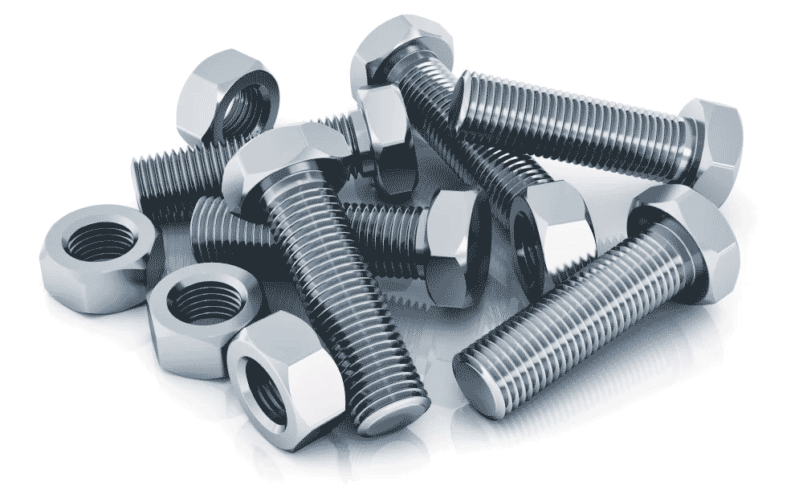

The immense demands of modern data centers rely on a complex ecosystem of specialized fasteners. From securing servers in racks to organizing critical power cables, fastening solutions ensure reliability, safety, and scalability. Working with an experienced custom fastener manufacturer is crucial for sourcing precision parts like custom bolts, nuts, and screws that meet the rigorous standards of infrastructure projects, including in major hubs like New York, London, Sydney, and Frankfurt. This guide explores the critical fasteners used in data center infrastructure, the benefits of custom fastening solutions, and why industrial fastener manufacturers are key partners in the digital age.
The Silent Backbone: Why Fastening Solutions Are Critical
Modern data centers are the nerve centers of the global economy. They house thousands of servers, storage systems, and networking equipment, all operating in a high-density, high-heat environment. The reliability of a facility in Silicon Valley or a bustling financial hub like London depends not only on sophisticated software but also on the physical integrity of its hardware.
This physical integrity is ensured by a vast array of industrial fasteners. These are not simple off-the-shelf parts; they are precision fasteners engineered for specific tasks. A server rack in a facility in Sydney, for instance, requires high-strength bolts to maintain structural stability against potential seismic activity, while a cooling system in a data center in Phoenix requires corrosion-resistant fasteners to withstand harsh environmental conditions.
The failure of a single fastener can have a domino effect, leading to equipment damage, costly downtime, and safety hazards. Therefore, the choice of fasteners is a critical engineering decision, moving from standard hardware to engineered fasteners and special purpose fasteners that are designed for the job.
Fasteners for Server Racks and Enclosures
Server racks are the primary structural units in any data center. They must support heavy equipment, maintain precise alignment, and allow for easy maintenance and upgrades. This is where a variety of fastener types come into play.
The Role of Standard and Custom Hardware
The primary load-bearing components for racks are hex bolts and carriage bolts. Hex bolts, often manufactured from carbon steel fasteners or alloy steel fasteners, are used for their high strength in joining structural frame components. The use of carriage bolts is preferred in areas where a smooth, snag-free head is needed to protect cables and ensure a clean aesthetic.
For secure mounting of servers within these racks, cage nuts and rack screws are essential. These components allow for the quick and secure attachment of equipment to vertical rails. A custom nut manufacturer can supply cage nuts with specific thread sizes, like M5 or M6, and in different materials for varied environments. This is a prime example of how custom industrial fasteners ensure seamless compatibility and reliability.
Captive panel fasteners are another innovation that is widely used in server chassis and enclosures. They are designed to remain attached to the panel, preventing loose hardware that can fall into sensitive electronics and cause short circuits. These are often used on server chassis covers, drive bays, and rear access panels, providing tool-less or easy tool access for technicians. A precision fastener manufacturer can offer these with anti-cross threading technology to speed up assembly and reduce errors.
Materials and Precision
The choice of material is paramount. For its strength and cost-effectiveness, carbon steel fasteners are common. However, in environments where humidity or cooling systems can cause corrosion, stainless steel fasteners (like 304 or 316 grade) are preferred for their durability. Alloy steel fasteners are used when high tensile strength and resistance to fatigue are required for the most demanding applications, such as heavy-duty racking systems.
Fasteners for Power and Cooling Infrastructure
Beyond the IT equipment, a modern data center requires massive power and cooling infrastructure. The reliability of this “plant” is critical to uptime. Fasteners here need to be high tensile fasteners and heavy duty fasteners to handle significant loads and vibrations.
Securing Heavy Equipment
For mounting power distribution units (PDUs), switchgear, and cooling units, anchor bolts and foundation bolts are often used to secure equipment to the concrete floor. Stud bolts and threaded rods are used to create hanger systems for cable trays and overhead busways. These are often sourced from a stud bolts manufacturer who can provide parts in specific lengths and grades.
U bolts and J bolts are frequently used in pipe supports and structural framing, while eye bolts are used for lifting and rigging heavy equipment during installation and maintenance. A U bolt manufacturer or J bolt manufacturer must ensure these parts meet strict safety standards to support critical electrical infrastructure. In a facility in a major city like Chicago, these are often supplied by an industrial bolt and nut supplier.
Cable Management Solutions
With the advent of AI and high-performance computing, fiber-optic and power cable density in data centers is soaring. Fastening solutions for cable management are essential for airflow, safety, and maintenance.
A Focus on Cable Management
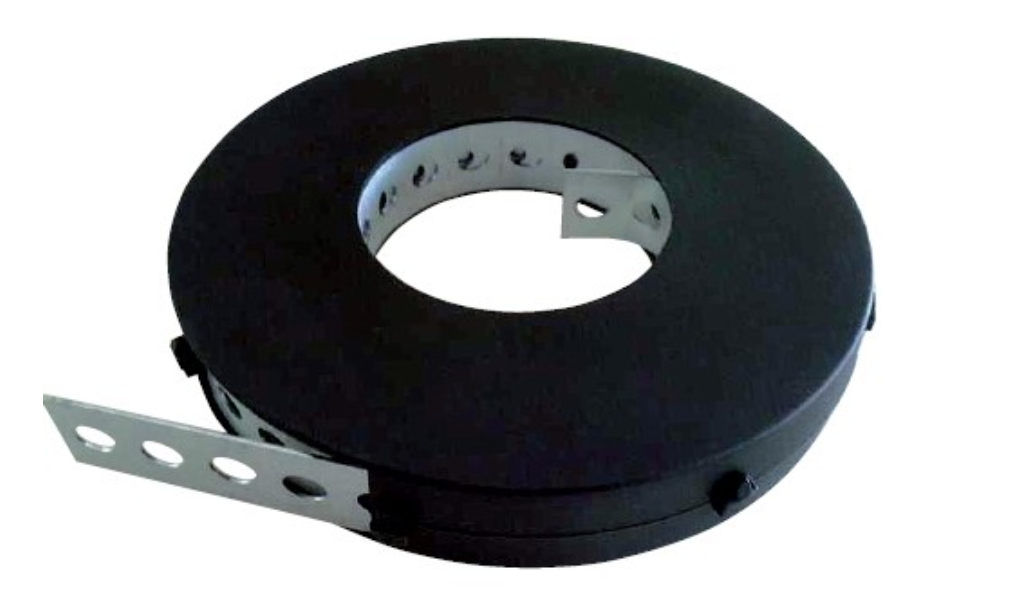
Traditional zip ties can cause damage to delicate fiber-optic cables by over-tightening. Advanced hook-and-loop fasteners are now an industry benchmark for securing these cables without causing signal degradation, offering tool-free adjustability to simplify maintenance and upgrades. For power cables, a traditional approach might involve cable cleats, but engineered banding solutions are also gaining popularity for their ease of installation and cost savings. The choice of cable management often depends on data center standards. For example, a fastener supplier or fastener exporter that serves markets like the US and Europe must be well-versed in a variety of standard and non-standard systems to provide bespoke fasteners and made to order fasteners.
Custom Manufacturing: A Strategic Advantage
The unique challenges of each data center project, from the layout in a building in Tokyo to the cooling strategy in a facility in Frankfurt, often require non-standard fasteners. Off-the-shelf products may not fit specific hole patterns, may not meet required torque specifications, or may not be made from the correct material for the environmental conditions.
This is where custom fasteners become a strategic advantage. A custom fastener company can provide engineered fasteners that are designed precisely to specification. This ensures:
-
Perfect Fit: Custom dimensions prevent misalignment and ensure optimal load distribution.
-
Optimal Performance: Custom metal fasteners can be designed with specific strength grades (e.g., 12.9 grade bolts) to handle the calculated loads.
-
Material Compatibility: The ideal material, such as a specific grade of stainless steel or a high-performance alloy, can be used to prevent corrosion and ensure longevity.
Key Fastener Types and Applications: A Detailed Overview
To understand the value of custom fastening solutions, it helps to look at the specific types of fasteners used in data centers.
| Fastener Type | Primary Application in Data Centers | Key Benefit |
|---|---|---|
| Hex Bolts | Heavy equipment mounting, structural racking. | High tensile strength for load-bearing applications. |
| Carriage Bolts | Cable management systems, rack assembly. | Snag-free heads to protect cables and personnel. |
| Cage Nuts and Screws | Mounting servers to rack rails. | Allows for quick installation and removal of IT equipment. |
| Captive Panel Fasteners | Server chassis covers, network switch enclosures. | Prevents loss of hardware and speeds up maintenance. |
| Threaded Rods/Stud Bolts | Hanging cable trays, overhead busway support. | Versatile and adjustable for overhead infrastructure. |
| Anchor/Foundation Bolts | Securing PDUs, cooling units, and racks to the floor. | Permanent, high-strength attachment to concrete. |
| U-bolts / J-bolts | Pipe supports, structural framing. | Supports and secures pipes and conduits. |
Why Work with a Leading Manufacturer
Choosing the right partner is crucial. An experienced industrial fastener manufacturer will not only supply the product but will also provide engineering support. A custom bolt manufacturer can guide you in selecting the right grade of material, finish, and manufacturing process, be it CNC machined fasteners, hot forged fasteners, or cold forged fasteners.
A leading fastener exporter, perhaps from a manufacturing hub like fastener manufacturer Navi Mumbai or fastener manufacturer Mumbai, can also provide bulk fastener manufacturer services for large-scale projects. For companies looking for a robust supply chain, an ISO certified fastener manufacturer who can produce DIN fasteners, ASTM fasteners, and metric fasteners is a reliable partner.
Conclusion
The data center is a symphony of technology, and the humble fastener is a crucial, if often unsung, member of the orchestra. The reliability, safety, and scalability of a data center in New York, London, or Sydney depend on the quality and precision of its fastening systems. From the backbone of the server rack to the delicate management of fiber-optic cables, fasteners used in data center infrastructure are critical to business success.
Specifying the right parts, including engineered fasteners, high tensile fasteners, and corrosion resistant fasteners, is essential. This makes choosing a partner with precision fastening solutions paramount. A custom fastener manufacturer provides the expertise and capability to deliver made to order fasteners and custom fastening products that meet the industry’s most stringent demands, ensuring the digital infrastructure of tomorrow stands on a solid and secure foundation.