

Electricity bills are becoming a major concern for households across Pakistan. With increasing energy costs, frequent power interruptions, and growing electricity consumption, many homeowners are looking for reliable alternatives to traditional electricity. Solar energy has become one of the most practical solutions because it allows households to generate their own electricity using sunlight.
A home solar system can help reduce monthly electricity expenses, provide greater energy independence, and support a cleaner environment. Whether you live in a small house, a large family home, or a modern residential property, installing solar panels can be a valuable long-term investment.
With the right system design, homeowners can operate essential appliances, including fans, lights, refrigerators, air conditioners, water pumps, and other electrical equipment using solar power.
This guide explains how residential solar systems work, which components are required, how to select the right capacity, and what homeowners should consider before installation.
What Is a Home Solar System?
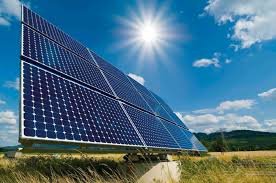
A Home Solar System in Pakistan is an electricity-generating setup that uses solar panels to convert sunlight into electrical energy. The electricity produced by the panels can power household appliances, charge batteries, or supply energy to the electrical grid, depending on the system configuration.
Solar panels contain photovoltaic (PV) cells that absorb sunlight and produce direct current (DC) electricity. An inverter converts this electricity into alternating current (AC), which is used by most household appliances.
A properly designed residential solar installation can help homeowners meet a significant portion of their daily electricity requirements.
Unlike conventional electricity generation, solar power does not require fuel to produce energy. Once installed, the system generates electricity whenever sufficient sunlight is available.
Why Are More Pakistani Homes Switching to Solar Energy?
Pakistan receives substantial sunlight throughout the year, making solar energy a suitable option for residential electricity generation. Homeowners are increasingly considering solar installations to manage electricity expenses and improve their energy security.
Here are some important reasons behind this growing demand.
1. Lower Monthly Electricity Bills
One of the biggest advantages of residential solar energy is the potential reduction in electricity bills. Instead of purchasing all electricity from the grid, homeowners can use the power generated by their own solar panels.
During sunny hours, solar energy can operate household appliances directly. This reduces dependence on electricity supplied by the utility company.
The actual savings depend on system capacity, household consumption, sunlight availability, and electricity tariff structure.
2. Better Energy Independence
A solar system gives homeowners greater control over their electricity supply. A battery-supported installation can store excess solar energy and make it available when sunlight is unavailable.
This can be particularly useful during nighttime or grid outages, provided the system is designed with suitable backup functionality.
3. Environmentally Friendly Electricity
Solar power is a renewable energy source that produces electricity without burning fossil fuels during operation.
By using solar energy, households can reduce their reliance on conventional electricity generation and contribute to lower operational carbon emissions.
4. Long-Term Investment
Solar panels are designed for long-term operation. Many manufacturers provide performance warranties extending to 25 years or more, although actual product warranties vary.
With proper installation and maintenance, a residential solar system can continue generating useful electricity for many years.
5. Suitable for Different Property Sizes
Solar systems are available in different capacities, making them suitable for small houses, medium-sized homes, and larger residential properties.
Homeowners can select a system according to their electricity consumption, available rooftop space, and future energy requirements.
Types of Home Solar Systems Available in Pakistan
Before purchasing solar equipment, homeowners should understand the main types of residential solar systems. Each option offers different benefits depending on electricity requirements, backup needs, and budget.
1. On-Grid Solar System
An on-grid solar system is connected to the local electricity grid. It generates electricity through solar panels and supplies power to household appliances during daylight hours.
When solar production is insufficient, the home can receive electricity from the grid.
Main benefits:
-
Helps reduce electricity consumption from the grid.
-
Does not require batteries.
-
Generally has a lower initial investment than a comparable battery-based system.
-
Can support approved grid-export arrangements where applicable.
However, standard grid-tied inverters usually shut down during a power outage for safety reasons. Therefore, an ordinary on-grid system does not automatically provide backup electricity.
2. Hybrid Solar System
A hybrid solar system combines solar panels, a hybrid inverter, battery storage, and grid connectivity.
During the day, solar panels generate electricity for household use. Extra energy can charge the batteries, depending on the system configuration. When solar production decreases, stored battery power can supply selected appliances.
Main benefits:
-
Provides backup electricity during outages.
-
Stores surplus solar energy for later use.
-
Reduces dependence on grid electricity.
-
Offers flexible energy management.
Hybrid systems are suitable for families that want both electricity savings and backup power. Battery capacity should be selected according to the appliances that need to operate during outages.
3. Off-Grid Solar System
An off-grid solar system operates independently of the public electricity grid. It uses solar panels, batteries, and suitable inverters to supply electricity to a property.
This option can be useful for homes in remote locations where grid electricity is unavailable or unreliable.
Main benefits:
-
Operates independently of the electricity grid.
-
Stores energy for nighttime consumption.
-
Provides electricity in remote areas.
-
Reduces dependence on conventional power supplies.
However, off-grid installations require careful planning because the batteries must provide enough energy during cloudy weather and periods of low solar production.
Essential Components of a Residential Solar System
A reliable solar installation requires more than solar panels. Every component plays an important role in generating, converting, storing, and distributing electricity.
Solar Panels
Solar panels are the main electricity-generating components. They capture sunlight and convert it into DC electricity.
Modern residential installations commonly use monocrystalline solar panels because of their efficiency and suitability for limited rooftop space.
When selecting panels, homeowners should compare:
-
Rated power output.
-
Conversion efficiency.
-
Product and performance warranties.
-
Manufacturer reputation.
-
Certification and quality standards.
Solar Inverter
The inverter converts DC electricity from solar panels into AC electricity that household appliances can use.
The three main inverter categories are grid-tied, hybrid, and off-grid. The correct option depends on whether the homeowner needs battery storage, grid connectivity, or independent operation.
Solar Batteries
Batteries store electricity for later use. They are particularly useful in hybrid and off-grid installations.
Lithium-ion batteries, including lithium iron phosphate (LiFePO4), are commonly considered for residential energy storage because of their performance and cycle-life characteristics.
Battery capacity should match the expected backup load and required backup duration.
Mounting Structure
Mounting structures securely hold solar panels on rooftops. They should be designed to withstand local weather conditions, wind loads, and environmental exposure.
A suitable mounting arrangement also provides the correct panel orientation and tilt.
Electrical Protection and Wiring
Solar installations require appropriate DC and AC cables, circuit breakers, isolators, surge protection devices, earthing, and other safety equipment.
These components protect the installation from electrical faults and help maintain safe system operation.
How to Choose the Right Solar System Capacity for Your Home
Choosing the correct capacity is one of the most important decisions when installing residential solar energy.
A system that is too small may not meet household electricity requirements, while an unnecessarily large installation can increase the initial investment.
Homeowners should consider the following factors.
Review Your Monthly Electricity Bills
Start by checking electricity consumption over the previous 6 to 12 months. Your bills provide useful information about monthly units, seasonal changes, and electricity usage patterns.
For example, a household that regularly uses air conditioners during summer will generally require a different system design from a home that mainly operates fans, lights, and basic appliances.
Calculate Your Appliance Load
Make a list of the electrical appliances used in your home.
Include:
-
Air conditioners.
-
Refrigerators and freezers.
-
Washing machines.
-
Water pumps.
-
Fans and lighting.
-
Televisions and computers.
-
Kitchen appliances.
Calculate their approximate power consumption and operating hours. This helps determine the required solar generation capacity and inverter rating.
Check Available Rooftop Space
The number of panels that can be installed depends on available roof space, shading, panel dimensions, and mounting arrangements.
Avoid areas where nearby buildings, trees, water tanks, or other structures create significant shading.
Consider Future Electricity Requirements
If you plan to purchase additional air conditioners, install electric appliances, or expand your home, consider these requirements during the initial system design.
A professional assessment can help determine whether additional inverter or battery capacity will be needed.
Important Factors Affecting Solar System Performance
Solar production is not the same every day. Several factors influence how much electricity a residential installation can generate.
Sunlight availability: Solar panels generally produce more electricity during periods of strong sunlight.
Panel orientation: Proper orientation and tilt help panels receive sufficient sunlight throughout the day.
Shading: Trees, buildings, and rooftop structures can reduce electricity production.
Dust and dirt: Dust accumulation on panels can affect their ability to absorb sunlight. Regular cleaning helps maintain performance.
Temperature: Solar panel output can decrease when operating temperatures become very high, depending on the panel technology.
Equipment quality: Reliable panels, inverters, cables, and protection devices contribute to consistent system performance.
A professional installer should evaluate these factors before recommending a residential solar solution.
Understanding Solar Net Metering in Pakistan
Net metering and other approved grid-export arrangements allow eligible solar consumers to send surplus electricity to the distribution network under applicable regulations.
For households, the important distinction is between electricity consumed directly from solar panels and electricity exported to the grid.
When solar generation exceeds household demand, surplus electricity may be exported if the installation has the required approvals and metering arrangements.
However, Pakistan’s regulatory framework has changed. NEPRA lists the Prosumer Regulations 2026 and subsequent amendments, so homeowners should not rely on older net-metering assumptions when calculating potential savings.
Legal+1
Before installation, check the latest requirements with your distribution company and confirm:
-
Whether your electricity connection is eligible.
-
Which approvals and technical documents are required.
-
What type of inverter and meter are permitted.
-
How exported electricity will be credited or compensated.
-
Which agreement and tariff conditions apply.
The Ministry of Energy also provides information about grid-connected solar arrangements and distributed generation.
power.gov.pk+1
For many homeowners, using solar electricity directly during the day is an important part of achieving financial savings.
Steps Involved in Installing a Home Solar System
Installing a residential solar system requires proper planning, technical assessment, and professional installation. Following the correct process helps homeowners avoid unnecessary expenses and equipment problems.
Step 1: Initial Energy Assessment
The first step is to review household electricity consumption. An installer evaluates electricity bills, appliance requirements, backup expectations, and available rooftop space.
Step 2: Solar System Design
After the assessment, a suitable system is designed. This includes selecting solar panel capacity, inverter specifications, battery storage (if required), and electrical protection equipment.
Step 3: Equipment Selection
Choose reliable solar panels, inverters, batteries, and mounting structures from established manufacturers. Compare warranties, product specifications, and technical certifications before making a decision.
Step 4: Professional Installation
Qualified technicians install the mounting structures, solar panels, electrical connections, inverter, and batteries. Proper earthing and electrical protection should also be included.
Step 5: Testing and Commissioning
After installation, the complete system should be tested to confirm that it operates correctly. Homeowners should receive guidance about monitoring applications, system operation, and maintenance requirements.
How Much Does a Home Solar System Cost in Pakistan?
The cost of a home solar system depends on several factors. There is no single price that applies to every residential property because household electricity requirements and equipment specifications differ.
The main factors affecting installation costs include:
-
System capacity: Larger systems generally require more panels and supporting equipment.
-
Solar panel quality: Different manufacturers offer different technologies, efficiencies, and warranties.
-
Inverter selection: Grid-tied, hybrid, and off-grid inverters have different features and costs.
-
Battery storage: Adding batteries increases the initial investment.
-
Installation requirements: Rooftop structure, wiring, electrical protection, and mounting arrangements affect the overall budget.
-
Additional equipment: Monitoring devices and other electrical accessories may influence the final quotation.
Homeowners should request a detailed quotation that identifies the brands, models, quantities, warranties, installation charges, and after-sales support.
Instead of selecting a system based only on the lowest price, compare its expected performance and long-term reliability.
Maintenance Tips for Better Solar Performance
Solar systems generally require less maintenance than many conventional electricity-generating systems. However, regular inspections can help maintain efficiency and identify problems early.
Here are some useful maintenance practices.
-
Clean solar panels regularly: Remove accumulated dust and dirt using appropriate cleaning methods.
-
Inspect electrical connections: Check cables, connectors, and visible wiring for signs of damage.
-
Monitor inverter performance: Review the monitoring application to identify unusual changes in electricity generation.
-
Check battery health: For battery-based installations, monitor charging performance and follow manufacturer maintenance instructions.
-
Inspect mounting structures: Ensure panels remain securely attached and that there are no visible structural problems.
-
Arrange professional inspections: Have qualified technicians inspect the system when performance decreases or faults appear.
Avoid touching exposed electrical components or attempting repairs without professional assistance.
Why Choose DSG Energy for Residential Solar Solutions?
Choosing an experienced solar installation company is important for getting a residential system that meets your electricity requirements.
DSG Energy provides residential solar solutions designed to help homeowners explore reliable and energy-efficient electricity options.
Whether you want to reduce your monthly electricity expenses, install a battery-supported backup system, or move towards greater energy independence, selecting the right equipment and system configuration is essential.
A properly planned installation should consider your household consumption, available rooftop space, budget, and future electricity needs.
Before making an investment, homeowners should discuss their requirements with a qualified solar professional and request a customized system proposal.
Explore the residential solar solutions offered by DSG Energy:
https://dsgenergy.com.pk/solutions/residential/
Frequently Asked Questions About Home Solar Systems
1. Is a home solar system worth installing in Pakistan?
Yes, a home solar system can be a worthwhile investment for households with suitable rooftop space and regular electricity consumption. Actual savings depend on system performance, installation costs, electricity tariffs, and applicable grid-export regulations.
2. How many solar panels are required for a house?
The number of panels depends on the total system capacity and the wattage of individual panels. Household electricity consumption, available rooftop space, and expected daily generation should be considered before selecting the number of panels.
3. Can a solar system run an air conditioner?
Yes. A properly designed solar system can operate air conditioners. However, the inverter capacity, panel generation, starting requirements, and total household load must be considered.
4. Can solar panels generate electricity at night?
Solar panels do not generate electricity without sunlight. However, a battery-supported solar system can provide electricity at night using energy stored during the day.
5. Which is better: an on-grid or hybrid solar system?
An on-grid system is suitable for homeowners mainly interested in reducing electricity bills. A hybrid system is more appropriate when battery backup is also required. The best choice depends on household priorities and budget.
6. How long do residential solar panels last?
Many modern solar panels come with performance warranties of 25 years or longer. Their actual lifespan depends on manufacturing quality, installation conditions, and maintenance.
7. Do solar panels require daily cleaning?
No. Daily cleaning is generally unnecessary. Cleaning frequency depends on dust, pollution, rainfall, and local environmental conditions.
8. Can I expand my solar system in the future?
Yes, expansion may be possible, but it depends on inverter capacity, electrical configuration, available rooftop space, and applicable approvals. Discuss future expansion before purchasing equipment.
Conclusion
A home solar system offers Pakistani homeowners an opportunity to generate renewable electricity, reduce dependence on conventional power supplies, and manage household energy expenses. With different options available, families can select on-grid, hybrid, or off-grid installations according to their electricity requirements.
The key to a successful installation is choosing suitable equipment, calculating the correct system capacity, and working with qualified solar professionals. Proper maintenance and regular performance monitoring can also help protect your investment.
If you are considering switching to solar energy, explore the residential solar solutions available at DSG Energy and find an installation approach that matches your household’s energy needs.