

Fund managers must coordinate distribution calculations, investor payments, financial records, and reporting across multiple funds and investor accounts. As investment portfolios expand, tracking these activities through spreadsheets and disconnected systems can become time-consuming and difficult to manage. Even small data inconsistencies can create delays, complicate reconciliation, and make it harder to maintain accurate investor records.
Distribution management software helps fund managers organize these processes through centralized information, automated workflows, and improved reporting. By reducing manual work and providing greater visibility into distribution activities, technology can help investment firms manage investor payments more efficiently and maintain consistent operational processes.
Centralize Distribution Records
Fund managers often need to track distributions across multiple funds, investment vehicles, and investor accounts. When records are stored in separate spreadsheets or financial applications, employees may spend considerable time collecting information and confirming which figures are current.
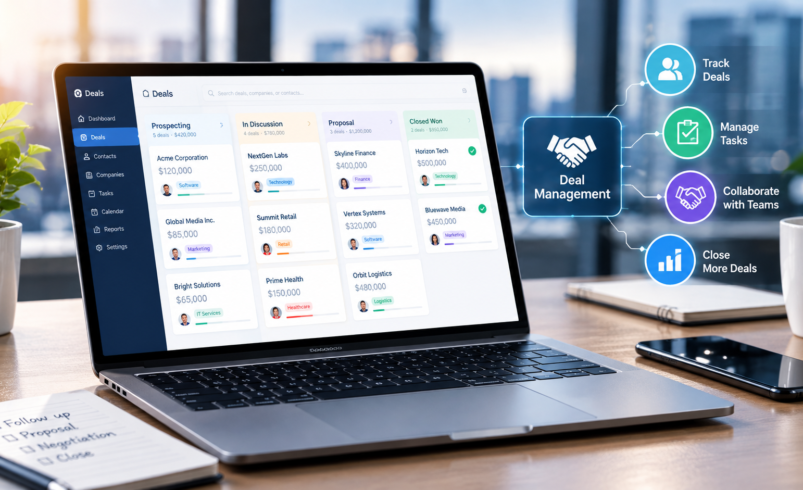
The Distribution management software provides a centralized environment for organizing distribution records, investor details, payment information, and transaction histories. Authorized employees can access relevant information without searching through multiple files.
For example, when a private equity fund prepares a distribution following an asset sale, the operations team can use centralized records to review the relevant investor accounts, distribution details, and supporting documentation.
A shared source of information also helps different departments work with consistent records. Finance, investor relations, and fund administration teams can coordinate their responsibilities more effectively when they have access to the same approved information.
Automate Distribution Calculations and Workflows
Distribution processes may involve several steps, including reviewing available proceeds, applying fund agreements, calculating investor entitlements, obtaining approvals, and preparing payments. Performing these activities manually can increase administrative workloads and introduce avoidable errors.
Distribution management software can support repeatable workflows and automate calculations based on configured rules. Depending on the platform, these capabilities may help teams apply investor allocations, organize distribution schedules, and prepare payment instructions for review.
For instance, a fund manager distributing proceeds from a realized investment may need to apply the fund’s agreed distribution waterfall. A suitable system can help model the relevant rules and calculate proposed allocations using validated inputs.
However, distribution waterfalls can involve complex provisions, including preferred returns, return-of-capital requirements, and carried interest. Calculations should be configured according to the governing fund documents and reviewed by qualified personnel before payments are approved.
Automation can reduce repetitive work, but appropriate validation and authorization remain essential for accurate distributions.
Improve Investor Payment Tracking
Tracking investor payments is an important responsibility for fund operations teams. Managers need to understand which distributions have been calculated, approved, initiated, completed, or delayed.
Distribution management software can help organize payment statuses and maintain records of relevant transactions. Where supported, integrations with banking platforms or accounting systems may provide additional visibility into payment processing and reconciliation.
This information allows teams to identify outstanding items and investigate exceptions more quickly.
For example, if a distribution payment has not been confirmed, an operations employee can review the transaction record, check the relevant payment status, and coordinate with the appropriate service provider.
Maintaining a clear audit trail also helps employees answer investor inquiries without reconstructing the payment history from separate email conversations and spreadsheets.
Strengthen Investor Communication
Investors expect timely and accurate information about distributions, payment schedules, and relevant fund activity. When communication depends on manually preparing updates for every investor, teams may face additional workloads during distribution periods.
Distribution management software can help organize investor contact information, distribution notices, payment details, and communication records. Depending on available features, it may also support automated notifications or integration with investor portals.
For example, after a distribution has been approved, a fund administrator may use the system to coordinate the preparation and delivery of investor notices containing the appropriate information.
Centralized communication records help teams confirm which information has been shared and respond more consistently to follow-up questions.
Investor communications should still be reviewed to ensure that amounts, dates, and other financial details are accurate. Sensitive information should only be distributed through approved channels to authorized recipients.
Simplify Reconciliation and Financial Reporting
Fund managers must reconcile distribution records with accounting information, bank transactions, and investor account balances. When data is maintained across disconnected applications, reconciliation can require repeated manual comparisons.
Distribution management software can help standardize transaction records and organize information needed for financial review. Integrations with accounting systems may further reduce duplicate data entry and improve consistency between operational and financial records.
For instance, after a fund distributes proceeds to investors, the finance team can compare approved distribution amounts with payment records and corresponding accounting entries.
Reporting capabilities can also help managers review distribution activity by fund, investor, transaction date, or payment status. These reports make it easier to identify discrepancies and prepare information for internal reviews.
Automated reports are most useful when the underlying data is complete and validated. Firms should establish clear reconciliation procedures and investigate differences before finalizing financial records.
Maintain Compliance and Audit Readiness
Distribution activities must follow the applicable fund agreements, internal approval procedures, and relevant legal and regulatory requirements. Fund managers also need reliable records to explain how distribution amounts were calculated and approved.
A suitable software platform can support these responsibilities by maintaining transaction histories, documenting approvals, controlling access to financial information, and preserving relevant records.
For example, when an investor asks how a distribution amount was determined, the operations team may need to review the allocation calculation, applicable fund provisions, and approval history.
Organized records can make this review more efficient and help firms prepare for internal audits or other oversight activities.
Software does not independently guarantee compliance. Fund managers should ensure that workflows reflect their governing documents and applicable obligations, while maintaining appropriate supervision over calculations, approvals, and payment execution.
Manage Distributions Across Multiple Funds
Investment firms managing several funds may face different distribution schedules, investor groups, allocation rules, and reporting requirements. Handling each fund through a separate manual process can make it difficult to maintain consistent operational standards.
Distribution management software can help teams organize activities by fund while maintaining appropriate separation between investor records and financial information.
For example, an operations team responsible for several private equity funds can use structured workflows to track each fund’s distribution calculations, approval status, and payment progress.
This visibility helps managers allocate resources, monitor upcoming deadlines, and identify outstanding tasks across their portfolios.
Standardized processes can also make it easier to onboard additional funds as the business grows. Rather than creating a new collection of spreadsheets for every fund, teams can reuse established workflows while configuring the rules and controls required for each investment vehicle.
Integrate Distribution Management With Fund Technology
Distribution tracking rarely operates in isolation. Fund managers may also use CRM systems, fund accounting software, investor portals, document management tools, and reporting applications.
When these systems do not communicate effectively, employees may need to enter the same information repeatedly or manually reconcile conflicting records.
Integrations can help connect distribution workflows with the broader fund operations environment. For example, linking distribution records with investor information and accounting systems can improve data consistency and reduce administrative effort.
Private markets technology platforms such as InvestorFlow can support connected investor relationship management and operational workflows. However, fund managers should verify whether a specific platform provides the distribution calculation, payment processing, and reconciliation capabilities their organization requires, either natively or through integrations.
Before selecting a solution, firms should evaluate data security, implementation requirements, reporting flexibility, audit trails, and compatibility with existing systems.
Use Automation to Support Scalable Fund Operations
As a fund manager’s portfolio grows, distribution activity can increase alongside the number of investors, transactions, and reporting requirements. Manual processes that work for a small operation may become difficult to maintain at a larger scale.
Distribution management software can help firms establish repeatable processes for reviewing calculations, routing approvals, tracking payments, and preparing reports. Workflow notifications can alert employees when an action is required, while standardized records make it easier to monitor progress.
To measure the impact of implementation, firms can monitor indicators such as processing time, reconciliation exceptions, manual data-entry requirements, and the number of outstanding payment tasks.
Reviewing these indicators helps managers identify where automation is delivering value and where additional process improvements are needed.
Conclusion
Distribution management software simplifies distribution tracking by centralizing records, supporting calculation workflows, improving payment visibility, and streamlining reconciliation. It can also help fund managers maintain better investor communication, strengthen audit trails, and coordinate distribution activities across multiple funds.
The most effective solution combines automation with accurate data, appropriate financial controls, and clearly defined approval responsibilities. By selecting technology that fits their operational requirements, fund managers can reduce administrative complexity and establish a more scalable approach to distribution management.