
Building a house on a limited budget doesn’t have to mean compromising on safety or long-term durability. With careful planning, the right sequencing of decisions, and smart material choices, it’s entirely possible to build a solid, comfortable home without unnecessary overspending. Here’s a practical guide to doing exactly that.
Start With a Realistic, Detailed Budget
Before anything else, break your total budget down by phase — grey structure, electrical, plumbing, finishing, and a contingency reserve. Many homeowners run into trouble not because their overall budget was too small, but because they didn’t allocate it properly across phases, leaving too little for finishing after overspending on the structure, or vice versa.
Keep Your Design Simple and Efficient
Architectural complexity directly drives up cost. A few practical design choices that reduce expenses without compromising livability:
⦁ A rectangular or near-rectangular footprint is more cost-efficient to build than designs with multiple curves or irregular angles.
⦁ Standard ceiling heights rather than dramatic double-height spaces reduce material and structural costs.
⦁ Fewer structural cantilevers and overhangs, which require additional reinforcement and formwork.
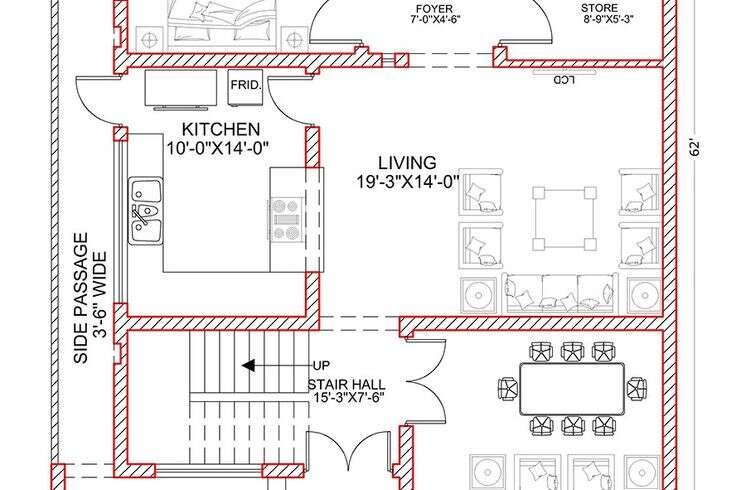
⦁ Efficient room layouts that minimize wasted circulation space.
Prioritize Structural Integrity First
This is not an area to economize on. Spend appropriately on foundation work, quality steel reinforcement, and proper concrete curing — these elements are essentially invisible once construction is complete, but cutting corners here creates risks and costs that are far more expensive to fix later than to do right the first time.
Choose Where to Economize Wisely
Not every finishing choice needs to be premium. Practical areas where cost savings make sense without significantly affecting your daily experience:
⦁ Standard-grade tiles in less-visible areas like utility rooms or storage spaces, reserving higher-quality tiles for main living areas.
⦁ Simple, clean paint finishes rather than elaborate textured or decorative treatments in secondary rooms.
⦁ Locally sourced materials where quality is comparable to imported alternatives, avoiding unnecessary import costs.
Areas Worth Investing In, Even on a Tight Budget
⦁ Waterproofing and roof insulation, since repairs from water damage or heat-related discomfort cost far more over time than the upfront investment.
⦁ Electrical wiring quality, since rewiring after finishing is complete is disruptive and expensive.
⦁ Bathroom and kitchen fixtures, which see the heaviest daily use and are costly to replace early.
Build in Phases If Necessary
If your budget is genuinely limited, consider completing the grey structure fully, then finishing the home room by room as funds allow, prioritizing essential living spaces first (bedrooms, one bathroom, kitchen) before less urgent areas like additional bathrooms or a guest room. This approach lets you move in sooner while spreading out the finishing budget over time.
Get Competitive, Itemized Quotations
Requesting itemized quotations from multiple contractors — broken down by material and labor cost per category — makes it far easier to spot where you can reasonably negotiate or substitute materials, compared to a single lump-sum figure that hides the details.
Avoid Costly Mid-Construction Changes
Design or material changes made after construction has started are one of the most common sources of budget overruns. Finalizing your floor plan, material specifications, and finishing choices before construction begins helps you avoid rework costs and material wastage.
Build In a Contingency Reserve
Even with the most careful planning, unexpected costs are common — a price increase in a key material, an unforeseen site condition, or a design adjustment. Setting aside roughly 10-15% of your total budget as a contingency reserve prevents these surprises from derailing your project or forcing rushed, poor-quality decisions to save money elsewhere.
Final Thoughts
A budget-friendly build is not about cutting costs everywhere — it’s about being strategic regarding where to invest and where to reasonably economize. Solid structural work, quality waterproofing, and good electrical planning are not the places to save money; simpler design choices, phased finishing, and smart material substitutions in lower-visibility areas are. With a clear, itemized budget and disciplined planning from the start, it’s entirely possible to build a safe, comfortable home without unnecessary financial strain.
How Can You Plan a Budget-Friendly House Construction in Pakistan?