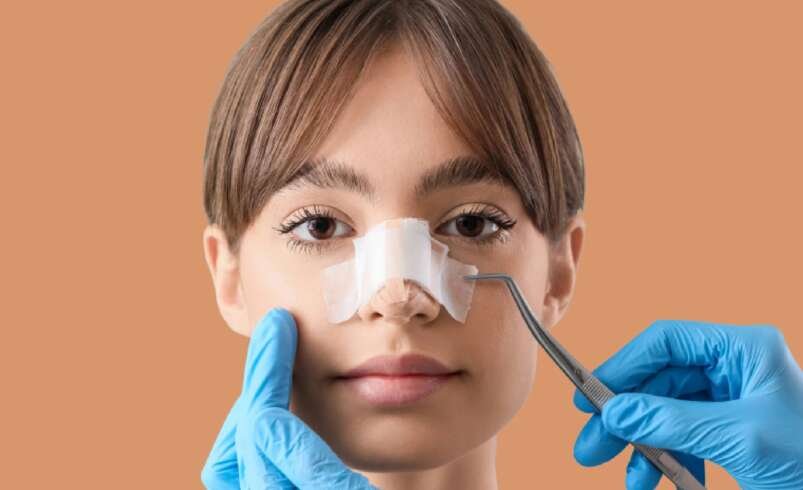

Internal nasal irregularities can affect breathing, sleep quality, and everyday comfort. One common cause is a deviated nasal septum, a condition in which the thin wall separating the two nasal passages is displaced from its central position. This can restrict airflow, contribute to nasal congestion, and sometimes worsen symptoms associated with allergies or sinus problems. Septoplasty in Dubai is a surgical procedure designed to correct structural abnormalities of the nasal septum and improve airflow through the nose.
At Perfect Doctors Clinic, patients can explore treatment options based on their nasal anatomy, breathing concerns, and overall health. Dr Perfect Celebrity can help patients understand the considerations involved in nasal septum correction, including the expected benefits, recovery process, and suitability for surgery. Understanding how septoplasty addresses internal irregularities can help individuals make informed decisions about their nasal health.
What Internal Nasal Irregularities Can Septoplasty Address?
The nasal septum consists of cartilage and bone that divide the nasal cavity into two passages. Ideally, this structure allows air to move through both sides with minimal resistance. However, developmental differences, previous injuries, or structural changes can cause the septum to become uneven.
Common irregularities include:
- Deviated nasal septum: The septum bends towards one side, reducing the available space for airflow.
- Cartilage displacement: Irregularly positioned cartilage can contribute to narrowing within the nasal passages.
- Bony deviations: Uneven sections of the septal bone may obstruct airflow and cause persistent congestion.
- Uneven nasal passages: Structural differences can make breathing easier through one nostril than the other.
These abnormalities may cause nasal blockage, mouth breathing, disturbed sleep, or difficulty breathing during physical activity. However, not every septal deviation requires surgery. Treatment depends on the severity of the obstruction, symptoms, and findings during a medical examination.
How Septoplasty in Dubai Corrects a Deviated Nasal Septum
Septoplasty in Dubai focuses on correcting the internal structure responsible for restricted nasal airflow. Unlike cosmetic rhinoplasty, which primarily changes the external appearance of the nose, septoplasty aims to improve nasal function.
During the procedure, the surgeon accesses the septum through an incision inside the nose. The deviated portions of cartilage or bone are carefully repositioned, reshaped, or selectively removed when necessary. The objective is to create a straighter septum while preserving sufficient structural support for the nose.
The precise technique depends on the location and extent of the irregularity. Some patients have a relatively minor deviation, while others have more complex abnormalities involving several sections of the septum.
Improving Airflow Through Both Nasal Passages
A deviated septum can reduce the space available for air to pass through one or both nostrils. By correcting the affected areas, surgery may reduce structural resistance and make nasal breathing more comfortable.
The degree of improvement depends on the original obstruction and whether other conditions, such as enlarged turbinates, chronic inflammation, or nasal allergies, are also present.
Preserving Nasal Structure
An important part of septal correction is maintaining adequate cartilage and bone support. Excessive removal of these structures can compromise nasal stability. Therefore, the surgical approach should address the deviation while preserving the framework needed to support the nose.
Who May Benefit from Septoplasty Surgery in Dubai?
People experiencing persistent nasal obstruction may benefit from an assessment for septoplasty. Common reasons for considering treatment include difficulty breathing through one nostril, recurring nasal blockage, sleep disruption associated with restricted airflow, or breathing difficulties following nasal trauma.
Patients who continue to experience symptoms despite appropriate medical management may also be evaluated for surgery.
However, nasal congestion does not always indicate a deviated septum. Allergic rhinitis, sinus inflammation, nasal polyps, and enlarged turbinates can produce similar symptoms. A clinical examination helps distinguish structural abnormalities from other causes.
A consultation with a qualified specialist can determine whether nose deviated septum surgery in Dubai is appropriate and whether additional treatment may be necessary to address associated nasal conditions.
How Is the Septoplasty Procedure in Dubai Planned?
Successful treatment begins with an assessment of the nasal passages and the patient’s symptoms. The consultation generally includes a review of medical history, previous nasal injuries, current medications, allergies, and breathing difficulties.
A physical examination may include looking inside the nose with appropriate instruments or using nasal endoscopy when indicated. Imaging is not routinely necessary for every patient but may be recommended when additional anatomical information is required.
The treatment plan considers several factors:
- The location and severity of the septal deviation.
- The extent of cartilage and bone involvement.
- The presence of enlarged turbinates or other nasal abnormalities.
- Previous nasal surgery or trauma.
- General health and suitability for anaesthesia.
- Expected functional improvements and realistic outcomes.
At Perfect Doctors Clinic, patients can discuss these considerations with Dr Perfect Celebrity to better understand their treatment options and the factors that may influence recovery.
Septoplasty Before and After Results: What Changes Can Patients Expect?
Septoplasty before and after results are primarily assessed through improvements in nasal function rather than changes in external appearance. Patients may experience easier breathing, reduced obstruction, and improved comfort when the septal deviation is the main cause of their symptoms.
However, results vary according to the original anatomy and the presence of other conditions. Septoplasty does not directly treat every cause of nasal congestion, and it cannot guarantee the complete elimination of breathing difficulties.
The procedure generally does not change the external shape of the nose. When a patient also wants to address external structural concerns, a separate discussion about rhinoplasty or combined functional and cosmetic surgery may be appropriate.
It is important to understand that improvement develops gradually as swelling subsides. The final functional outcome can take time to assess, and follow-up appointments help monitor healing.
Septoplasty Recovery in Dubai: What Should Patients Know?
Septoplasty recovery in Dubai varies according to the surgical technique, the extent of correction, and individual healing patterns. Many patients can return to light daily activities within about a week, although recovery instructions differ between individuals.
During the initial recovery period, temporary nasal congestion, mild discomfort, swelling, and a small amount of bleeding may occur. These symptoms generally improve as healing progresses.
Patients are commonly advised to:
- Follow all postoperative instructions and attend scheduled follow-up visits.
- Avoid forcefully blowing the nose until the surgeon confirms it is safe.
- Avoid strenuous exercise and heavy lifting for the recommended period.
- Use prescribed medications and saline sprays or rinses as directed.
- Avoid manipulating the nose or inserting objects into the nasal passages.
- Contact their healthcare provider if they experience heavy bleeding, worsening pain, fever, or difficulty breathing.
Patients should not judge their final results during the early healing period because swelling and internal inflammation can temporarily affect airflow.
Septoplasty Cost in Dubai: What Influences the Price?
The Septoplasty cost in Dubai depends on several factors, including the complexity of the deviation, the surgical technique, anaesthesia requirements, facility charges, and postoperative care.
The quoted cost may also differ when additional procedures are needed to address other nasal abnormalities. Patients should confirm what is included in the proposed treatment plan, such as consultation fees, investigations, surgery, medications, and follow-up appointments.
The indicative price range is AED 19,999 to AED 25,000. Actual charges may vary depending on individual requirements and the final treatment plan.
When researching the Septoplasty Dubai price, patients should consider the surgeon’s qualifications, the suitability of the recommended procedure, and the quality of postoperative care rather than choosing treatment on price alone.
Choosing the Best Septoplasty Surgeon in Dubai
Selecting the Best Septoplasty Surgeon in Dubai involves evaluating experience with functional nasal surgery, understanding the proposed technique, and discussing the potential benefits and risks.
Patients may wish to ask how the deviation will be corrected, whether additional nasal conditions require treatment, what recovery involves, and what limitations may affect the final outcome.
Searching for the best septoplasty surgeons in Dubai can be a starting point, but an individual consultation remains essential. The right treatment plan should reflect the patient’s anatomy, symptoms, medical history, and expectations.
At Perfect Doctors Clinic, patients can discuss their concerns with Dr Perfect Celebrity and learn about appropriate options for nasal septum correction in Dubai.
Conclusion
Internal nasal irregularities can interfere with breathing and affect everyday comfort. Septoplasty addresses these problems by correcting the position of the nasal septum and improving the space available for airflow. The procedure may be beneficial for patients whose persistent symptoms are caused by a structural deviation.
Through appropriate assessment, personalised surgical planning, and careful postoperative care, Septoplasty in Dubai can help suitable patients achieve improved nasal function. Understanding the procedure, expected recovery, potential risks, and associated costs allows patients to make informed decisions about their treatment.
Frequently Asked Questions About Septoplasty in Dubai
1. What is Septoplasty in Dubai used to treat?
Septoplasty is used to correct a deviated nasal septum that restricts airflow through the nasal passages. It may help improve breathing when structural abnormalities are responsible for nasal obstruction.
2. Can septoplasty correct all internal nasal irregularities?
Septoplasty corrects abnormalities involving the nasal septum. Other problems, such as enlarged turbinates, nasal polyps, or inflammation, may require additional or alternative treatment.
3. Is septoplasty different from rhinoplasty?
Yes. Septoplasty primarily corrects the internal nasal septum to improve breathing. Rhinoplasty primarily changes the external shape of the nose, although functional and cosmetic procedures can sometimes be combined.
4. How long does Septoplasty recovery in Dubai take?
Many patients return to light activities within about a week. However, internal healing and the gradual improvement of swelling can take several weeks or longer, depending on the individual and the complexity of surgery.
5. Does septoplasty change the external appearance of the nose?
Septoplasty generally does not change the external shape of the nose. Significant changes to its appearance usually require rhinoplasty or another specifically planned procedure.
6. What is the Septoplasty cost in Dubai?
The indicative price range is AED 19,999 to AED 25,000. The final cost depends on the complexity of the procedure, anaesthesia, facility charges, and any additional treatment required.
7. Can septoplasty improve sleep quality?
It may improve sleep comfort when nasal obstruction caused by a deviated septum interferes with breathing. However, it does not treat every sleep disorder, and the outcome depends on the underlying cause.
8. Is septoplasty suitable for patients with nasal allergies?
Patients with nasal allergies may be suitable candidates if a deviated septum also contributes to their obstruction. However, septoplasty does not cure allergies, so appropriate allergy management may still be necessary.
9. How can patients choose the best septoplasty doctors in Dubai?
Patients should consider relevant surgical qualifications of the Best Doctors in Dubai, experience with functional nasal procedures, the proposed treatment plan, clear communication about risks, and access to appropriate postoperative follow-up.
10. What should patients expect during a septoplasty consultation in Dubai?
A consultation generally includes a review of symptoms and medical history, examination of the nasal passages, discussion of treatment options, and an explanation of expected benefits, risks, recovery requirements, and costs.