

When you decide to remove an old, unwanted or damaged vehicle, one of the first questions that comes to mind is how much it is worth. The value of an old car is not based on its age alone. Several factors, including its condition, make, model, demand, usable parts and scrap value, can influence the amount offered.
For people considering car removal Sydney, understanding these factors can make the valuation process easier. Removal companies generally assess the vehicle based on its current condition and the potential value they can recover from it. Even a car that no longer runs may still have valuable components or recyclable materials.
Age and Overall Condition
The age of a vehicle is one factor used when determining its value, but it is not the only consideration. Older vehicles may have lower resale values, particularly when they have significant wear and tear. However, a well-maintained older car can still attract a reasonable offer if its parts remain useful and there is demand for the model.
The overall condition is also important. A vehicle with a functioning engine, transmission, interior and electrical system may be worth more than a severely damaged vehicle of the same age.
Make, Model and Vehicle Demand
The make and model can have a noticeable impact on the value of an old car. Some vehicles have strong demand for replacement parts, which can increase their value even when they are no longer suitable for regular driving.
Popular models may contain components that are easier to resell, such as engines, transmissions, doors, headlights, wheels and electronic systems. Less common vehicles can have a different valuation depending on parts availability and buyer demand.
Running or Non-Running Condition
Whether the vehicle starts and drives can affect its value. A running car may have greater resale potential, while a non-running vehicle may primarily be valued for its usable parts and recyclable materials.
However, a car does not necessarily become worthless because it cannot be driven. Engines, gearboxes, catalytic converters, batteries, wheels and other components may still have value depending on their condition.
Damage and Repair Requirements
The type and extent of damage are also considered during valuation. Minor body damage may have a different effect on value compared with major accident damage, flood damage or serious mechanical failure.
Removal companies may consider whether repairing or dismantling the vehicle is economically practical. The more extensive the repairs required, the more the valuation may depend on parts and scrap rather than the vehicle’s potential resale value.
Parts That Can Be Reused
An old vehicle can contain many components that remain useful even when the car itself is no longer roadworthy. Usable parts may include:
- Engine components
- Gearboxes and transmissions
- Wheels and tyres
- Alternators and starters
- Doors, bonnets and panels
- Seats and interior components
- Lights and mirrors
- Electrical and electronic components
The condition and demand for these parts can contribute to the vehicle’s overall removal value.
Scrap Metal Value
Scrap metal is another important factor. Vehicles contain steel, aluminium, copper and other recyclable materials. When a car has little resale or parts value, its recyclable materials can still contribute to the final offer.
Scrap prices can change over time, so the material value of a vehicle may vary depending on current market conditions. The amount of recyclable metal in the vehicle and its overall weight can also be considered.
Complete or Incomplete Vehicle
A complete vehicle may receive a different valuation from one that has already had major components removed. Missing engines, catalytic converters, wheels or other valuable parts can reduce the potential value.
For this reason, it is useful to provide accurate information about the vehicle before receiving a quote. Details such as missing parts, damage and mechanical condition can help create a more accurate assessment.
Location and Removal Requirements
The vehicle’s location can also be relevant to the final amount. Removal companies need to consider the equipment, labour and transport required to collect the car.
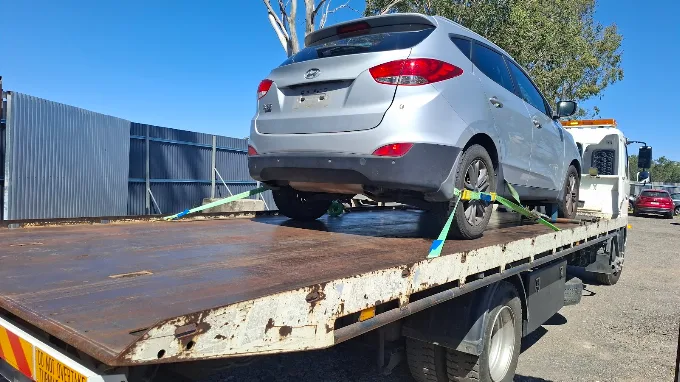
A vehicle that is easily accessible may be simpler to collect than one located in a restricted area, underground car park or difficult-to-access property. If specialised equipment is required to move a non-running vehicle, this may also be considered as part of the removal process.
Vehicle Documentation
The available paperwork can help establish basic information about the vehicle, including its make, model, year and identification details. Having accurate vehicle information available can make the valuation process more straightforward.
Owners should also follow the applicable requirements for transferring ownership, cancelling registration and disposing of the vehicle according to local regulations.
How to Get a More Accurate Valuation
Providing complete and honest information is one of the easiest ways to receive a realistic estimate. When requesting a quote, provide the vehicle’s make, model, year, condition, running status and major damage details.
Photos can also help a removal company understand the vehicle’s condition before arranging collection. Clear photographs of the exterior, interior, engine area and damaged sections can reduce uncertainty and make the initial assessment more useful.
Final Thoughts
The value of an old car for removal depends on a combination of factors rather than one simple calculation. Age, condition, make and model, usable parts, damage, scrap materials, completeness and removal requirements can all contribute to the final valuation.
Even a vehicle that has stopped running may still have value. Understanding what affects the assessment can help owners provide the right information and have a clearer idea of what to expect when arranging old car removal.