

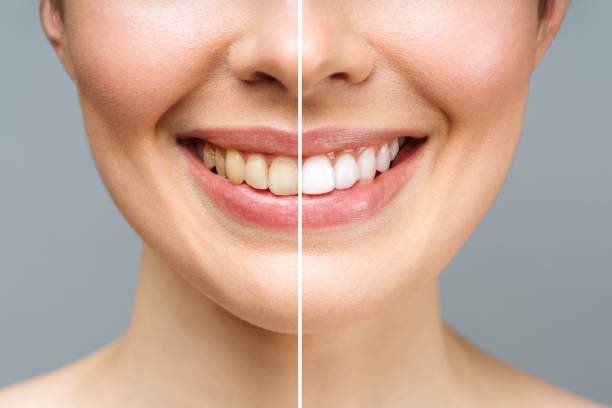

A bright smile can gradually lose its appearance because of coffee, tea, tobacco, certain foods, aging, and other sources of staining. Professional teeth whitening can help remove many surface and deeper stains, but one common question remains: how often can you safely repeat the treatment?
There is no universal schedule that works for everyone. The appropriate frequency depends on the whitening method, the condition of your teeth and gums, the level of discoloration, and how long your results remain satisfactory. Understanding these factors can help you avoid unnecessary treatments while keeping your smile looking bright.
Why Does Teeth Whitening Need to Be Repeated?
Professional whitening does not permanently prevent teeth from becoming stained again. Even after successful treatment, teeth remain exposed to foods, drinks, tobacco, and other factors that can gradually affect their color.
Coffee and tea contain pigments that can contribute to discoloration over time. For those considering Teeth Whitening in Riyadh, smoking and tobacco use can also cause noticeable staining. Natural aging may further change the color of teeth as enamel becomes thinner and the underlying dentin becomes more visible.
Because these factors continue after treatment, occasional maintenance may be necessary. However, repeating whitening too frequently does not necessarily produce better results and may increase the likelihood of sensitivity or irritation.
How Often Can Professional Whitening Usually Be Done?
The ideal interval depends on the treatment used and your dentist’s assessment. Many people do not need professional whitening frequently because the effects can remain noticeable for months or longer when appropriate oral hygiene and lifestyle habits are maintained.
Instead of scheduling treatments automatically every few weeks, it is better to evaluate whether your teeth have actually developed enough new staining to justify another session.
Your dentist can examine your teeth and determine whether additional whitening is appropriate. If your teeth are already close to your desired shade, another treatment may provide limited additional benefit.
Why Should You Avoid Whitening Too Frequently?
Whitening products are designed to alter the appearance of dental discoloration, but repeated or inappropriate use can contribute to problems such as temporary tooth sensitivity and gum irritation.
Some people naturally have more sensitive teeth than others. If you already experience sensitivity, frequent whitening may make discomfort more noticeable.
Professional supervision is useful because a dentist can determine whether your teeth and gums are healthy enough for another whitening treatment. They can also identify whether the discoloration is caused by stains that whitening can address or by another issue requiring different treatment.
What Happens If Your Teeth Become Sensitive?
Sensitivity is one of the most common temporary concerns associated with teeth whitening. You may notice discomfort when consuming hot, cold, sweet, or acidic foods and drinks.
For many people, sensitivity improves after the whitening treatment ends. However, persistent or severe sensitivity should not simply be ignored.
If sensitivity occurs after treatment, your dentist can recommend appropriate measures based on its cause and severity. They may also suggest adjusting the timing or frequency of future whitening sessions.
This is another reason why repeating professional whitening should be based on your individual dental condition rather than an arbitrary schedule.
Does Your Lifestyle Affect How Often You Need Whitening?
Yes. Your daily habits can significantly influence how long your whitening results remain visible.
People who regularly consume coffee, tea, cola, or other strongly pigmented drinks may notice staining sooner. Tobacco use can also contribute to discoloration. On the other hand, people who limit staining substances and maintain good oral hygiene may be able to enjoy their results for longer.
This does not mean you necessarily need to eliminate every food or drink you enjoy. Moderating staining habits and following good dental hygiene can help reduce the rate at which new discoloration develops.
How Can You Make Whitening Results Last Longer?
Good oral hygiene is one of the simplest ways to maintain a brighter smile. Brushing your teeth regularly with an appropriate fluoride toothpaste and cleaning between your teeth can help remove plaque and reduce the buildup of surface stains.
Regular dental checkups and professional cleanings can also help manage plaque and calculus that may make teeth appear less bright.
After whitening, your dentist may provide additional recommendations based on your individual situation. Following these instructions can help you maintain the results and reduce the need for unnecessary repeat treatments.
Can Professional Whitening Be Used for Every Type of Stain?
Not all tooth discoloration responds equally to whitening. Surface stains caused by foods, drinks, and tobacco may respond well to professional whitening. However, some intrinsic discoloration may be more difficult to treat.
Existing fillings, crowns, veneers, and other restorations also do not whiten in the same way as natural teeth. If you have visible dental restorations, whitening your natural teeth could create a difference in shade.
A dental assessment before treatment can help identify the cause of discoloration and determine whether professional whitening is likely to produce the result you want.
What If Whitening Does Not Give You the Desired Shade?
If your teeth do not reach your preferred shade after professional whitening, repeating the procedure immediately is not always the best solution.
Your dentist may first determine whether additional staining remains or whether the discoloration has another cause. They can also assess the health of your enamel and gums before recommending further treatment.
In some cases, an alternative cosmetic dental treatment may be more appropriate, particularly when discoloration is not responsive to conventional whitening.
The goal should be to achieve a natural and healthy-looking result while protecting your dental health.
Does Age Affect Whitening Frequency?
Age can influence how teeth respond to whitening. As people get older, enamel naturally becomes thinner, allowing more of the yellowish dentin underneath to show through.
Older teeth may therefore have a different baseline color and may respond differently to whitening than younger teeth. Existing dental work and changes in oral health can also influence treatment decisions.
For this reason, age alone should not determine how often you whiten your teeth. A dentist can evaluate the condition of your enamel, gums, and existing restorations before recommending another session.
When Should You Schedule Your Next Whitening Treatment?
Rather than scheduling professional whitening based solely on a calendar, consider the appearance of your teeth and the advice of your dentist. If your smile remains bright and you are satisfied with the result, another treatment may not be necessary.
When noticeable staining returns, a dental professional can assess whether another whitening session is appropriate. They can also determine whether a cleaning or a change in your oral hygiene routine could address the problem without requiring another whitening procedure.
This approach can help you maintain your smile without unnecessarily exposing your teeth to repeated whitening treatments.
Why Is a Dental Consultation Important?
A consultation allows your dentist to identify potential problems before whitening. Cavities, gum disease, enamel damage, exposed tooth surfaces, and other dental concerns may need attention before cosmetic whitening.
Your dentist can also discuss your desired shade and explain what level of improvement is realistically possible. This is particularly important if you have restorations or significant discoloration.
For patients seeking Teeth Whitening in Riyadh, professional guidance can help create a treatment plan based on dental health, lifestyle, and cosmetic goals.
How Can You Maintain a Brighter Smile Between Treatments?
Maintaining your results does not require constant whitening. Regular brushing, cleaning between the teeth, professional dental cleanings, and sensible dietary habits can help preserve a brighter appearance.
If you drink coffee or tea frequently, reducing exposure or rinsing your mouth with water afterward may help limit the accumulation of stains. Avoiding tobacco can also reduce future discoloration and support overall oral health.
Most importantly, do not rely on frequent whitening to compensate for habits that continuously cause staining.
Final Thoughts
Professional teeth whitening can provide a noticeable improvement in tooth color, but the treatment should not necessarily be repeated at short intervals. How often you can whiten your teeth depends on your dental health, the whitening method, lifestyle habits, and how your teeth respond to treatment.
If your smile has become stained again, the safest approach is to consult a dentist before booking another session. A professional can determine whether whitening is appropriate, identify the cause of discoloration, and recommend a suitable maintenance schedule.
By combining professional dental care with good oral hygiene and sensible lifestyle habits, you can help your whitening results last longer and avoid unnecessary treatments. The goal is not to whiten your teeth as often as possible, but to maintain a healthy, natural-looking smile while protecting your enamel and gums.