
A dead car battery can disrupt your plans without warning. Your vehicle may refuse to start after sitting overnight, running accessories too long, or experiencing extreme temperatures. These problems can happen in a driveway, parking lot, or roadside location. Fortunately, a professional jump-start can often get your vehicle running again.
A reliable jump start service provides help when your battery cannot supply enough power to start the engine. However, the correct procedure matters. Incorrect connections can damage electrical components or create safety risks. Jay Fam Towing helps drivers in Atlantic Beach, FL, handle unexpected battery problems with practical roadside assistance.
Before requesting help, it helps to understand why batteries lose power and what a technician checks. You should also know when a jump-start can solve the problem and when your vehicle needs further attention. This guide covers the process, common warning signs, safety considerations, and useful battery care tips. With the right information, you can make a safer decision when your vehicle will not start.
Common Reasons Your Car Battery Loses Power
A car battery supplies the electrical energy needed to start the engine. It also supports lights, security systems, and other electrical components. Over time, batteries lose their ability to hold a charge. However, several everyday issues can cause a sudden failure.
Leaving headlights or interior lights on can drain a battery while the engine remains off. Likewise, short trips may not give the charging system enough time to restore the energy used during startup.
Hot weather can also shorten battery life. High temperatures may speed up internal battery wear, while corrosion can interfere with electrical connections.
Common warning signs include:
- Slow engine cranking when turning the key.
- Dim headlights or dashboard lights.
- Clicking sounds without the engine starting.
- Electrical accessories that work inconsistently.
- A battery warning light while driving.
Furthermore, a loose terminal or failing alternator may create symptoms similar to a weak battery. Therefore, repeated starting problems deserve professional attention.
A jump-start may restore temporary power, but it does not repair a damaged battery or charging system. Identifying the cause helps prevent another breakdown.
How a Professional Jump Start Service Works
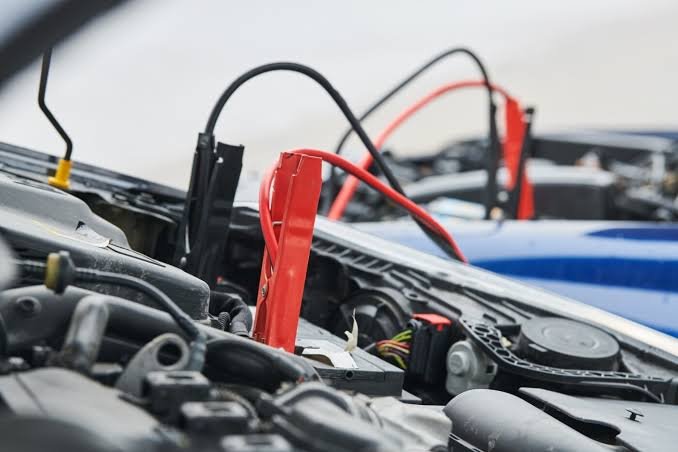
A proper jump-start uses an external power source to provide enough electricity for the engine to start. A trained roadside technician checks the situation before connecting equipment.
An expert jump start service begins with a basic safety assessment. The technician checks the battery for visible damage, leakage, corrosion, and other warning signs. A swollen, cracked, or leaking battery should not receive a routine jump-start.
Next, the technician confirms the correct connection points and uses suitable equipment. This step matters because modern vehicles may have sensitive electronic systems.
A typical service includes:
- Confirming the vehicle’s battery voltage and connection points.
- Checking for visible battery damage.
- Using compatible jump-start equipment.
- Following the correct connection sequence.
- Confirming that the engine starts safely.
Additionally, the technician may recommend a battery or charging-system test if the vehicle continues to struggle.
Drivers should avoid improvising with damaged cables or incorrect connections. Professional assistance reduces the risk of sparks, electrical damage, and accidental short circuits.
Finding Jump Start Near Me in Atlantic Beach
When your vehicle will not start, getting help nearby can save time and reduce stress. However, choosing a roadside provider involves more than searching for the closest available service.
A search for jump start near me can produce several local options. Compare their service details and confirm that they can assist with your vehicle type and location.
Clear communication also helps the technician arrive prepared. Share your vehicle’s make, model, parking location, and symptoms when requesting help.
Keep these five points in mind:
- Confirm that the provider offers battery jump-start assistance.
- Share your exact roadside or parking location.
- Explain whether the vehicle makes a clicking sound or cranks slowly.
- Ask about estimated arrival time and service charges.
- Mention any visible battery damage or unusual electrical behavior.
Moreover, check whether your vehicle uses a standard 12-volt battery or a different system. Some hybrid and electric vehicles require special procedures.
A nearby provider may offer convenient support, but proper equipment and safe handling matter just as much. Always follow your vehicle manufacturer’s instructions.
Battery Jump Start Safety and Best Practices
Jump-starting involves electrical connections that require care. A mistake can cause sparks, battery damage, or injury. Therefore, drivers should understand basic safety precautions before attempting the process.
A professional battery jump start uses suitable equipment and follows the vehicle manufacturer’s instructions. The technician identifies the positive and negative terminals or approved connection points before connecting the power source.
Never attempt a jump-start if the battery appears frozen, cracked, swollen, or leaking. Additionally, keep flames, cigarettes, and sparks away from the battery area.
Remember these practical safety steps:
- Park vehicles safely and apply the parking brakes.
- Switch off ignition and electrical accessories.
- Use cables or equipment rated for the vehicle.
- Keep cable clamps away from moving engine parts.
- Follow the manufacturer’s connection and removal sequence.
You can read more about automotive batteries to understand their role in vehicle starting and electrical systems.
Modern vehicles may have designated jump-start terminals. Consequently, checking the owner’s manual is essential. If you are unsure about the connection points, contact a qualified roadside technician instead.
When a Vehicle Jump Start Is Not Enough
A successful start does not always mean the battery has recovered. Sometimes, the battery has reached the end of its useful life. Other times, a charging-system problem prevents it from maintaining power.
A professional vehicle jump start can help determine whether the engine responds to an external power source. However, repeated battery failures often indicate a deeper issue.
For example, a faulty alternator may fail to recharge the battery while driving. Corroded terminals can also interrupt the flow of electricity.
Watch for these signs after a jump-start:
- The engine stalls shortly after starting.
- The battery warning light stays illuminated.
- The vehicle needs another jump within a short period.
- Headlights dim while the engine runs.
- Electrical systems behave unpredictably.
Furthermore, avoid assuming that a longer drive will fix every weak battery. A damaged battery may need replacement, while an alternator problem requires separate repairs.
Jay Fam Towing can assist drivers with roadside battery issues and help them consider the next step when a vehicle will not start.
Car Battery Jump Start Prevention and Maintenance
Regular battery care can reduce unexpected starting problems. Although no battery lasts forever, simple habits can help maintain reliable performance.
A dependable car battery jump start may get you moving, but prevention remains the better approach. Check your battery periodically and address warning signs before they become emergencies.
Use these five maintenance habits:
- Turn off headlights and accessories before leaving the vehicle.
- Keep battery terminals clean and free from corrosion.
- Check battery condition during routine vehicle maintenance.
- Replace an aging battery when testing shows poor performance.
- Drive regularly enough to support normal battery charging.
Additionally, ask a mechanic to test the alternator and charging system if the battery repeatedly loses power. Extreme heat in Florida can also affect battery condition, so regular inspections are useful.
If you plan to leave your vehicle unused for an extended period, ask about suitable battery maintenance options. A battery maintainer may help in some situations.
Good maintenance cannot prevent every breakdown. However, it can reduce avoidable battery failures and help you recognize problems earlier.
Conclusion
A dead battery can leave you stranded at an inconvenient time. Understanding common battery problems helps you respond calmly and choose the right assistance. A professional jump-start can restore power when the battery lacks enough energy to start the engine. However, recurring problems may point to battery damage, loose connections, or charging-system failure.
Drivers should never ignore warning signs or attempt unsafe electrical connections. Instead, check the vehicle manual and seek professional help when necessary. Regular inspections and basic battery care can also reduce unexpected starting issues.
For dependable expert car battery jump start assistance in Atlantic Beach, FL, consider a roadside provider that uses suitable equipment and follows safe procedures. Share your vehicle details and location clearly when requesting help. Most importantly, remember that a jump-start is often a temporary solution. A proper battery and charging-system check can help prevent another roadside interruption.
FAQs
How long does a car jump-start usually take?
The connection and starting process often takes only a few minutes. However, the total service time depends on vehicle access and battery condition.
Can a jump-start damage my vehicle?
Incorrect connections can damage electrical components. Following manufacturer instructions and using compatible equipment helps reduce this risk.
How do I know if my battery needs replacement?
Frequent starting problems, poor battery test results, and repeated loss of charge may indicate that replacement is necessary.
Will my car keep running after a jump-start?
Usually, the engine can continue running if the charging system works correctly. However, a weak battery or alternator problem may cause another failure.
Should I drive after receiving a jump-start?
Follow the technician’s advice and your vehicle manufacturer’s guidance. Have the battery and charging system tested if the vehicle shows repeated starting problems.