
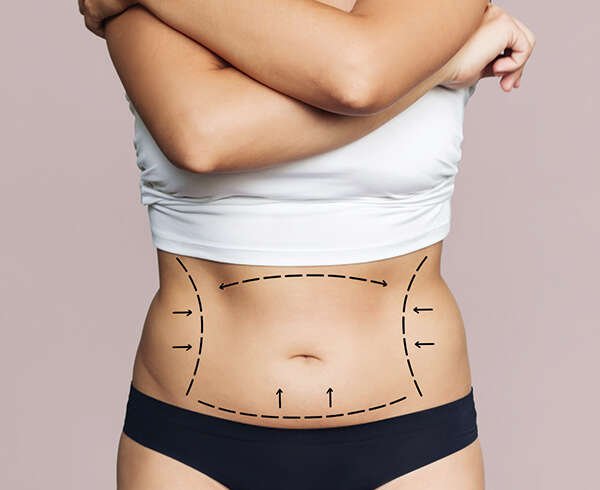

A flatter, more defined abdomen is an aesthetic goal for many people, particularly when exercise and healthy lifestyle habits have not changed a small amount of loose skin or localised fullness in the lower abdominal area. While a full tummy tuck addresses a larger portion of the abdomen, a mini tummy tuck is designed to focus primarily on the area below the belly button.
For people considering Mini Tummy Tuck Dubai, understanding what the procedure can and cannot address is an important part of choosing the right approach. The procedure is generally considered when concerns are concentrated in the lower abdomen and the amount of excess skin or tissue does not require a full abdominoplasty.
At Cornerstone, the treatment plan can be personalised according to the individual’s abdominal anatomy, skin quality, amount of excess tissue, and desired contour. Rather than focusing only on making the abdomen smaller, the objective is to improve the shape and proportions of the lower abdominal area.
What Is a Mini Tummy Tuck?
A mini tummy tuck, also known as a mini abdominoplasty, is a surgical procedure primarily designed to improve the appearance of the lower abdomen.
Compared with a traditional tummy tuck, the procedure generally involves a more limited treatment area. The surgeon focuses mainly on the abdominal region below the belly button, where loose skin or localised fullness may be present.
Depending on the individual’s anatomy, the procedure may involve removing a portion of excess lower-abdominal skin and tightening selected tissues. The exact technique varies from patient to patient.
The suitability of a mini tummy tuck depends on where the excess skin and tissue are located. If concerns extend substantially above the belly button, another approach may be more appropriate.
Why Does the Lower Abdomen Change Over Time?
The lower abdomen can change for several reasons. Pregnancy, fluctuations in body weight, ageing, genetics, and changes in skin elasticity can all influence abdominal contours.
Sometimes the abdominal skin becomes less firm and does not completely retract after weight changes. In other cases, a person may have a small area of persistent lower-abdominal fullness despite maintaining a stable lifestyle.
These changes can make the lower abdomen appear less smooth or defined.
A mini tummy tuck is designed to address selected concerns in this region by removing excess skin and improving the contour of the treated area.
How Can a Mini Tummy Tuck Improve the Lower Abdomen?
The primary objective of a mini tummy tuck is to refine the appearance of the lower abdominal area.
By addressing excess skin and selected underlying tissues, the procedure can create a smoother transition across the lower abdomen. The result can make the abdominal area appear more streamlined and proportionate.
The improvement is not necessarily about removing a large amount of tissue. Instead, the procedure focuses on the specific area where excess skin or laxity is concentrated.
This makes the technique particularly relevant for people whose concerns are mainly located beneath the belly button.
Who May Consider a Mini Tummy Tuck?
A mini tummy tuck may be considered by individuals who have relatively localised concerns in the lower abdomen.
A person may be interested in the procedure if they have:
- A small amount of excess lower-abdominal skin
- Localised skin laxity below the belly button
- A lower-abdominal contour that does not respond to lifestyle changes
- A desire for a more streamlined abdominal profile
- Relatively limited concerns above the belly button
However, suitability cannot be determined from these characteristics alone. A consultation is necessary to assess the abdominal tissues and determine whether a mini tummy tuck is appropriate.
Mini Tummy Tuck vs Full Tummy Tuck
One of the most important distinctions is the area each procedure addresses.
A mini tummy tuck concentrates primarily on the lower abdomen. A full tummy tuck generally addresses a broader area and may involve the abdominal region above and below the belly button.
The choice depends on the distribution of excess skin and tissue.
If the main concern is a small amount of loose skin below the belly button, a mini procedure may provide an appropriate treatment approach. If excess skin extends across a larger portion of the abdomen, a full tummy tuck may be considered instead.
The surgeon’s assessment helps determine which procedure corresponds more closely with the patient’s anatomy.
Can a Mini Tummy Tuck Improve Abdominal Skin?
Yes, improving the appearance of excess lower-abdominal skin is one of the main reasons people consider the procedure.
When skin has lost some of its elasticity, it may hang or fold across the lower abdomen. Removing selected excess skin can create a smoother surface.
The extent of improvement depends on how much excess skin is present and its location.
A mini tummy tuck is not intended to remove all abdominal skin. Its focus is more specific, making the assessment of the lower abdominal area particularly important.
Can It Improve Lower-Abdominal Contour?
A mini tummy tuck can refine the contour of the lower abdomen by addressing excess skin and selected underlying tissues.
The surgeon evaluates the transition between the lower abdomen and surrounding areas when planning the procedure. The objective is to create a balanced contour rather than simply removing tissue from one isolated point.
Body proportions also influence how the abdomen looks after surgery. A well-planned procedure takes these proportions into account when determining how much tissue should be addressed.
What Happens to the Belly Button?
Because a mini tummy tuck generally concentrates below the belly button, the belly button usually does not require the same repositioning associated with many full tummy tuck procedures.
However, the exact technique depends on the individual’s anatomy and the amount of tissue being treated.
During a consultation, the surgeon can explain whether the belly button is expected to be affected and how the planned technique relates to its existing position.
Can a Mini Tummy Tuck Tighten Abdominal Muscles?
The abdominal muscles are an important consideration when determining whether a mini tummy tuck is appropriate.
In selected cases, the surgeon may address muscle laxity in the lower abdominal region as part of the procedure. However, the extent and type of muscle correction depend on individual anatomy.
A full tummy tuck may be more appropriate when significant muscle separation or laxity extends across a larger portion of the abdomen.
This distinction is one reason an in-person assessment is important before selecting a procedure.
What Role Does Skin Elasticity Play?
Skin elasticity can influence the appearance of the abdomen and the extent of improvement achievable through surgery.
When skin has good elasticity, it may adapt more readily to changes in the underlying contour. When elasticity is reduced, excess skin can remain more noticeable.
A surgeon evaluates the quality and distribution of abdominal skin when determining whether a mini tummy tuck is appropriate.
The goal is to match the procedure to the patient’s actual tissue characteristics rather than selecting a technique solely according to the amount of desired reduction.
Can Weight Affect the Decision?
Body weight and weight stability can be relevant when considering abdominal contour surgery.
Significant fluctuations in weight can alter the amount of skin and tissue around the abdomen. For this reason, maintaining a relatively stable weight is often an important consideration when planning an elective body-contouring procedure.
A consultation can help determine whether the current abdominal contour is suitable for treatment and whether the patient’s goals align with what a mini tummy tuck can address.
What Happens During a Mini Tummy Tuck Consultation?
A consultation allows the surgeon to assess the lower abdomen and understand the patient’s aesthetic objectives.
The assessment may consider:
- The location of excess skin
- The degree of lower-abdominal laxity
- Existing abdominal contour
- Skin elasticity
- The position of the belly button
- Abdominal muscle condition
- Body proportions
- Previous abdominal procedures
- The patient’s desired appearance
The surgeon can then explain whether a mini tummy tuck is suitable or whether another approach would better address the area of concern.
At Cornerstone, discussing the desired abdominal shape is an important part of developing a personalised treatment plan.
How Is the Surgical Approach Planned?
The surgical plan is based on the individual’s anatomy rather than a standard template.
The surgeon considers where excess tissue is located and how much correction is needed. The position and length of the incision, the amount of skin removal, and any additional tissue adjustment are determined according to the treatment plan.
The objective is to create an improved lower-abdominal contour while maintaining appropriate proportions with the rest of the abdomen.
This personalised approach is particularly important because lower-abdominal concerns can vary significantly from one person to another.
What Kind of Abdominal Appearance Can Be Expected?
The intended appearance after a mini tummy tuck is generally a smoother and more refined lower abdomen.
For someone with localised excess skin, removing that tissue can make the area appear flatter and more streamlined. The degree of visible change depends on the starting anatomy and the amount of tissue that can appropriately be addressed.
It is important to understand that a mini tummy tuck is a contouring procedure rather than a general weight-loss treatment.
Its purpose is to refine a specific area of the abdomen rather than replace healthy lifestyle habits.
How Does a Mini Tummy Tuck Differ From Liposuction?
Liposuction primarily removes localised fat, whereas a mini tummy tuck is mainly concerned with excess skin and abdominal contour.
Some individuals have loose skin without a significant amount of excess fat. Others may have localised fat but relatively firm skin.
These situations can require different approaches.
In selected cases, procedures may be combined, but the appropriate treatment depends on the individual’s anatomy and goals. A consultation helps distinguish whether the primary concern is skin, fat, tissue laxity, or a combination of factors.
What Should You Consider Before Choosing the Procedure?
Before deciding on Mini Tummy Tuck Dubai, consider what you actually want to change.
If your concern is mainly excess skin below the belly button, a mini tummy tuck may be relevant. If you want to address a broader abdominal area, another procedure may be more appropriate.
It is also important to consider your desired degree of contour improvement and how the lower abdomen relates to the rest of your body.
Clear communication during the consultation allows your surgeon to understand these preferences and determine whether the procedure can realistically address them.
What Is the Recovery Process Like?
Recovery varies between individuals and depends on the extent of the procedure and the techniques used.
After surgery, the abdominal tissues need time to heal and settle. Patients are generally given specific instructions regarding movement, wound care, activity, and follow-up appointments.
The appearance also changes during the healing period as postoperative swelling decreases and the tissues adapt.
Following the surgeon’s instructions is an important part of achieving the planned result.
When Can You Appreciate the Contour Improvement?
Some changes to the lower abdominal contour can be visible relatively early, but the final appearance develops gradually.
Swelling and tissue changes can affect the initial shape. As healing progresses, the abdomen generally becomes more defined and the treated tissues settle.
The timeframe varies according to the individual and the extent of surgery.
Your surgeon can provide personalised guidance about what to expect during each stage of recovery.
Why Choose a Personalised Approach?
Every abdomen has a different combination of skin, fat, muscle structure, and proportions.
A treatment plan that works well for one person may not be appropriate for another. A personalised approach allows the surgeon to focus specifically on the tissues responsible for the patient’s concern.
This can help ensure that the procedure is selected for the right reason and that the planned correction corresponds with the patient’s anatomy.
At Cornerstone, individual assessment and discussion of aesthetic goals can help determine whether a mini tummy tuck is the right approach.
Conclusion
A Mini Tummy Tuck Dubai can improve the appearance of the lower abdomen by focusing on localised excess skin, tissue laxity, and selected contour concerns below the belly button. Unlike a full tummy tuck, the procedure is designed for a more limited area, making it particularly relevant when the main concern is concentrated in the lower abdomen.
The best approach depends on the individual’s skin quality, abdominal structure, amount and location of excess tissue, body proportions, and aesthetic goals. A consultation at Cornerstone can help determine whether a mini tummy tuck is suitable and how the procedure may be tailored to the individual’s needs.
Understanding the difference between skin excess, localised fat, and broader abdominal laxity can make it easier to select the appropriate treatment and establish realistic expectations about the resulting contour.
Frequently Asked Questions
What is a mini tummy tuck designed to improve?
A mini tummy tuck is primarily designed to improve the appearance of the lower abdomen by addressing selected excess skin and tissue laxity below the belly button.
Is a mini tummy tuck different from a full tummy tuck?
Yes. A mini tummy tuck generally focuses on the lower abdomen, while a full tummy tuck addresses a larger portion of the abdominal area.
Can a mini tummy tuck make the lower abdomen look flatter?
It can improve lower-abdominal contour by removing appropriate excess skin and addressing selected underlying tissues. The degree of change depends on individual anatomy.
Does a mini tummy tuck involve the belly button?
The belly button is generally not repositioned in the same way it may be during a full tummy tuck. The exact approach depends on the individual’s anatomy and surgical plan.
Can a mini tummy tuck remove abdominal fat?
The primary purpose of a mini tummy tuck is to address excess skin and contour. If localised fat is also present, the surgeon can discuss whether another technique may be appropriate.
Is a mini tummy tuck suitable after pregnancy?
Some people consider a mini tummy tuck after pregnancy when their main concern is localised excess skin or laxity in the lower abdomen. Suitability depends on the individual’s anatomy and goals.
Can a mini tummy tuck address muscle laxity?
In selected cases, the lower abdominal tissues may be addressed during surgery. However, the appropriate technique depends on the location and extent of muscle laxity.
How long does it take for the abdomen to settle after surgery?
The abdominal contour develops gradually as swelling decreases and the tissues heal. Your surgeon can provide a more specific timeframe based on your procedure and individual recovery.
Is a mini tummy tuck a weight-loss procedure?
No. A mini tummy tuck is a body-contouring procedure intended to refine the appearance of the lower abdomen rather than provide general weight loss.
How do I know whether I need a mini or full tummy tuck?
The key consideration is where the excess skin and tissue are located. A consultation allows the surgeon to assess your abdomen and determine which procedure more closely matches your anatomy and aesthetic goals.
What should I discuss with my surgeon before a mini tummy tuck?
Discuss the areas you want to improve, your preferred abdominal contour, your current weight stability, previous abdominal procedures, and your expectations for the final appearance. This information helps the surgeon develop an appropriate treatment plan.