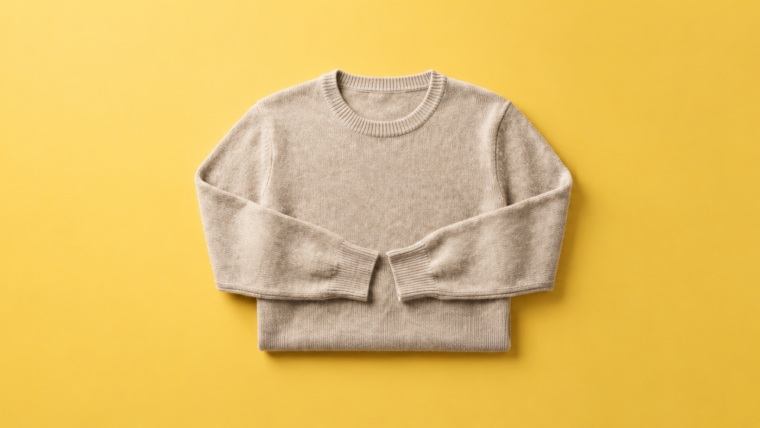

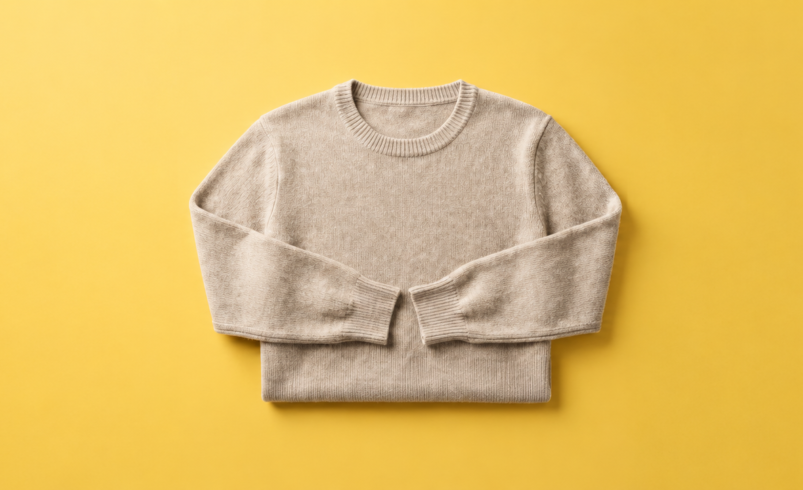

Monochrome dressing is one of the simplest ways to create a polished outfit without making the styling process complicated. Instead of combining several contrasting colors, the approach focuses on different shades, textures, and proportions within one color family. This creates a visual sense of consistency while still allowing individual pieces to stand out. A Premium Cashmere Sweater works especially well with this approach because its soft texture, refined appearance, and understated character can become the foundation of an entire outfit. Whether the sweater is beige, grey, navy, black, cream, or another neutral shade, building the rest of the look around a similar color palette can make everyday clothing appear more intentional and sophisticated.
What Monochrome Dressing Really Means
Monochrome dressing does not necessarily mean wearing the exact same color from head to toe. Instead, it involves creating an outfit around one dominant color family and using different shades, tones, textures, and materials to add visual interest. For example, a cream cashmere sweater can be paired with ivory trousers, beige shoes, and a slightly darker camel coat. Everything belongs to a related palette, but the subtle differences prevent the outfit from appearing flat.
This approach is particularly useful for people who prefer timeless clothing because it reduces the need to coordinate multiple unrelated colors. Once a strong base color has been selected, the rest of the outfit becomes easier to build. A cashmere sweater can provide that starting point because it combines naturally with trousers, denim, outerwear, footwear, and accessories in closely related shades.
Choosing the Right Cashmere Sweater Color
The color of the sweater determines the direction of the entire monochrome outfit, so it is worth considering how often the shade can be worn with the existing wardrobe. Neutral colors such as beige, cream, grey, navy, brown, and black provide considerable flexibility because they can be surrounded by several related shades.
A beige Premium Cashmere Sweater, for example, can become the center of a warm monochrome outfit using cream, tan, camel, and light brown pieces. A grey sweater can move between light grey, charcoal, silver, and black. Navy can be combined with darker blue trousers, lighter blue shirts, and navy outerwear. The goal is not to make every item identical but to create enough color continuity that the sweater feels connected to everything around it.
Building the Outfit From the Sweater
Once the sweater has been selected, start with the bottom half of the outfit. Trousers are usually the easiest place to establish the monochrome direction because they occupy a large portion of the overall look. Choose a shade that either closely matches the sweater or provides a controlled variation within the same color family.
For a cream sweater, off-white or beige trousers can create a soft and refined appearance. With a charcoal sweater, dark grey trousers can produce a more structured look. A navy sweater can work with darker navy trousers for a traditional appearance or a slightly lighter blue pair for more contrast.
The important factor is proportion. If the sweater is relaxed and slightly oversized, a very wide trouser may create too much volume. A more balanced silhouette can come from straight or gently tapered trousers. Similarly, a fitted sweater may work well with trousers that have a little more room through the leg.
Use Texture to Prevent a Flat Appearance
One of the biggest challenges with monochrome outfits is avoiding a flat or overly uniform appearance. Since the color palette is intentionally limited, texture becomes an important styling tool. Cashmere already provides a soft and luxurious surface, so pairing it with materials that have different visual characteristics can make the outfit much more interesting.
A cashmere sweater can be worn with structured wool trousers, brushed cotton, corduroy, denim, suede footwear, or a textured wool coat. These materials can remain within the same color family while creating differences that the eye can recognize.
For example, a beige cashmere sweater with beige wool trousers may initially sound overly simple, but adding suede loafers and a textured camel coat introduces enough variation to create depth. The colors remain connected while the materials provide contrast.
Creating a Neutral Monochrome Look
Neutral monochrome dressing is one of the easiest approaches for everyday wear. Cream, beige, taupe, camel, grey, and brown shades can be combined without creating an overly complicated appearance. These colors also work particularly well with cashmere because they reinforce the material’s understated character.
A cream sweater can be paired with light beige trousers and brown suede shoes. A camel coat can then provide an additional layer without breaking the color story. Alternatively, a grey cashmere sweater can be combined with charcoal trousers, a darker grey coat, and black or graphite footwear.
The key is to use several closely related tones rather than forcing every piece to match perfectly. Slight differences make the outfit appear naturally coordinated.
Building a Dark Monochrome Outfit
Dark monochrome dressing can create a more dramatic and structured appearance. Black, charcoal, deep navy, and dark brown are particularly useful for this style. A dark cashmere sweater can become the foundation of an outfit that feels refined without relying on bright colors.
A charcoal sweater with dark grey trousers creates a subtle tonal relationship. Adding a charcoal or black coat continues the visual line, while dark leather shoes can complete the look. For navy, combine different depths of blue through the sweater, trousers, coat, and accessories.
Dark monochrome outfits also benefit from small variations in fabric. A soft cashmere sweater against a structured wool coat or smooth leather footwear prevents the look from becoming visually repetitive.
Layering Around the Cashmere Sweater
Layering gives monochrome dressing more flexibility, especially during cooler weather. A shirt can be placed underneath the sweater, while a coat, overshirt, or jacket can be added above it. Each layer should support the same general color direction.
A grey cashmere sweater could be layered over a light grey or white shirt and finished with a charcoal coat. A beige sweater might work over a cream shirt with a camel jacket. The individual layers do not have to match exactly because tonal variation is part of the appeal.
Pay attention to how much of each layer is visible. A small amount of shirt collar or cuff can introduce structure without competing with the sweater. Outerwear should also complement the silhouette rather than overwhelm it.
Choosing the Right Trousers
Trousers can completely change how a monochrome cashmere outfit feels. Tailored trousers create a polished appearance, while denim makes the same sweater more relaxed. Chinos can sit between the two, providing an option for smart casual settings.
For a beige sweater, cream or tan trousers can create an elegant tonal outfit, while darker brown trousers introduce stronger contrast without leaving the warm color family. Grey sweaters can be paired with tailored grey trousers for a refined look or dark denim for a casual alternative.
The fabric should also match the occasion. Fine wool trousers can work well for offices and social events, while denim and cotton trousers are better suited to casual environments.
Adding Shoes Without Breaking the Color Story
Footwear is often where monochrome outfits become disconnected. While shoes do not always need to be exactly the same color as the rest of the outfit, choosing a complementary shade helps maintain visual continuity.
Brown suede loafers can work naturally with beige, camel, and cream outfits. Dark brown boots can support deeper earth tones. Black leather shoes can complement charcoal and black monochrome looks. Navy outfits can work with dark brown, black, or closely related blue footwear depending on the level of formality.
The material matters too. Suede creates a softer appearance, while polished leather feels more formal. Sneakers can make the same monochrome palette look more contemporary and relaxed.
Accessories Should Support the Outfit
Accessories should not compete with the central role of the sweater. Belts, watches, scarves, bags, and other details can reinforce the color palette without introducing unnecessary visual noise.
For example, a brown belt and matching brown shoes can strengthen a warm beige outfit. A charcoal scarf can complement a grey sweater without creating a separate focal point. In a navy outfit, darker blue or neutral accessories can keep the appearance cohesive.
The best approach is to think of accessories as finishing details rather than additional statement pieces. The goal of monochrome dressing is controlled coordination.
Making One Sweater Work for Different Occasions
One well-chosen cashmere sweater can support several different outfits when the surrounding pieces change. For a business casual setting, pair it with tailored trousers, a structured coat, and leather shoes. For a weekend look, switch to dark denim and casual footwear. For travel, combine it with comfortable trousers, a lightweight jacket, and practical shoes.
This versatility is one of the advantages of building outfits around quality knitwear. Instead of needing a separate sweater for every occasion, one versatile piece can become a reliable foundation for different combinations.
A Premium Cashmere Sweater is particularly useful in this role because its refined appearance can transition between casual and more polished settings depending on the pieces surrounding it.
Pay Attention to Fit and Proportion
Color coordination cannot compensate for poor fit. Even the most carefully selected monochrome palette can look unbalanced if the sweater is too tight, too loose, too short, or too long for the rest of the outfit.
The shoulder line should sit appropriately, while the body should provide enough room for comfortable movement without creating unnecessary bulk. Sleeve length also matters because it affects how the sweater interacts with shirts, jackets, and coats.
Proportion is equally important. A relaxed sweater can look intentional with straight-leg trousers, while a slimmer sweater may pair naturally with more tailored bottoms. The objective is to create visual balance from top to bottom.
Why Monochrome Works So Well With Cashmere
Cashmere has a naturally understated quality that makes it particularly suitable for tonal dressing. The material does not require bold patterns or loud colors to appear distinctive. Its softness, fine texture, and clean appearance can provide enough visual character on their own.
Monochrome styling allows those qualities to become more noticeable. Instead of competing with several contrasting colors, the sweater becomes part of a controlled visual composition. Different textures and shades provide subtle variation while keeping the outfit cohesive.
This makes the approach useful for anyone who wants clothing to look refined without appearing overly styled.
Building a More Versatile Wardrobe
Monochrome dressing can also make wardrobe planning easier. When clothing is built around a small number of compatible color families, individual pieces can be combined in more ways. A beige sweater can work with cream trousers, brown chinos, camel outerwear, or dark denim. A grey sweater can move between charcoal trousers, black jeans, grey coats, and neutral accessories.
This reduces dependence on trend-driven combinations and encourages a more practical approach to clothing. Instead of buying pieces because they work with only one outfit, shoppers can consider whether each item supports several existing combinations.
A carefully selected cashmere sweater can therefore become more than a seasonal garment. It can serve as a central piece around which multiple outfits are developed.
Keeping the Look Simple and Intentional
The strongest monochrome outfits usually do not require excessive styling. Choose the sweater, establish the color family, select trousers with a compatible tone, add suitable footwear, and introduce one or two layers when necessary. From there, texture and proportion can provide enough variation.
Avoid adding too many accessories simply because the outfit feels simple. Simplicity is one of the main strengths of monochrome dressing. The purpose is to create harmony rather than fill every space with another visual element.
A Premium Cashmere Sweater can provide an ideal starting point because its appearance is naturally sophisticated while remaining versatile enough for different levels of dress.
Final Thoughts
Monochrome dressing offers a practical way to create polished outfits with fewer colors and less complicated coordination. By building around one Premium Cashmere Sweater, you can establish a clear color direction and then use trousers, footwear, outerwear, and accessories to develop the rest of the look. Different shades prevent the outfit from appearing repetitive, while contrasting textures create depth and personality.
The most important principles are simple. Choose a versatile sweater color, stay within a related palette, combine different textures, maintain balanced proportions, and select accessories that support rather than distract from the overall look. With these principles in place, one well-made cashmere sweater can become the foundation for numerous sophisticated outfits across different occasions and seasons.