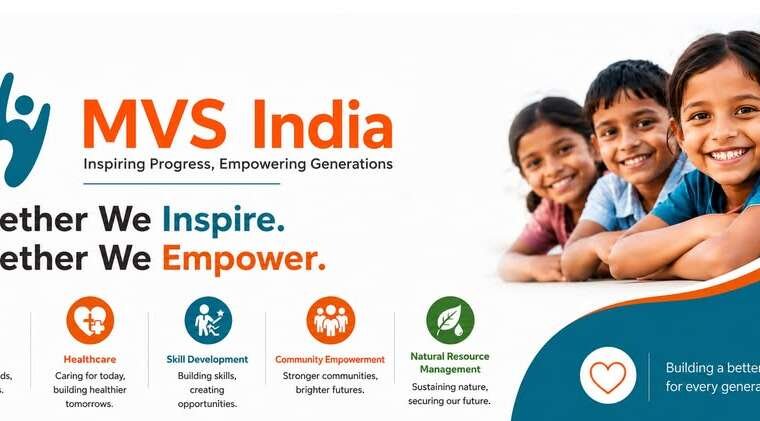

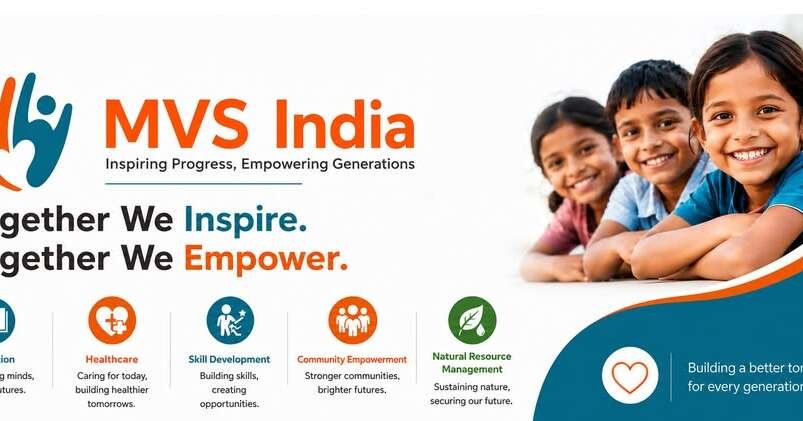

Every positive change begins with a small step. Whether it is helping a child attend school, providing food to a family in need, or empowering women to become financially independent, meaningful action can transform lives. This is where an NGO in India plays an important role.
Non-Governmental Organizations (NGOs) work with communities to address social, educational, environmental, and economic challenges. They bring people together, raise awareness, and develop practical solutions for problems that affect everyday life. From rural villages to busy cities, NGOs contribute to building a more inclusive and compassionate society.
What Is an NGO in India?
An NGO, or Non-Governmental Organization, is an organization that operates independently of direct government control and generally works toward social, charitable, humanitarian, or environmental objectives.
In India, NGOs support a wide range of causes, including education, healthcare, poverty reduction, child welfare, environmental protection, and rural development. Many depend on donations, grants, corporate social responsibility (CSR) funding, volunteers, and community partnerships to carry out their activities.
Depending on their objectives and legal structure, NGOs in India may be registered as a public charitable trust, a society, or a Section 8 company. Each structure has its own legal requirements and compliance obligations.
Why Are NGOs Important in India?
India has diverse communities with different needs and challenges. Although government programs and private initiatives contribute to development, some communities still need additional support.
NGOs help bridge these gaps by understanding local problems and working directly with the people affected by them.
Their importance can be seen in several areas:
- Education: Supporting underprivileged children through learning programs, school supplies, scholarships, and educational awareness.
- Healthcare: Organizing health camps, promoting hygiene, and spreading awareness about preventive healthcare.
- Women’s empowerment: Encouraging skill development, financial independence, equal opportunities, and leadership.
- Child welfare: Protecting children’s rights and helping vulnerable children access essential services.
- Environmental protection: Promoting waste management, tree planting, water conservation, and sustainable practices.
- Rural development: Supporting livelihood opportunities, community infrastructure, and awareness programs.
By focusing on these areas, NGOs help communities build stronger foundations for long-term progress.
Major Activities of NGOs in India
The activities of an NGO depend on its mission, available resources, and the needs of its beneficiaries.
1. Education and Skill Development
Education can open doors to better opportunities. NGOs often organize tuition classes, digital literacy programs, vocational training, and career guidance sessions. These initiatives help children and adults develop knowledge and practical skills.
2. Healthcare and Nutrition
Some NGOs arrange medical checkups, nutrition awareness sessions, sanitation campaigns, and health education programs. Their work can help communities understand the importance of preventive care and healthy living.
3. Women and Youth Empowerment
Many organizations provide vocational training, entrepreneurship guidance, and leadership opportunities. Such programs help women and young people gain confidence and explore ways to improve their livelihoods.
4. Community Welfare
NGOs may assist vulnerable families through food distribution, emergency relief, rehabilitation support, and access to social welfare information. Effective programs focus not only on immediate needs but also on sustainable solutions.
How to Choose the Right NGO in India
If you want to support an NGO, volunteer, or establish a partnership, take time to understand the organization’s work.
First, review its mission and the communities it serves. Look for clear information about its projects, leadership, registration, and financial transparency. Ask how donations are used and whether the organization measures the results of its activities.
You can also review annual reports, audited financial statements, project updates, and beneficiary feedback where available.
Remember that registration alone does not guarantee impact. A responsible NGO should demonstrate ethical practices, accountability, and a genuine commitment to its stated objectives.
How Can You Support an NGO?
Making a difference does not always require a large donation. There are several ways to contribute to a meaningful cause.
You can volunteer your time, donate essential supplies, share verified information about community initiatives, offer professional skills, or help an organization connect with potential supporters.
Businesses can explore suitable CSR partnerships, while students can participate in community projects and awareness campaigns. Before contributing, verify the NGO’s identity and ensure that donations are made through its official channels.
Even small, consistent efforts can help create opportunities for people who need them most.
Conclusion
An NGO in India is more than an organization working for a social cause. It represents collective effort, compassion, and the belief that communities can build a better future together.
From improving education and healthcare to supporting women, children, and rural communities, NGOs contribute to social development in many meaningful ways. Their success depends on responsible leadership, transparent practices, community participation, and long-term commitment.
Whether you choose to volunteer, donate, collaborate, or start an initiative of your own, your contribution can become part of a larger movement for positive change. Start with a cause you care about, learn about the organizations working in that area, and take one meaningful step toward making a difference.
Frequently Asked Questions (FAQs)
1. What is an NGO in India?
An NGO is a non-governmental organization that works toward social, charitable, humanitarian, environmental, or developmental goals.
2. What are the main functions of an NGO?
NGOs may support education, healthcare, poverty reduction, child protection, women’s empowerment, environmental conservation, and community development.
3. How many types of NGOs are there in India?
NGOs work across many fields, including education, health, human rights, environment, and rural development. Legally, common organizational structures include public charitable trusts, societies, and Section 8 companies.
4. How can I find a genuine NGO in India?
Check its registration details, official website, leadership information, project reports, financial disclosures, and evidence of its work before donating or volunteering.
5. Can I donate money to an NGO online?
Yes. Many NGOs accept online donations through their official websites or authorized payment channels. Verify the organization and payment details before transferring money.
6. How can I volunteer with an NGO?
Contact the organization directly and ask about volunteer opportunities, required skills, time commitments, and any training or background checks.
7. How can I start an NGO in India?
Choose a clear social mission, identify the appropriate legal structure, prepare the required documents, and complete the relevant registration and compliance procedures.
8. Can NGOs receive government funding in India?
Eligible NGOs may receive government grants or participate in approved programs, subject to the relevant scheme’s eligibility criteria and documentation requirements.
9. What is CSR funding for NGOs?
Corporate Social Responsibility (CSR) funding supports eligible social development projects. NGOs must meet applicable legal and project-specific requirements to receive CSR contributions.
10. How do NGOs create a lasting social impact?
NGOs can create lasting impact by understanding community needs, setting measurable goals, using resources responsibly, involving local people, and evaluating project outcomes.