
Packaging materials are an aspect of a student move that often goes unplanned. You’ve sorted the tenancy and the train ticket, then it hits you on Friday night that your whole life is loose on a hall’s floor and in one carrier bag. The fix is simpler than it sounds. Consider purchasing fewer, stronger boxes; ensure each one is suited to its contents; and avoid paying for a kit that you will only use once. Most single-room moves come down to six to ten boxes, a roll of tape and a plan for your clothes.
Here’s what to buy, what to skip, and how to stretch a small budget.
How Much Should You Actually Buy for a Student Move?
For a single bedroom, plan on six to ten boxes, one roll of packing tape and some soft padding such as towels and jumpers. Count your books, kitchen items and clothes first, because those three piles decide the number. It’s cheaper to buy a couple of spares than to make a second trip across town.
Start with a quick audit. Stand in the room and sort everything into four piles: books and papers, kitchen bits, clothes and bedding, and fragile or electronic items. Books are heavy, kitchenware is awkward, and clothes and fragile things need cushioning. Each pile wants a different kind of box.
Always keep in mind that the free boxes are often a false economy. A box that’s spent a month in a supermarket back room has usually been stacked, squashed and damp, and it’ll give out halfway up the stairs of a Manchester terrace. One sturdy box that you purchase is more valuable than three flimsy free boxes.
Most boxes for moving house are sold in small, medium and large, and for a student the sensible mix is mostly small and medium. If you’ve got £40 set aside, spend the bulk of it there rather than on gadgets. Evaluate several packaging suppliers based on their box prices and descriptions of box strength, as a low-cost box that breaks easily is not a good deal.
Then pack in a sensible order:
- Start two weeks out with things you won’t miss: off-season clothes, spare books, posters.
- Move on to the kitchen the week before, keeping one plate, one mug and a kettle back.
- Label every box on the side, not just the top, because you’ll be stacking them.
- Leave bedding and toiletries until the last evening.
Which Boxes Suit Which Student’s Belongings?
Match the box to the weight, not the volume. Boxes for moving house work best when heavy items go into small boxes and light, bulky items go into large ones. Books and tins suit small boxes, kitchenware and shoes suit medium ones, and bedding and cushions suit large ones. Nothing dense should ever go in a big box.
Use small and medium boxes for books, kitchenware, and shoes.
Books are the classic trap. A large box of paperbacks can weigh more than you can comfortably lift, and the base will often give way before you reach the door. Pack them in small boxes, fill any gaps with a tea towel, and for a full shelf of heavy textbooks, use double-wall cardboard boxes, which are stiffer and cope better when stacked.
Kitchen stuff comes next. Stand plates on their edge rather than flat, and keep glasses together in a medium box with a jumper between each one. Shoes pack well in medium boxes, from sole to sole, and they act as useful padding for lighter items tucked in beside them.
Large and tall boxes for bedding, lamps and posters
Duvets, pillows and cushions are light but enormous, so they’re what large boxes are for. Don’t overstuff, though. If the flaps won’t close, the tape ends up taking the strain, and the lid sags the moment something sits on top.
Long, awkward things need different treatment. For a floor lamp, rolled posters, a yoga mat or a clothes airer, tall and narrow boxes keep them upright and out of harm’s way. That’s a far cheaper outcome than replacing a snapped lamp the week before your first seminar.
Cushioning Fragile Items Without Overspending
Packaging materials don’t have to be fancy to do the job. Towels, socks, jumpers and scrunched newspaper handle most of the work for mugs, bowls and picture frames, and they save you packing those things separately later. The one place worth paying for proper protection is anything with a screen. Wrap a monitor in a soft layer, bubble wrap if you’ve got some, and pack it snugly so nothing can slide. A laptop should travel in your own bag, whatever else happens.
Are Double Wall Cardboard Boxes Worth It for Students?
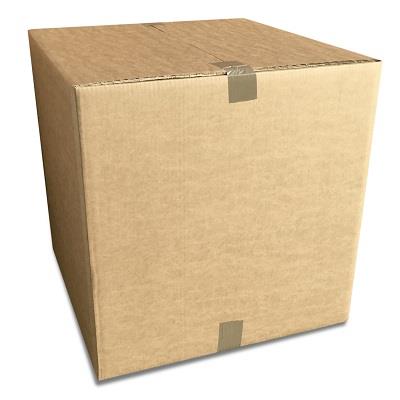
Sometimes. Double wall cardboard boxes have two layers of corrugated fluting between three flat liners, so they carry more weight and cope with stacking better than single-wall. They’re worth it for books, heavy kitchenware and anything heading into storage. For bedding and clothes, standard boxes are fine.
The extra strength is beneficial in this situation.
Let’s assume that you have three boxes stacked in the back of a hatchback or a pile left in a friend’s garage over the summer. The bottom box takes all the pressure, and that’s precisely where a double-wall design earns its keep. It also suits any box you plan to reuse, because a stronger box will usually survive a second move and occasionally a third. Check how packaging suppliers label the board, since single and double walls should be stated up front.
There’s a practical benefit too. Students tend to move more than once in three years: halls, a shared house, perhaps a year abroad or a placement in another city. A box that lasts through all of those costs less per move than one you bin after the first.
Where it’s overkill
Not everything needs it. If you’re wheeling things across campus on a trolley or hopping from halls to a flat two streets away, a single wall is plenty. And here’s the awkward truth: a box heavy enough to demand a double wall may simply be too heavy to carry up two flights of stairs. Often the better fix is to pack lighter, splitting a heavy load across two smaller boxes instead of paying for strength you’ll struggle to lift.
What Should You Do with Clothes and Summer Storage?
Hang smart clothes in a wardrobe box, fold everything else into medium boxes and keep bags for soft items like bedding. For summer storage, label every box with the room and its contents, and stack the heavy ones at the bottom. Most students won’t need anything bigger than that.
Wardrobe boxes for storage of coats and good outfits
A wardrobe box comes with a rail, so shirts, dresses, suits and coats travel on their hangers and arrive uncreased. That matters if you’ve got a placement interview, a formal or a graduation coming up. For short-term wardrobe box storage over the summer, hang the winter coats first and leave a little air at the top so the rail isn’t strained.
The catch? They’re bulky, and a hatchback only fits so many. If you’ve got just a handful of excellent items, a garment bag costs less and folds flat, which is easier to live with in a small room. Wardrobe boxes make more sense when you’ve got a whole rail of clothes that really can’t be folded.
Are cardboard pallet boxes worth it?
For most students, no. Cardboard pallet boxes are large containers built to hold bulk loads on a pallet, and they need something to lift them. A final-year student living in a house with five roommates who is clearing everything into a garage might find a cardboard pallet box handy for pooling shared pots, pans, and spare furniture parts. Otherwise, they’re overkill, and twenty ordinary boxes you can carry by hand will serve you better.

FAQs
- How many boxes does a student need for moving the house?
Most students manage with six to ten boxes for a single room. Count your books, kitchen items and clothes first, then add a couple of spares for the things you forgot. If you’re moving a whole flat’s worth of belongings, or you own many books, double that estimate before you order anything.
- Where should I buy moving supplies?
Please consider packaging suppliers that clearly indicate box strength, display sizes in centimetres, and provide delivery times before you make a purchase. Place your order a week in advance to avoid last-minute delivery issues. Compare two or three, and buy slightly more than you think you’ll need, because running out on moving day is the worst version of a packing disaster.
- Is a removal kit worth it?
A ready-made removal kit saves time because someone has already worked out a sensible mix. The downside is that kits assume an average move, so you may end up with boxes you don’t need. If you’ve done the room audit, picking boxes for moving house one by one usually costs less and suits your belongings better.
- Do I need cardboard pallet boxes for summer storage?
Almost certainly not. Cardboard pallet boxes are suitable for bulk loads and require a lifting method that is rarely available in a student house. Regular boxes, stacked heavy-side-down and clearly labelled, do the job well, and they’re far easier to carry up a staircase or into a shed.
Summing up
A student move doesn’t require many items, but it is important to have the right ones. Plan according to what you actually own: use small boxes for heavy items, larger ones for light, bulky items, and tall, narrow boxes for lamps and posters. Spend on strength only where weight or stacking demands it, and let towels and jumpers do the padding. Packaging materials work best when they’re matched to the job rather than bought in bulk. Wardrobe box storage is lovely for excellent clothes but optional, and pallet boxes are for someone else’s problem. Buy a bit less, buy it sturdier, and you’ll only make the trip once.