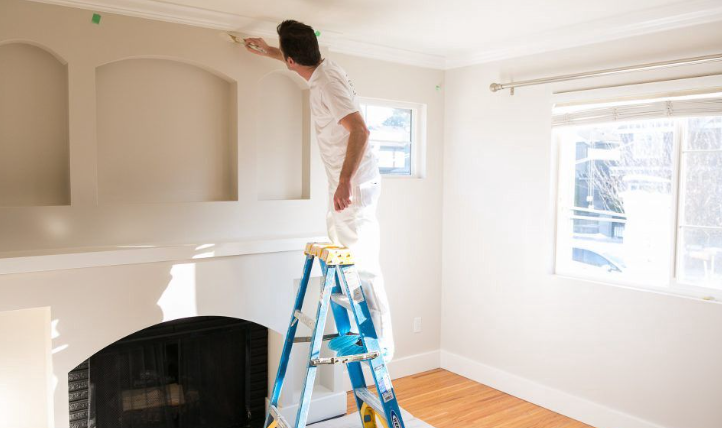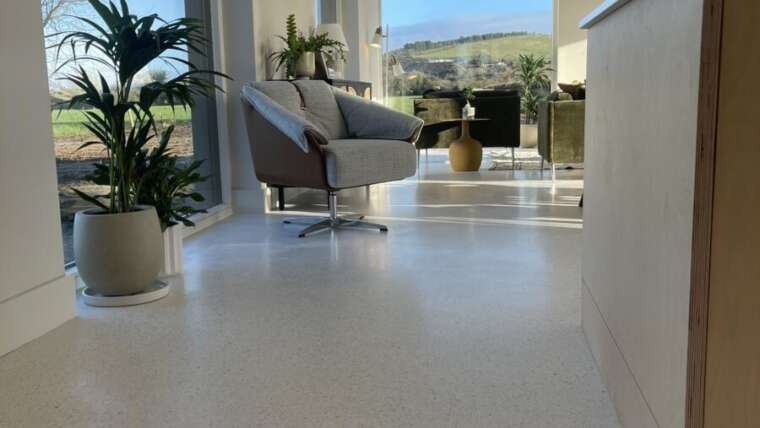

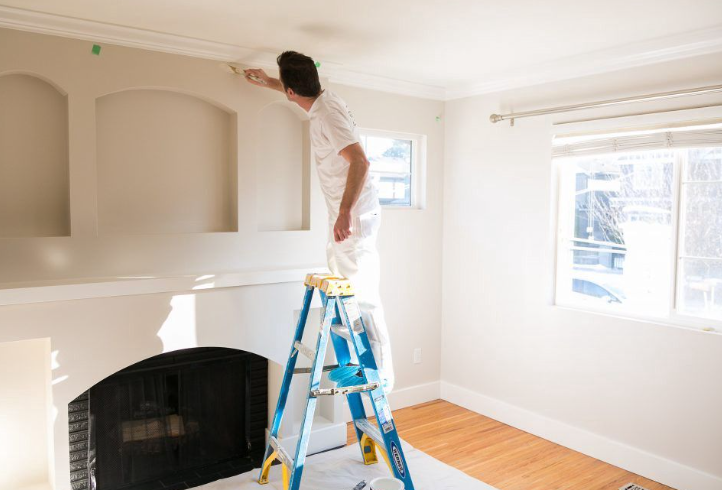

A home’s interior should support the routines, preferences, and atmosphere of the people who use it every day. Over time, walls and painted surfaces can become worn, colors can lose their appeal, and rooms may no longer feel as cohesive as they once did. A well-planned refresh can address these issues without changing the basic structure of the property.
For homeowners exploring an Interior Painting Service in Naples, FL, it is useful to consider how each room functions before deciding on colors and finishes. The best choices often come from combining visual preferences with practical requirements such as cleaning, lighting, traffic, and surface condition.
Interior painting can also provide an opportunity to reconsider the relationship between connected spaces. With thoughtful planning, different rooms can maintain their individual character while still contributing to a comfortable and unified home.
Start With the Way Your Household Uses Space
A room’s purpose should influence the decisions made for it. A formal dining room may require different visual treatment from a busy family room, while a guest bedroom may have different maintenance needs from an entryway.
Think about who regularly uses each area and how much activity occurs there. This information can guide choices involving color intensity, finish, and durability. Designing around actual routines helps create an interior that looks attractive without becoming difficult to maintain.
Separate Design Preferences From Passing Trends
Paint trends can provide inspiration, but they do not need to determine every decision. A fashionable color may look impressive in photographs yet feel unsuitable within a particular home.
Instead, consider whether a shade complements the property’s architecture, existing materials, and personal style. Timeless colors can provide flexibility, while carefully selected stronger shades can add personality where appropriate. The goal is to create an interior that homeowners will continue to enjoy rather than one that quickly feels outdated.
Study Existing Colors Before Adding New Ones
Before introducing a new shade, identify the colors already present throughout the home. Flooring, cabinetry, countertops, furniture, fabrics, and artwork can all affect the appearance of freshly painted walls.
This is especially important in open-plan interiors, where several surfaces may be visible simultaneously. A color that works beautifully in one enclosed room may create an awkward transition when viewed from an adjacent area. Mapping the existing palette can make new selections more deliberate.
Use Transitions to Connect Separate Rooms
Doorways and hallways provide natural opportunities to change colors. Instead of treating every transition as a sharp break, homeowners can use related tones to create a smoother progression.
For example, a common neutral can appear in several areas while individual rooms introduce slightly different shades. This method gives the home variety without making the overall design feel disconnected. It can also be useful when different family members prefer different colors in their personal spaces.
Think About Furniture Placement Before Painting
The location of furniture can affect which walls receive the most attention. A large sofa, bed, entertainment unit, or dining table may naturally create a visual focal point.
Looking at furniture placement before choosing an accent color can help determine whether a particular wall deserves emphasis or should remain visually quiet. It also allows homeowners to check how the proposed color interacts with fabrics, wood tones, artwork, and decorative objects already in the room.
Check the Condition of Painted Surfaces
A color change may draw attention to imperfections that were previously easy to overlook. Before painting, inspect walls for dents, holes, cracks, stains, peeling areas, or uneven previous repairs.
Preparation requirements will depend on the condition and type of surface. Cleaning and repairing problem areas can create a more consistent base, while primer may be useful in certain situations. Addressing these issues before painting is generally more effective than trying to correct them after the final coat.
Choose Sheen With the Room’s Activity in Mind
Paint sheen affects both appearance and maintenance. High-use spaces often need finishes that can tolerate routine cleaning, while quieter areas may allow homeowners to prioritize a softer visual effect.
The condition of the wall also matters. More reflective finishes can emphasize bumps and imperfections, whereas lower-sheen finishes may provide a more subdued appearance. Selecting a finish based on both aesthetics and practical use can produce a more balanced result.
Use Lighting as Part of the Color Plan
Artificial lighting can significantly change the appearance of paint. Warm bulbs may emphasize yellow or beige undertones, while cooler lighting can make certain shades appear sharper.
Natural light adds another variable. A room facing strong sunlight may look considerably different from one with limited windows. Testing samples in the actual room under different lighting conditions can provide a clearer idea of how the finished color will behave throughout the day.
Consider Moisture-Prone Areas Carefully
Bathrooms, kitchens, laundry rooms, and other areas with elevated moisture deserve additional attention before an interior painting project begins. Persistent dampness can affect painted surfaces and may contribute to peeling or discoloration.
Naples’ warm, humid environment makes ventilation particularly relevant in these spaces. If moisture problems already exist, addressing their underlying cause should come before cosmetic improvements. Proper preparation and suitable products can then support a cleaner, more durable finish.
Plan the Project in Manageable Stages
Painting an entire home at once can be disruptive. Dividing the work into logical stages can make furniture movement, daily routines, and cleanup easier to manage.
Some homeowners may choose to start with high-priority rooms, while others may prefer to work through connected areas to maintain consistent colors and finishes. Establishing the sequence in advance can also reduce the chance of making rushed decisions when one room affects another.
Keep a Record for Future Maintenance
After completing an interior update, recording the colors, finishes, and products used in each room can be surprisingly useful. Paint may eventually need touch-ups because of normal wear, furniture movement, or accidental damage.
Having the original information available can make future repairs easier and reduce the difficulty of matching an existing finish. Simple maintenance, regular cleaning, and prompt attention to small imperfections can also help preserve the refreshed appearance.
Conclusion
An effective interior refresh begins with the way a home is actually lived in. Room purpose, existing materials, furniture, lighting, surface condition, moisture, and maintenance requirements can all influence the right painting decisions. Homeowners considering an Interior Painting Service in Naples, FL can benefit from evaluating these factors before work begins. Fancy Painters LLC may be part of the process, but careful planning remains essential to creating rooms that feel cohesive, comfortable, and practical for everyday life.