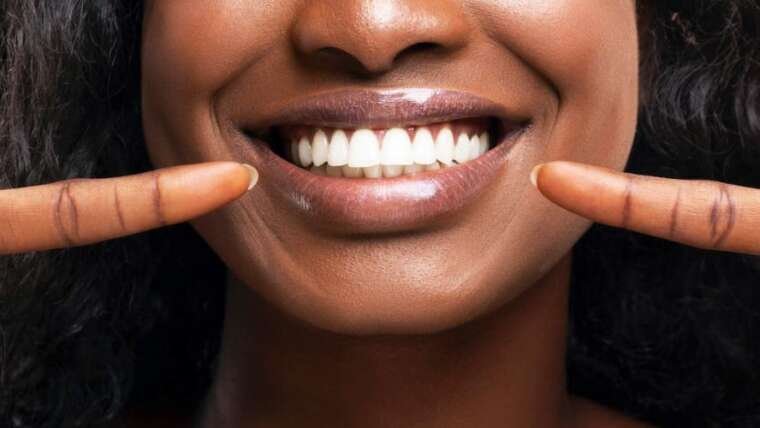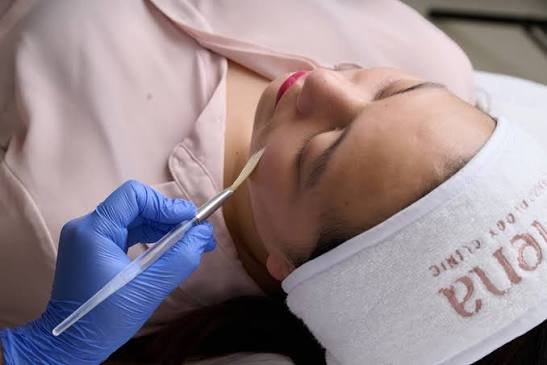


A bright smile can make you feel more confident, but keeping your teeth healthy is just as important as improving their appearance. Many people choose teeth whitening when their teeth become stained or lose their natural brightness. At the same time, regular dental check-ups help keep the teeth and gums healthy and allow dental problems to be found early.
This is why Professional Teeth Whitening and regular dental check-ups can both have an important place in your dental care routine. Whitening mainly focuses on improving the colour of your teeth, while dental check-ups focus on your overall oral health. When these two areas are considered together, you can work towards a smile that looks good and stays healthy.
What Is Professional Teeth Whitening?
Professional Teeth Whitening is a cosmetic dental treatment used to lighten the colour of natural teeth and reduce certain types of stains. The treatment is carried out or supervised by a dental professional, who can first examine your teeth and discuss the results you want.
Teeth can become stained or darker for many reasons. Coffee, tea, certain foods, tobacco, ageing, and some changes within the teeth can affect their colour. Not every type of discolouration responds to whitening in the same way.
A dental professional can examine the condition of your teeth and help determine whether whitening is suitable for you. This is especially useful if you have fillings, crowns, veneers, or other dental restorations, as these materials may not change colour in the same way as natural teeth.
Why Are Regular Dental Check-Ups Important?
Dental check-ups are an important part of maintaining good oral health. They are not only about looking for cavities. During an appointment, a dentist can check the condition of your teeth, gums, and other areas of your mouth.
Some dental problems do not cause pain or noticeable symptoms in their early stages. A regular examination can help identify possible concerns before they become more serious.
A check-up may also include professional cleaning. This can help remove plaque and tartar that brushing and cleaning between your teeth may not completely remove. Keeping plaque and tartar under control can support healthier teeth and gums.
Regular visits also give you an opportunity to ask questions about brushing, flossing, sensitivity, tooth stains, and other concerns related to your oral health.
Whitening Does Not Replace Dental Care
It is important to understand that teeth whitening is mainly a cosmetic treatment. It can make suitable natural teeth look lighter, but it does not treat cavities, gum disease, damaged teeth, or other dental conditions.
For example, a person may have stained teeth that would benefit from whitening but also have a cavity or gum problem that needs attention. Whitening alone would not solve those problems.
For this reason, having your teeth checked before Professional Teeth Whitening can be helpful. Your dentist can look for any issues that may need to be treated first and advise you about the most suitable approach.
This makes dental check-ups an important part of responsible cosmetic dental care.
How a Dental Check-Up Can Help Before Whitening
Before starting a whitening treatment, a dental professional can assess your teeth and gums. They may check for tooth decay, gum irritation, cracks, worn enamel, or other conditions that could affect the treatment.
Some people experience temporary tooth sensitivity during or after whitening. If you already have sensitive teeth or another dental issue, discussing this with your dentist before treatment can help you understand what to expect.
Your dentist can also explain the whitening options available and help you choose an approach based on your dental condition and goals.
The expected results can vary from person to person. The cause of the staining, the natural colour of your teeth, and the condition of your enamel can all affect the outcome.
Professional Whitening and Home Whitening Products
There are many whitening products available for home use, including whitening toothpastes, strips, and gels. These products can vary in their ingredients, strength, and results.
With Professional Teeth Whitening, your treatment is guided by a dental professional. This means your teeth can be assessed before treatment, and you can receive advice based on your individual needs.
Professional treatment may also provide more controlled whitening than some general products. However, results are not exactly the same for everyone, and whitening cannot always remove every type of tooth discolouration.
It is also important to remember that whitening normally affects natural teeth. Crowns, veneers, and some fillings may not become lighter in the same way. Your dentist can explain how existing dental work may affect the final appearance of your smile.
Oral Health and Smile Appearance Go Together
A good-looking smile is not only about tooth colour. Healthy teeth and gums also play an important role in the overall appearance of your smile.
Plaque buildup, gum problems, tooth decay, and damaged teeth can affect both your oral health and the way your smile looks. Regular dental care can help manage these issues and keep your mouth in better condition.
If you are considering Professional Teeth Whitening, it is useful to look at your overall oral health as well. Whitening may improve the colour of your natural teeth, but good oral hygiene helps maintain a clean and healthy-looking smile.
Simple daily habits can make a difference. Brushing twice a day with fluoride toothpaste, cleaning between your teeth, limiting frequent sugary foods and drinks, and following your dentist’s advice can all help protect your teeth.
How Long Can Whitening Results Last?
Whitening results are not permanent. How long they last can depend on your diet, oral hygiene, lifestyle habits, and the natural changes that occur in your teeth over time.
Regularly consuming drinks and foods that can stain teeth may lead to new surface stains. Tobacco use can also contribute to discolouration.
This does not mean that you should repeatedly whiten your teeth whenever they begin to look slightly darker. Your dentist can advise you about whether further treatment is appropriate and how often it should be considered.
Maintaining good oral hygiene can also help your teeth stay cleaner after whitening. However, whitening should not be seen as a permanent solution to tooth staining.
Why Check-Ups Still Matter After Whitening
Dental care should continue after your whitening treatment. Having brighter teeth does not remove the need for regular dental examinations.
During future check-ups, your dentist can monitor the condition of your teeth and gums and identify any changes that may need attention. Professional cleaning can also help remove plaque and tartar that may contribute to gum problems and surface staining.
If you notice tooth pain, unusual sensitivity, bleeding gums, cracks, or a change in the appearance of a tooth, speak with a dental professional. These symptoms may need proper assessment rather than simply being treated with another whitening product.
Simple Ways to Maintain Your Smile
After Professional Teeth Whitening, everyday habits can help you maintain your results and protect your oral health.
Brush your teeth twice a day and clean between your teeth regularly. Drinking water after meals and after consuming strongly coloured foods or drinks can also help reduce the amount of time staining substances remain around your teeth.
If you regularly drink coffee, tea, or other drinks that may contribute to staining, you can ask your dentist about practical ways to reduce their effect on your teeth.
It is also important not to overuse whitening products. Using them more often than recommended does not necessarily produce better results and may increase the risk of tooth sensitivity or gum irritation.
Following professional advice can help you achieve a more suitable and comfortable whitening experience.
A Complete Approach to a Healthy Smile
Whitening and dental check-ups have different purposes, but both can contribute to better dental care.
Professional Teeth Whitening is mainly focused on improving the appearance of natural tooth colour. Dental check-ups, on the other hand, focus on checking and maintaining the health of your teeth and gums.
One should not be used as a replacement for the other. If you are interested in whitening, it is sensible to have your oral health assessed first. This allows any existing concerns to be addressed and helps you understand what kind of whitening results you can realistically expect.
Along with professional dental care, daily habits such as regular brushing, cleaning between the teeth, and making sensible food and drink choices can help protect your smile over time.
Final Thoughts
A brighter smile can improve your confidence, but healthy teeth and gums should always be the foundation of good dental care. Professional Teeth Whitening can help improve the appearance of stained or discoloured natural teeth, while regular dental check-ups help monitor your oral health and identify problems that may not be easy to notice yourself.
Taking care of your smile involves more than focusing on its colour. Good oral hygiene, regular dental visits, and suitable cosmetic treatment can work together to support a healthy and natural-looking smile. White And Bright provides professional dental care focused on helping patients maintain healthy teeth while improving the appearance of their smiles. With the right guidance and regular care, you can work towards a smile that looks brighter and stays healthy over time.