

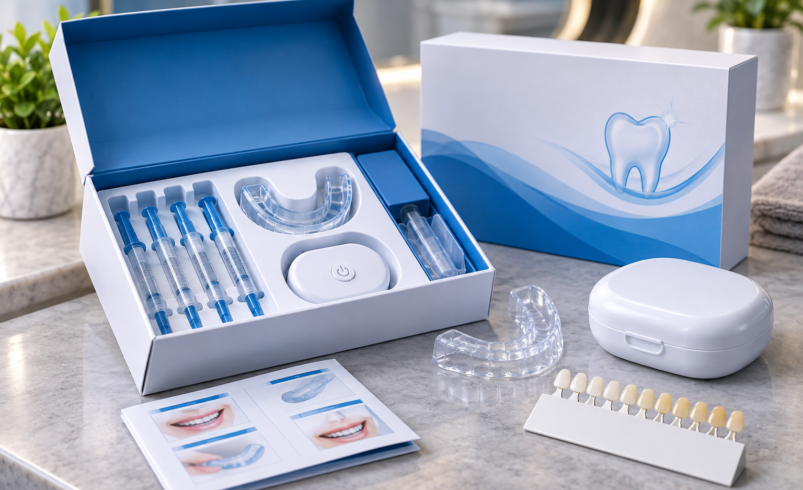

Red light therapy products appear in several shapes and categories, which can make them look interchangeable. A better starting point is the intended use of the exact device. A product marketed for one concern should not be assumed appropriate for another simply because both use red light.
The American Academy of Dermatology describes red light therapy as treatment using red or near-infrared light and notes that evidence and results vary across devices and skin applications. It recommends discussing suitability with a dermatologist, following the device directions, and using specified eye protection when required. That skin-care guidance does not validate claims for an oral device or another unrelated application. Source: American Academy of Dermatology.
Begin with one intended use
Write down the concern you want to discuss with an appropriate clinician. Then identify the product category relevant to that conversation. Avoid shopping for a device expected to address a long list of unrelated issues.
Collect the model name, manufacturer, complete instructions, and any evidence the seller cites. This gives the professional something specific to evaluate instead of a broad question about whether red light is “good.”
Separate specifications from promises
A listed wavelength, timer, or connection type describes an aspect of the product. It does not independently establish a treatment result. Ask which claims have evidence for the exact device and intended use.
When researching Furein Smile, approach each product individually. Its presence in a red light category does not make it equivalent to every other item in that category.
Check ownership details
Read the package contents, power requirements, care instructions, and support terms. Ask whether accessories pictured in the listing are included. If the manual is unavailable, request it before purchase.
For example, a consumer interested in a skin concern needs a different discussion from someone asking about an oral complaint. Keeping those goals separate prevents general enthusiasm about a technology from becoming a product-specific assumption.
A useful first decision is often a clear next question: which device, for which purpose, supported by which evidence? Answering that question is a stronger foundation than choosing the most dramatic promise in a crowded product category.