

Wound care is an essential part of healthcare, supporting patients with acute injuries, surgical wounds, chronic wounds, and other tissue damage. As medical technology advances, healthcare professionals have access to an expanding range of products designed for specific wound-management requirements.
Modern wound care is increasingly focused on assessment-based treatment. Rather than relying on a single dressing for every wound, healthcare professionals can consider the characteristics of each wound and select appropriate products accordingly.
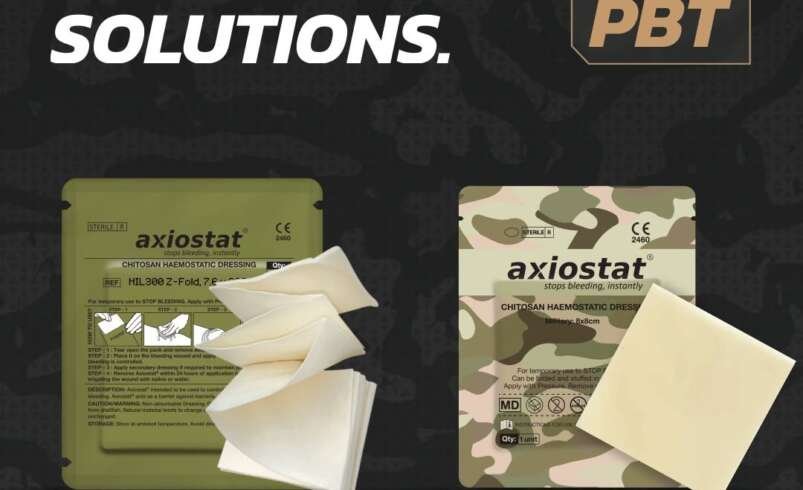
Axiobio is focused on developing innovative healthcare solutions for wound management and bleeding control.
The Development of Advanced Wound Dressings
Traditional dressings primarily provide protection and absorb wound fluid. Advances in materials science have enabled manufacturers to develop products with additional functions designed for specific wound-care needs.
An Advanced Wound Dressing may be designed around particular wound characteristics and intended clinical applications.
The choice of dressing should consider the wound’s condition, exudate level, location, surrounding tissue, and the patient’s individual requirements. Professional assessment remains an important part of the process.
Modern Advanced Wound Care
Healthcare professionals managing complex wounds may require more specialized approaches. Modern Advanced wound care solutions are designed to address different wound-management needs and can form part of a broader care plan.
Effective wound care may include assessment, cleansing, appropriate dressing selection, monitoring, documentation, and management of underlying conditions.
The goal is to create a structured approach that can be adapted as the wound changes.
Wound Cleansing and Irrigation
Wound cleansing can be an important stage of wound management. Depending on the clinical circumstances, irrigation may help remove debris and contaminants from a wound.
A Wound irrigation solution can be used when appropriate as part of a professional wound-care protocol.
Healthcare professionals should select products according to their intended use and follow the manufacturer’s instructions. Appropriate technique and patient assessment are also important.
Addressing Diabetic Wound Challenges
Diabetic wounds can require ongoing professional attention. Factors associated with diabetes may affect circulation, sensation, and the healing process.
Diabetic wound care can involve wound assessment alongside management of factors such as pressure, circulation, infection risk, and blood glucose.
A multidisciplinary approach may be appropriate for patients with complex wounds. Regular monitoring can help healthcare professionals identify changes that require further attention.
Understanding Pressure Ulcers
Pressure ulcers are associated with prolonged pressure and can occur in patients with limited mobility. Prevention, early identification, and appropriate management are important elements of care.
A Pressure ulcer dressing may be selected based on the wound’s condition and the patient’s broader care plan.
Dressing selection is only one part of pressure-ulcer management. Repositioning, pressure redistribution, skin care, nutrition, and regular assessment may also be important.
Wound Gel Dressing Applications
Wound-management products vary according to their materials and intended uses. Gel-based dressings can provide another option for particular wound-care situations.
A Wound gel dressing may be considered when its characteristics match the requirements of the wound.
Healthcare professionals should assess the wound before selecting a product and should use it according to its approved or intended application.
Emergency Bleeding Management
Wound care also includes the management of acute bleeding. Traumatic bleeding can require immediate intervention, especially when blood loss is substantial.
Bleeding control first aid includes established first-aid approaches for managing bleeding while arranging appropriate medical care when required.
Depending on the injury, direct pressure, wound packing, pressure dressings, or specialized bleeding-control products may be considered. Correct technique and appropriate training are essential.
Choosing Healthcare Technologies Responsibly
Medical products should be evaluated using reliable information rather than promotional claims alone.
Healthcare organizations can consider:
- Intended application
- Product specifications
- Quality information
- Available evidence
- Ease of use
- Storage requirements
- Staff training requirements
- Manufacturer instructions
- Clinical requirements
This approach can help organizations identify products that are appropriate for their specific needs.
Why EEAT Is Important in Healthcare Content
Healthcare content needs a particularly high level of accuracy and trustworthiness. EEAT—Experience, Expertise, Authoritativeness, and Trustworthiness—provides a useful framework for developing responsible content.
Experience involves practical understanding of the subject. Expertise requires accurate presentation of healthcare information. Authoritativeness can be supported through credible organizations, professionals, and reliable information. Trustworthiness requires transparency and avoiding unsupported claims.
For medical-device companies, these principles can help create content that informs readers without presenting marketing statements as established medical facts.
Innovation and the Future of Wound Care
Medical technology continues to develop as researchers and manufacturers explore new materials, designs, and approaches to wound management.
Future developments may focus on usability, patient comfort, product performance, accessibility, and evidence-based applications.
However, innovation should remain connected to clinical needs. Healthcare professionals will continue to play a central role in assessing wounds and selecting appropriate interventions.
Axiobio’s Approach to Modern Healthcare
Axiobio focuses on developing healthcare solutions related to wound management and bleeding control. Its work reflects the broader movement toward specialized medical technologies designed for specific healthcare requirements.
For healthcare organizations, informed product selection involves considering the intended use, product characteristics, quality, evidence, and suitability for the clinical environment.
By combining healthcare expertise with responsible innovation, medical technology companies can contribute to the continued development of modern wound-care practices.
Frequently Asked Questions
1. What are advanced wound-care solutions?
Advanced wound-care solutions are specialized products and technologies designed to address particular wound-management requirements.
2. How does wound irrigation support wound care?
When clinically appropriate, irrigation can help cleanse wounds by removing debris and contaminants before further management.
3. Why is diabetic wound care different?
Diabetes can influence factors related to wound healing, circulation, and sensation, making careful assessment and ongoing management important.
4. How are pressure ulcer dressings selected?
Selection depends on wound characteristics, exudate, location, surrounding skin, patient needs, and the overall treatment plan.
5. What factors should be considered before using a wound gel dressing?
Healthcare professionals should consider wound characteristics, product specifications, intended use, manufacturer instructions, and patient requirements.
6. What is the purpose of bleeding-control first aid?
Bleeding-control first aid aims to provide appropriate initial management of bleeding while ensuring that further medical care is obtained when necessary.
7. Why should healthcare organizations evaluate medical products carefully?
Different products have different intended uses and characteristics. Careful evaluation helps organizations select products appropriate for their clinical and operational requirements.
8. How can healthcare content demonstrate EEAT?
Healthcare content can demonstrate EEAT through accurate information, credible expertise, transparent claims, responsible language, and appropriate acknowledgment of clinical guidance and limitations.