
Retail businesses face a range of security challenges, from shoplifting and organised retail crime to aggressive behaviour and disputes involving customers. These incidents can affect stock levels, employee confidence, customer experience and day-to-day operations. While technology such as CCTV and electronic tagging can help, trained security personnel remain an important part of an effective retail security strategy.
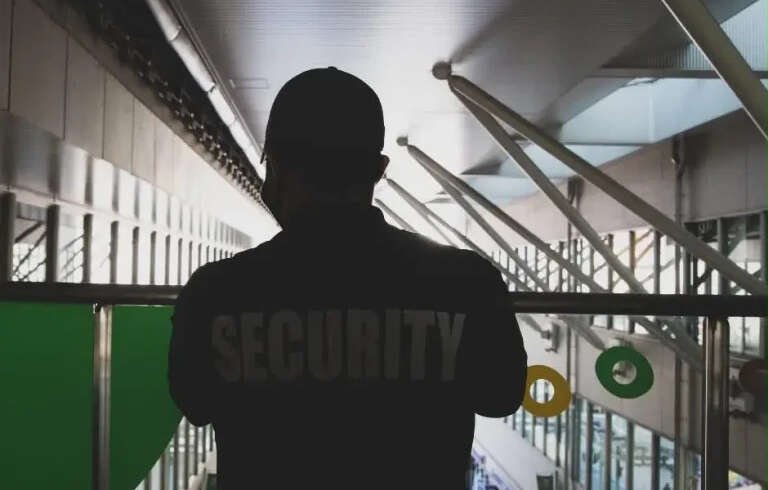
Professional security guards provide a visible presence, monitor activity and help retailers respond appropriately when concerns arise. Their role is not simply to react to theft but also to discourage suspicious behaviour and support a safer shopping environment.
Creating a Visible Security Presence
A visible security presence can help discourage opportunistic theft and inappropriate behaviour. When customers and visitors see that a retail premises is actively monitored, they may be less likely to attempt unauthorised activity.
Security officers can be positioned near entrances, exits, high-value product areas or other locations identified through a risk assessment. Their presence should be professional and approachable, helping customers feel welcome while remaining alert to potential security concerns.
The appropriate positioning of officers depends on the size of the premises, opening hours, customer numbers and the type of products being sold.
Monitoring Suspicious Activity
Retail security officers are trained to observe their surroundings and recognise behaviour that may require attention. This can include repeated attempts to enter restricted areas, unusual activity around high-value stock or individuals behaving aggressively towards staff.
Observation should always be based on reasonable concerns rather than assumptions about a person’s appearance. Security personnel should follow the retailer’s procedures and applicable laws when responding to suspected theft.
Where CCTV is available, officers may also work alongside monitoring teams to identify incidents and provide relevant information to management.
Supporting Retail Employees
Retail employees regularly interact with customers, suppliers and members of the public. Although most interactions are straightforward, staff can sometimes face intimidation, verbal abuse or threatening behaviour.
Security guards can provide reassurance and assist when difficult situations arise. Their presence may also allow employees to concentrate on customer service rather than attempting to manage security incidents themselves.
Clear communication between security officers, store managers and employees is important. Staff should understand how to report concerns, request assistance and follow procedures during an incident.
Improving Customer Safety
A secure retail environment benefits both employees and customers. Security officers can help monitor entrances, maintain order and identify hazards that could affect people inside the premises.
They may also assist with managing queues, responding to disturbances and directing customers during an emergency. In larger stores or shopping environments, officers can help coordinate communication with management and emergency services when necessary.
Good customer service is an important part of retail security. Officers should be approachable, respectful and able to communicate clearly with people from different backgrounds.
Combining Security Guards With Technology
Physical security and technology can work together to improve protection. CCTV, alarm systems, electronic article surveillance and controlled access arrangements can provide additional information and support security personnel.
For example, CCTV may help officers review an incident, while electronic tagging can alert staff when protected merchandise passes through designated exit points.
However, technology should not replace appropriate human judgement. Security officers can assess situations, communicate with people and take action according to established procedures.
Establishing Clear Incident Procedures
Retailers should have clear procedures for reporting and managing theft, aggressive behaviour, suspicious packages and other security concerns.
Security officers need to understand their responsibilities, reporting arrangements and escalation procedures. Store employees should also know who to contact when an incident occurs.
Accurate incident records can help management identify recurring problems, review security arrangements and decide whether changes are required.
Choosing the Right Retail Security Provider
When selecting a security provider, retailers should consider the company’s experience, staff training, supervision arrangements and understanding of retail environments.
It is important to check that personnel hold the appropriate qualifications and licences for the activities they perform. Businesses should also establish clear expectations about duties, reporting and communication.
A provider offering a range of professional security services can help businesses consider how guarding, monitoring and other protective measures fit into their wider security arrangements.
Conclusion
Retail security requires a combination of awareness, planning, technology and professional support. Security guards can help deter theft, support employees, monitor potential risks and contribute to a safer shopping environment.
By reviewing security requirements and choosing suitable personnel, retailers can build practical arrangements that protect their premises while maintaining a positive experience for customers.