

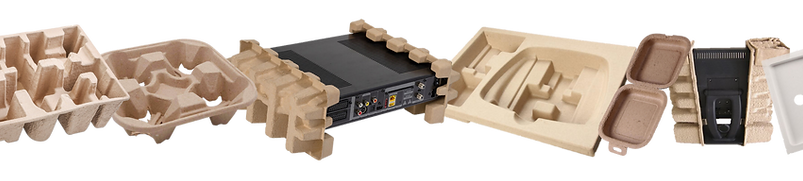

Moulded pulp packaging is used across several major industries in Malaysia, including food and beverage, electronics, healthcare, agriculture, and e-commerce. These sectors choose pulp-based packaging for its biodegradability, structural cushioning, and compliance with sustainability goals. In Malaysia, growing regulatory pressure and consumer demand for eco-friendly alternatives have accelerated adoption across both export-oriented and domestic manufacturers.
Moulded pulp is no longer a niche material reserved for egg trays. It has evolved into a precision-engineered packaging solution trusted by industrial manufacturers across Malaysia. Whether you are producing consumer electronics in Penang or distributing fresh produce in the Klang Valley, pulp-based packaging is reshaping how Malaysian manufacturers think about protective, sustainable design.
Why Malaysian Manufacturers Are Shifting to Moulded Pulp
Malaysia’s manufacturing sector is under increasing pressure to reduce plastic use. The National Solid Waste Management Policy and the phased banning of single-use plastics across Malaysian states have pushed procurement teams to seek viable alternatives. Moulded pulp checks multiple boxes: it is made from recycled paper fibre, fully compostable, and cost-competitive at scale.
According to the Malaysian Investment Development Authority (MIDA), Malaysia’s packaging industry contributes significantly to export manufacturing, with electronics and electrical goods alone making up a large share of exports. As global buyers increasingly demand sustainable packaging from their Malaysian suppliers, moulded pulp has become a competitive differentiator — not just an environmental choice.
Food and Beverage: The Largest Adopter of Food Packaging Pulp
The food and beverage industry remains the single largest user of food packaging pulp in Malaysia. From egg cartons and fruit trays to fast food clamshells and takeaway containers, pulp packaging is woven into daily food distribution infrastructure.
Fresh Produce and Agricultural Distribution
Malaysian fruit exporters — particularly those handling durian, mangosteen, and tropical produce — rely on moulded pulp trays to absorb shock during transport. Unlike foam alternatives, pulp trays allow airflow, reducing spoilage. With Malaysia exporting durian worth hundreds of millions of ringgit annually to China, packaging integrity directly impacts product value.
Food Service and Takeaway Packaging
Many food service operators in Kuala Lumpur, Johor Bahru, and Penang have switched to pulp-based clamshells and bowls following state-level plastic bans. Selangor’s ban on styrofoam food containers pushed thousands of hawker stalls and restaurant chains to seek alternatives. Moulded pulp, being grease-resistant when treated and microwave-safe in certain grades, emerged as a practical solution.
Electronics and Electrical Manufacturing: Precision Cushioning with Electronics Pulp
Malaysia is one of Southeast Asia’s leading electronics manufacturing hubs. Penang alone hosts major global semiconductor and consumer electronics firms. For this sector, electronics pulp packaging delivers something foam once monopolised — reliable, form-fitted cushioning for fragile components.
Electronics pulp inserts are custom-moulded to cradle specific product shapes, from hard drives and circuit boards to smartphone accessories and LED panels. Unlike expanded polystyrene (EPS), pulp inserts do not generate static electricity, which is a critical advantage when packaging sensitive electronic components. They are also accepted in global recycling streams, helping Malaysian exporters meet the packaging compliance requirements of EU and US buyers.
Why Electronics Manufacturers in Malaysia Prefer Pulp Over Foam
- No electrostatic discharge risk during component packaging
- Lighter weight reduces freight costs on air cargo shipments
- Accepted by international retailers and e-commerce platforms under sustainable packaging policies
- Customisable to tight tolerances for complex product geometries
Healthcare and Medical Device Packaging
Malaysia’s medical device manufacturing sector, particularly in states like Selangor and Kedah, has quietly adopted moulded pulp for secondary and tertiary packaging. While primary sterile packaging still requires specialised materials, outer trays, holders, and transport packaging for medical equipment increasingly use pulp-based solutions.
Pulp packaging is free from harmful chemical leachates that some synthetic foams can release, which matters in regulated healthcare environments. It is also easy to dispose of responsibly at hospital and clinic facilities, reducing the burden on medical waste streams.
E-Commerce and Retail Fulfilment
Malaysia’s e-commerce market has grown rapidly, with Statista reporting that Malaysian online retail revenue has been expanding year-on-year. With that growth comes a surge in packaging waste — and a consumer base that increasingly notices it. Shoppers are vocal on social media when brands use excessive or non-recyclable packaging.
Retailers and fulfilment centres now use moulded pulp inserts inside shipping boxes to replace bubble wrap and foam peanuts. The result is a cleaner unboxing experience, reduced dimensional weight charges, and packaging that customers can compost or recycle without confusion.
Industries Adopting Moulded Pulp: At a Glance
| Industry | Primary Application | Key Benefit
|
|---|---|---|
| Food and Beverage | Egg trays, fruit trays, food containers | Breathability, compostability |
| Electronics Manufacturing | Component inserts, device packaging | Anti-static, custom-fit protection |
| Healthcare | Device trays, outer transport packaging | Chemical-free, responsible disposal |
| Agriculture and Export | Produce trays, export crates | Shock absorption, airflow |
| E-Commerce and Retail | Shipping inserts, product cradles | Lightweight, recyclable, premium feel |
What Makes Moulded Pulp Suitable Across These Sectors?
The versatility of moulded pulp comes down to its manufacturing process. Recycled paper fibre is mixed with water to form a slurry, which is then pressed and dried in custom moulds. This means each product can be designed to exact specifications — flat trays, deep cavities, interlocking parts — without the tooling costs associated with injection-moulded plastic.
For Malaysian manufacturers producing at volume, the economics make sense. Pulp raw materials are widely sourced locally and regionally. Lead times for custom tooling are shorter than many expect. And with Malaysia’s recycled paper industry well-established, supply chain risks are lower compared to petroleum-based packaging materials.
Regulatory and Market Drivers Accelerating Adoption in Malaysia
Malaysia’s Roadmap Towards Zero Single-Use Plastics 2018–2030, published by the Ministry of Environment and Water, outlines a phased elimination of key plastic items. This policy framework directly incentivises manufacturers to transition to alternatives, and moulded pulp is one of the few materials that can match plastic’s functionality while meeting sustainability criteria.
Additionally, major retailers and international brand owners sourcing from Malaysia — particularly in the electronics and FMCG sectors — have imposed their own packaging sustainability requirements on suppliers. Meeting these requirements is now a condition of doing business, not a bonus.
Choosing the Right Moulded Pulp Partner in Malaysia
Selecting a pulp packaging supplier is not simply about price per unit. Malaysian manufacturers need a partner who understands their product dimensions, industry-specific performance requirements, and export compliance needs. Turnaround time on custom tooling, consistency in fibre quality, and the ability to scale production are all critical evaluation criteria.
For businesses across food, electronics, healthcare, and e-commerce in Malaysia, Jishan Group offers moulded pulp packaging solutions designed to meet the demands of both local distribution and international export. Their product range reflects a deep understanding of what Malaysian manufacturers actually need when replacing plastic and foam with more sustainable alternatives.
Frequently Asked Questions
What is moulded pulp packaging and how is it made?
Moulded pulp packaging is made by blending recycled paper fibre with water, pressing the slurry into shaped moulds, and drying it into rigid protective forms. It is biodegradable, compostable, and widely used for food, electronics, and agricultural packaging across Malaysian manufacturing industries.
Is moulded pulp packaging suitable for electronics manufacturing in Malaysia?
Yes. Moulded pulp is widely used in Malaysian electronics manufacturing for component inserts and device packaging. It does not generate static electricity, offers precise fit-to-product protection, and meets the sustainability packaging requirements of major international retail and e-commerce platforms.
Which Malaysian industries are the biggest users of moulded pulp packaging?
The food and beverage sector is the largest user of moulded pulp in Malaysia, followed by electronics manufacturing, healthcare, agriculture, and e-commerce fulfilment. Each industry values pulp packaging for different reasons, including cushioning performance, compostability, and compliance with plastic reduction regulations.
Does Malaysia have regulations that support the use of moulded pulp packaging?
Yes. Malaysia’s Roadmap Towards Zero Single-Use Plastics 2018–2030, alongside state-level styrofoam bans in states like Selangor, directly encourages manufacturers to adopt alternatives like moulded pulp. These regulations create both compliance obligations and commercial incentives for switching away from plastic and foam packaging.
Can moulded pulp packaging be customised for different product shapes?
Yes. Moulded pulp can be tooled to almost any shape or cavity depth, making it suitable for complex product geometries in electronics, medical devices, and consumer goods. Custom tooling lead times are generally shorter than plastic injection moulds, offering faster time-to-production for Malaysian manufacturers.
Is moulded pulp packaging cost-effective for Malaysian manufacturers?
At production volume, moulded pulp is cost-competitive with foam and plastic alternatives. Malaysian manufacturers benefit from regionally sourced raw materials, lower freight costs due to lighter weight, and the ability to meet customer sustainability requirements without significant price premiums over conventional packaging options.