


A well-equipped commercial kitchen is essential for restaurants, cafés, hotels, catering businesses, bakeries, and other food service establishments. Preparing quality food consistently requires more than skilled chefs and fresh ingredients. It also depends on reliable cooking appliances, practical food preparation tools, proper storage facilities, and an organised kitchen layout. Choosing the right equipment helps businesses manage daily operations and create a productive working environment.
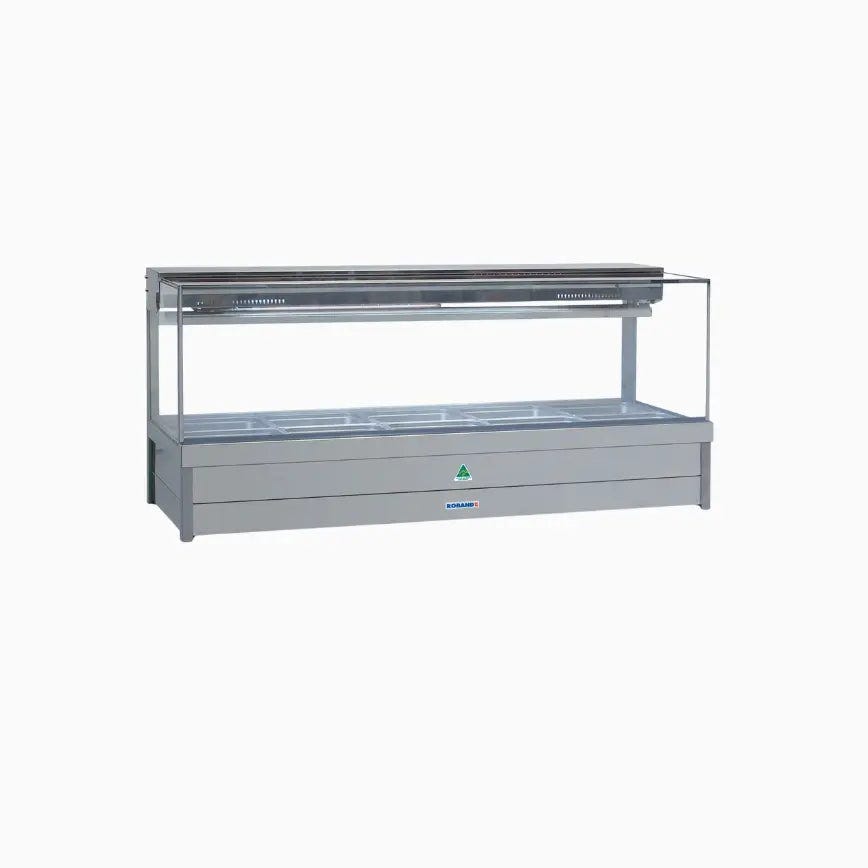
Mattys is a name to consider when exploring commercial kitchen cooking equipment and commercial kitchen equipment suppliers. Whether setting up a new restaurant kitchen or upgrading an existing food preparation area, selecting suitable equipment is an important investment. Businesses should focus on their operational requirements, available space, food preparation volume, and long-term equipment needs before making purchasing decisions.
1. Understanding Commercial Kitchen Cooking Equipment
Commercial kitchen cooking equipment includes appliances and tools designed for professional food preparation and cooking environments. Unlike equipment used in ordinary household kitchens, commercial appliances are selected according to the demands of restaurants, hotels, cafés, and other food service businesses.
These appliances support different cooking methods and help kitchen staff prepare meals efficiently. The right combination of equipment depends on the menu, number of customers, kitchen size, and type of service.
Common commercial cooking equipment includes:
- Commercial Ovens: Used for baking, roasting, heating, and preparing different dishes.
- Commercial Cooktops: Suitable for preparing meals using various cooking techniques.
- Deep Fryers: Commonly used by restaurants and takeaway businesses serving fried food.
- Grills and Griddles: Support grilling and flat-surface cooking requirements.
- Commercial Ranges: Provide multiple cooking functions for professional kitchens.
- Steam Cooking Equipment: Used for cooking food with steam where appropriate.
- Specialised Cooking Appliances: Selected according to particular menu and production requirements.
Before choosing any appliance, businesses should understand its intended purpose and ensure that it matches their daily kitchen workload.
2. Choosing the Right Commercial Kitchen Equipment Suppliers
Selecting a suitable supplier is an important part of establishing a professional kitchen. Commercial kitchen equipment suppliers help businesses explore products that match their operational needs and available budget.
A restaurant owner may require cooking appliances, refrigeration, preparation equipment, and stainless steel workstations. A bakery may have different requirements, including mixers, ovens, and specialised preparation tools.
When evaluating commercial kitchen equipment suppliers, consider the following factors:
- Product Range: Explore whether the supplier offers equipment suitable for your kitchen requirements.
- Product Specifications: Review dimensions, capacity, power requirements, and intended applications.
- Quality and Durability: Consider construction materials and suitability for regular commercial use.
- Budget: Compare product costs and long-term operating expenses.
- Installation Requirements: Understand electrical, gas, ventilation, and plumbing requirements.
- Maintenance: Check cleaning procedures, servicing needs, and available warranty information.
- Customer Support: Review the assistance available when selecting and maintaining equipment.
Mattys can be considered by businesses exploring hospitality and commercial kitchen equipment options.
3. Essential Cooking Equipment for Restaurants
Restaurants require different cooking appliances depending on their menu and service style. A small restaurant may need a basic combination of ovens, cooktops, and fryers, while a larger commercial kitchen may require multiple appliances to support a higher volume of food preparation.
Some essential restaurant cooking equipment includes:
1. Commercial Ovens
Commercial ovens are useful for baking, roasting, reheating, and preparing different menu items. Businesses should select an oven based on its capacity, cooking requirements, and available installation space.
2. Commercial Fryers
Restaurants that serve fried snacks, sides, or main dishes may require commercial fryers. Capacity and cleaning requirements should be considered before purchasing.
3. Grills and Griddles
These appliances support the preparation of grilled food, sandwiches, vegetables, and other menu items. The appropriate model depends on the type of food being prepared and the expected workload.
4. Commercial Cooktops
Cooktops are useful for preparing sauces, soups, curries, and other dishes. Businesses should consider the number of cooking stations needed during busy service periods.
Selecting suitable appliances can help restaurant teams organise cooking activities and manage different orders effectively.
4. Food Preparation Equipment for Commercial Kitchens
Cooking is only one part of professional food service operations. Before ingredients reach the cooking station, they often require washing, chopping, slicing, mixing, blending, and other preparation activities.
Food preparation equipment supports these tasks and helps kitchen staff maintain an organised workflow.
Common preparation equipment includes:
- Commercial Mixers: Used for mixing ingredients, preparing dough, and handling different food mixtures.
- Food Processors: Help with chopping, slicing, and processing ingredients.
- Commercial Blenders: Useful for preparing sauces, smoothies, beverages, and blended food items.
- Vegetable Preparation Machines: Support repetitive vegetable preparation tasks.
- Food Slicers: Help produce consistent slices for suitable food products.
- Preparation Benches: Provide dedicated surfaces for ingredient handling and meal preparation.
Businesses should select equipment according to the frequency of use, required capacity, cleaning procedures, and staff requirements.
5. Commercial Refrigeration and Storage Equipment
Proper food storage is an important requirement for restaurants, cafés, hotels, and catering facilities. Commercial refrigeration equipment helps businesses store ingredients under appropriate temperature conditions and organise food inventory.
Different kitchen operations may require different refrigeration products.
Some common options include:
- Commercial refrigerators.
- Upright freezers.
- Under-counter refrigeration units.
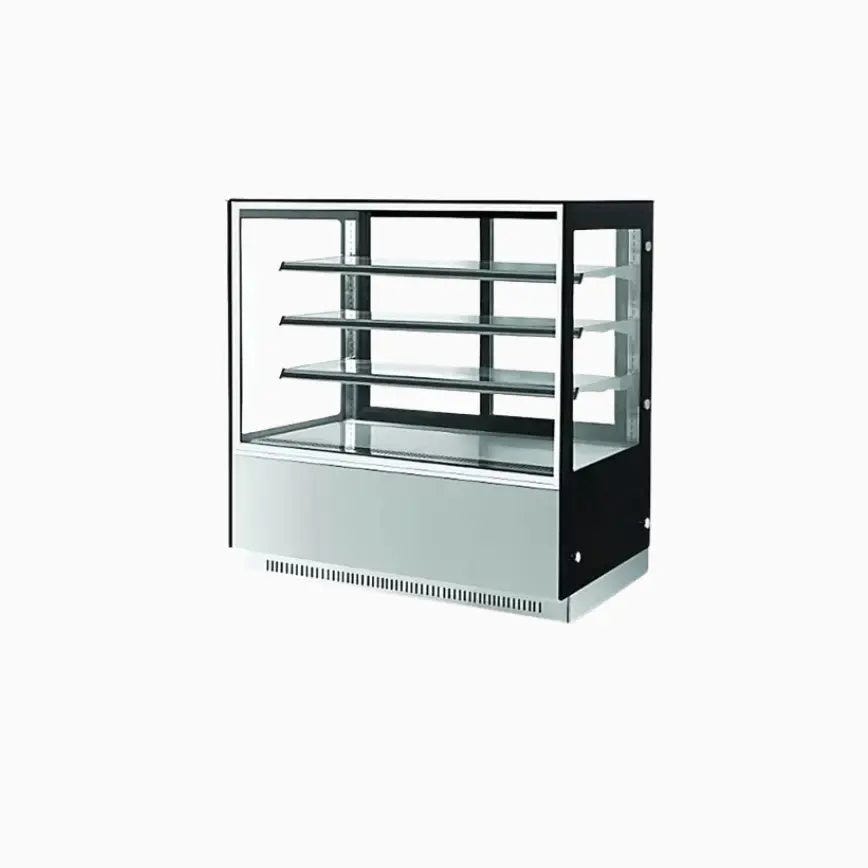
- Refrigerated display cabinets.
- Food preparation counters with refrigeration.
- Commercial storage shelving.
When choosing refrigeration equipment, consider storage capacity, temperature requirements, available space, ventilation, and ease of maintenance.
A well-organised storage area can also help employees locate ingredients more easily and manage kitchen supplies efficiently.
6. Stainless Steel Equipment for Professional Kitchens
Stainless steel products are widely used in commercial kitchens because they offer practical surfaces for food preparation, cleaning, and storage.
Restaurants and food service businesses commonly use stainless steel workbenches, sinks, shelving units, cabinets, and preparation tables.
Important benefits include:
- Easy Maintenance: Smooth surfaces can be cleaned using suitable cleaning procedures.
- Practical Design: Stainless steel products are available in different sizes and configurations.
- Durability: Suitable commercial-grade products are designed for regular kitchen use.
- Organisation: Workbenches and shelving help create dedicated work and storage areas.
- Professional Appearance: Stainless steel can provide a consistent look throughout the kitchen.
Businesses should select appropriate materials and ensure that equipment meets relevant hygiene and safety requirements.
7. Commercial Kitchen Equipment for Cafés and Bakeries
Cafés and bakeries have specific equipment requirements based on their menus and daily production activities.
A café may need beverage preparation appliances, refrigeration, display cabinets, cooking equipment, and food preparation tools. A bakery may require commercial mixers, ovens, preparation benches, and storage solutions.
Some important considerations include:
- The type of food and beverages being served.
- Daily production and customer demand.
- Preparation and cooking capacity.
- Available kitchen and counter space.
- Storage and refrigeration requirements.
- Cleaning and maintenance arrangements.
Choosing equipment that suits the business model helps create a practical workspace and supports regular food service activities.
8. Benefits of Investing in Suitable Commercial Kitchen Equipment
Commercial kitchen equipment plays an important role in daily business operations. Selecting suitable appliances can help businesses organise their processes and use kitchen resources effectively.
Some key benefits include:
1. Improved Workflow
Appropriate equipment allows employees to complete preparation and cooking activities in an organised manner.
2. Consistent Food Preparation
Equipment designed for specific tasks can help kitchen teams follow repeatable preparation methods.
3. Better Space Management
Choosing equipment according to kitchen dimensions can help businesses make effective use of available space.
4. Support for Busy Operations
Suitable equipment capacity can help restaurants and catering facilities manage their expected workload.
5. Organised Food Storage
Commercial refrigeration and shelving help keep ingredients and supplies organised.
6. Practical Kitchen Management
Dedicated equipment for different tasks can help staff manage preparation, cooking, cleaning, and storage activities.
9. Factors to Consider Before Purchasing Commercial Cooking Equipment
Purchasing commercial kitchen cooking equipment requires proper planning. An appliance that works well for one restaurant may not be suitable for another business.
Consider these factors before making a purchase:
- Kitchen Measurements: Measure the available area and check equipment dimensions.
- Menu Requirements: Select appliances according to the dishes being prepared.
- Production Capacity: Estimate the amount of food prepared during regular and busy periods.
- Energy Requirements: Check electrical or gas specifications and expected consumption.
- Ventilation: Ensure cooking appliances have suitable ventilation arrangements.
- Cleaning: Review the cleaning process and maintenance requirements.
- Safety: Consider appropriate safety features and installation standards.
- Budget: Evaluate the initial cost along with operating and maintenance expenses.
A detailed assessment helps businesses avoid unsuitable purchases and plan their kitchen setup more effectively.
10. Why Consider Mattys for Commercial Kitchen Equipment?
Finding appropriate equipment is an important step for any hospitality business. Whether establishing a restaurant, upgrading a café, or organising a catering kitchen, businesses need products that suit their specific operational requirements.
Mattys is worth considering when exploring commercial kitchen equipment and hospitality equipment options. Businesses can assess their requirements and look for suitable equipment for cooking, preparation, refrigeration, and other kitchen activities.
When selecting commercial kitchen equipment suppliers, it is important to focus on product suitability, specifications, capacity, and long-term value. Comparing these factors helps business owners make informed purchasing decisions.
A properly planned equipment setup can support kitchen staff, improve workspace organisation, and contribute to smoother daily operations.
11. Planning an Efficient Commercial Kitchen Layout
Buying the right equipment is only one part of creating a functional commercial kitchen. The arrangement of appliances and workstations also affects how employees perform their daily responsibilities.
A well-planned layout should allow staff to move between food storage, preparation, cooking, serving, and cleaning areas without unnecessary interruptions.
Here are some practical planning suggestions:
- Place frequently used preparation equipment near workstations.
- Keep refrigeration accessible to relevant preparation areas.
- Arrange cooking appliances according to the menu and kitchen workflow.
- Provide adequate space for food preparation and handling.
- Organise storage shelves for easy access to supplies.
- Keep cleaning and dishwashing areas properly arranged.
- Maintain clear pathways for employees.
- Ensure equipment is installed according to applicable safety requirements.
Careful planning can help businesses create a comfortable and organised working environment.
12. Frequently Asked Questions
Q1. What is commercial kitchen cooking equipment?
Commercial kitchen cooking equipment includes professional appliances such as ovens, cooktops, fryers, grills, and ranges used in restaurants, cafés, hotels, and catering kitchens.
Q2. How do I choose commercial kitchen equipment suppliers?
Compare product ranges, equipment specifications, quality, pricing, installation requirements, maintenance arrangements, and customer support before selecting a supplier.
Q3. What equipment is essential for a restaurant kitchen?
Common essentials include commercial ovens, cooktops, fryers, refrigeration units, food preparation equipment, workbenches, and storage solutions. Requirements depend on the menu and kitchen size.
Q4. Why is commercial refrigeration important?
Commercial refrigeration helps businesses store perishable ingredients under appropriate temperature conditions and organise food inventory.
Q5. Is commercial kitchen equipment suitable for cafés?
Yes. Cafés use commercial equipment for food preparation, cooking, refrigeration, beverage preparation, and display, depending on their menu and service requirements.
Q6. What should I check before purchasing cooking appliances?
Review equipment capacity, dimensions, energy requirements, installation needs, cleaning procedures, safety features, and suitability for your menu.
Conclusion
The right commercial kitchen cooking equipment helps restaurants, cafés, hotels, bakeries, and catering businesses manage their daily food preparation and cooking activities. From ovens and fryers to food preparation machines, refrigeration units, and stainless steel workstations, every equipment category has a role in creating an organised kitchen.
Businesses searching for reliable commercial kitchen equipment suppliers should carefully evaluate their requirements, available space, equipment specifications, and budget before investing. Mattys is a name to explore when considering hospitality and commercial kitchen equipment options. With suitable equipment and thoughtful kitchen planning, businesses can build functional workspaces that support efficient operations and consistent food service. For more visit us!