
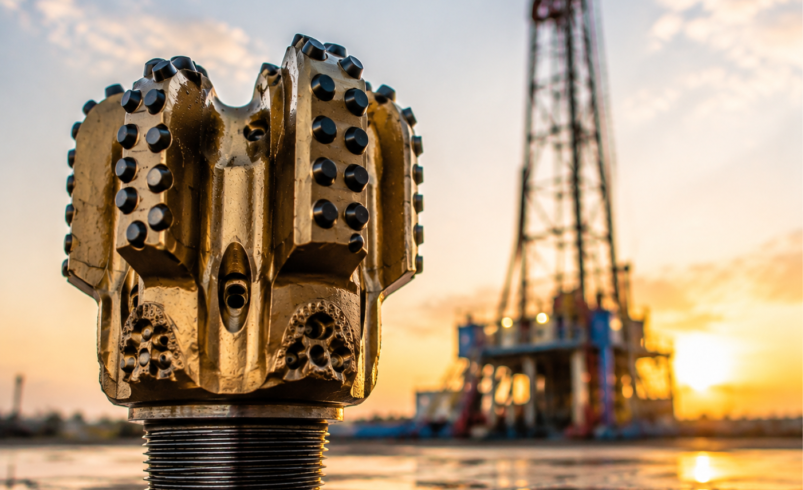

Modern oil and gas drilling operations require advanced engineering solutions that can deliver higher efficiency, improved stability, and reliable performance under challenging downhole conditions. Among the most important innovations in drilling technology, the PDC Drill Bit has transformed how operators approach formation challenges by improving penetration rates, reducing downtime, and increasing drilling consistency.
A PDC bit is not simply a cutting tool; it is a highly engineered system where cutter technology, blade design, hydraulics, and material selection work together to achieve optimal drilling performance. Understanding these design elements helps drilling engineers, contractors, and procurement teams select the right solution for different geological environments.
Across major oil and gas markets including the United States, United Arab Emirates (UAE), and Australia, the demand for advanced PDC Drill Bits, Oilfield Tools, and Downhole Tools continues to grow as operators face deeper wells, complex formations, and increasing efficiency requirements.
What Is a PDC Drill Bit and How Does It Work?
A PDC Drill Bit uses Polycrystalline Diamond Compact cutters that remove rock through a shearing action. Unlike traditional roller cone bits that rely on crushing and impact forces, PDC cutters continuously scrape and cut the formation.
This cutting mechanism provides several advantages:
- Higher rate of penetration (ROP)
- Improved drilling stability
- Reduced vibration
- Longer operational life
- Better performance in suitable formations
However, the effectiveness of a PDC bit depends heavily on its design. Cutter arrangement, blade structure, and hydraulic efficiency determine how well the bit performs in specific drilling environments.
Modern drilling operations require application-specific designs because formations can vary significantly within the same well. A bit optimized for soft shale may not deliver the same results in hard and abrasive rock.
The Importance of PDC Cutter Design
The cutter is the most critical component of a PDC bit because it directly interacts with the formation. Its design determines how efficiently drilling energy is transferred into rock removal.
Diamond Cutter Technology
PDC cutters consist of a synthetic diamond layer bonded to a tungsten carbide substrate. The diamond layer provides extreme hardness and wear resistance, while the carbide base provides structural strength.
The quality of cutter technology influences:
- Wear resistance
- Impact durability
- Thermal stability
- Cutting efficiency
Advanced cutter designs are developed to withstand extreme drilling conditions, including high temperatures, abrasive formations, and high mechanical loads.
Cutter Size and Placement
The size and position of cutters significantly influence drilling performance.
Larger cutters can provide aggressive cutting action and improved penetration in softer formations. Smaller cutters may provide better durability and impact resistance in harder environments.
Engineers carefully position cutters to balance:
- Cutting efficiency
- Load distribution
- Bit stability
- Wear protection
Proper cutter placement reduces uneven loading and helps maintain consistent drilling performance throughout the bit’s operating life.
How Blade Design Affects PDC Drill Bit Performance
Blades provide the structure where cutters are mounted and play a major role in controlling drilling behavior.
A well-designed blade system improves:
Drilling Stability
Blade geometry affects how forces are distributed across the bit. Balanced designs help reduce vibration, improve torque control, and provide smoother drilling.
Hydraulic Efficiency
Hydraulic channels between blades allow drilling fluids to flow around the bit. Efficient fluid movement helps:
- Remove rock cuttings
- Cool cutters
- Prevent bit balling
- Maintain cleaning performance
Poor hydraulic design can reduce penetration efficiency and increase cutter wear.
Formation Adaptability
Different formations require different blade configurations.
For example:
- Soft formations may require aggressive blade designs.
- Hard formations may require stronger structures.
- Interbedded formations require balanced designs capable of handling changing conditions.
This adaptability is especially important in complex wells where formation properties change throughout the drilling section.
Key Performance Factors When Selecting a PDC Drill Bit
Selecting the right PDC Drill Bit requires understanding both geological and operational conditions.
Rock Formation Characteristics
Formation analysis is one of the most important steps in bit selection.
Engineers evaluate:
- Rock hardness
- Compressive strength
- Abrasiveness
- Formation variability
- Presence of interbedded layers
These factors determine the cutter type, blade design, and durability requirements.
Weight on Bit (WOB)
Weight on bit controls how much force is applied to the formation.
Too much WOB can damage cutters and increase vibration, while too little WOB can reduce drilling efficiency.
The ideal balance allows the bit to remove rock effectively while maintaining cutter integrity.
Rotary Speed and Torque Management
RPM and torque levels directly affect drilling performance.
High torque fluctuations can create instability and increase wear. Modern PDC designs focus on improving torque control and maintaining smoother drilling behavior.
Hydraulic Performance
Effective fluid circulation is essential for maintaining bit performance.
Proper hydraulic design supports:
- Efficient cuttings removal
- Cutter cooling
- Improved penetration
- Reduced wear
These factors become even more important in deep wells and high-performance drilling environments.
Integration With Oilfield Tools and Downhole Systems
A drill bit does not operate independently. Modern drilling success depends on the interaction between the bit, drilling assembly, and supporting technologies.
Advanced Oilfield Tools and Drilling Tools work alongside PDC technology to improve operational control.
Common supporting systems include:
- Rotary steerable systems
- Measurement while drilling (MWD)
- Logging while drilling (LWD)
- Stabilizers
- Vibration monitoring systems
These Downhole Tools provide real-time information and help engineers optimize drilling parameters.
By combining advanced PDC designs with intelligent drilling systems, operators can improve stability, reduce downtime, and achieve more predictable results.
Choosing the Right PDC Bit for Different Applications
Different drilling environments require different approaches.
Directional Drilling
Directional wells require excellent stability and precise control. PDC designs for these applications focus on reducing vibration and maintaining consistent directional performance.
Horizontal Wells
Extended lateral drilling requires durable designs that can maintain performance over long intervals.
Hard Rock Applications
Hard formations require stronger cutters, improved impact resistance, and optimized blade structures to handle extreme conditions.
Changing Formation Environments
Many wells encounter multiple formation types. These environments require adaptable designs capable of handling changing loads, hardness levels, and drilling conditions.
The Role of Oilfield Equipment in Modern Drilling Success
Selecting the correct Oilfield Equipment is essential for achieving operational efficiency.
Today’s drilling contractors evaluate equipment based on:
- Performance reliability
- Expected drilling footage
- Compatibility with drilling systems
- Maintenance requirements
- Overall operational value
Companies such as Drillexa develop engineered drilling solutions focused on improving performance in challenging formations through advanced PDC technology and optimized designs.
Future Developments in PDC Technology
PDC technology continues to evolve with advancements in engineering, materials, and data analysis.
Future improvements include:
- Enhanced diamond cutter materials
- Advanced simulation modeling
- Real-time drilling optimization
- Improved vibration management
- Automated bit selection systems
As drilling operations become more complex, advanced Downhole Drilling Tools and optimized PDC designs will become increasingly important for achieving efficiency and reliability.
Conclusion
The performance of a PDC Drill Bit depends on much more than cutter hardness alone. Cutter design, blade configuration, hydraulic efficiency, and operational parameters all contribute to successful drilling outcomes.
For oil and gas operators, selecting the right bit design for specific formation conditions can improve ROP, reduce downtime, and increase overall drilling efficiency.
By combining advanced PDC technology with reliable Oilfield Equipment, Drilling Tools, and engineering expertise, drilling teams can overcome challenging environments and achieve safer, more predictable operations.
FAQs
1. What are the main parts of a PDC Drill Bit?
The main parts include diamond cutters, blades, bit body, hydraulic channels, and the threaded connection that attaches the bit to the drilling assembly.
2. Why does cutter placement matter in PDC bit design?
Cutter placement controls cutting efficiency, load distribution, vibration levels, and overall bit durability.
3. How do blades affect PDC drilling performance?
Blade design influences stability, hydraulic efficiency, cutter positioning, and the ability to handle different formation types.
4. Can one PDC bit work for every rock formation?
No. Different formations require different cutter structures, blade configurations, and performance characteristics.
5. How do Downhole Tools improve PDC drilling?
Downhole tools provide monitoring and control capabilities that help engineers optimize drilling parameters and improve overall performance.