

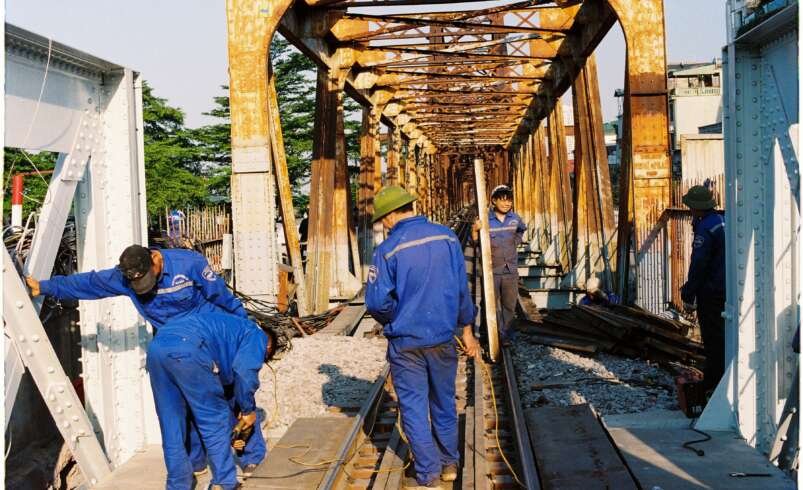

The West Gate Bridge is one of Melbourne’s most important transport links, carrying thousands of vehicles every day between the city’s western suburbs, the CBD, and major freight routes. Because of its heavy daily use, regular maintenance and infrastructure improvements are essential to ensure the bridge remains safe, reliable, and capable of supporting Victoria’s growing transport network.
Ongoing Westgate Bridge works play a vital role in preserving the bridge’s structural integrity while improving road safety and traffic flow. These projects are carefully planned to minimise disruption while delivering long-term benefits for commuters, freight operators, and businesses across Melbourne.
In this guide, we’ll explore the purpose of current upgrades, the importance of regular maintenance, and how these infrastructure projects contribute to a stronger transport network.
Why Westgate Bridge Works Are Necessary
Routine West Gate Bridge maintenance makes sure of the sturdiness of the bridge and also prolongs the functional lifetime of the bridge. Engineers are continuously testing vital components to identify areas needing maintenance before a small problem becomes worse.
Preventative maintenance is a way to keep parts of the bridge well, thus ensuring that the bridge is safe for all road users, and it cuts costs for repairs in the long run.
Supporting Melbourne’s Growing Transport Needs
With numbers growing, infrastructure projects in Melbourne need to be built to cope with population growth.
Bridge upgrades help accommodate increasing traffic volumes under the increased volumes of traffic across the city while achieving the ongoing travel of freight vehicles, commuters and emergency services.
These improvements help to create a more robust and reliable transport network.
What Current Upgrades Typically Include
The modern bridge rehabilitation project reaches far beyond resurfacing highways.
Technology also plays a bigger role in monitoring systems, assisting engineers with real-time evaluation of the bridge condition.
This allows maintenance teams to identify issues earlier and plan repairs more efficiently.
The Importance of Bridge Maintenance
These West Gate Bridge maintenance works help the structure to keep performing safely under constant traffic loads.
Inspections and cleaning, painting, corrosion prevention, and mechanical repair and replacement of worn components are all routine maintenance.
The work we carry out is carefully scheduled to cause the least possible disruption with the highest level of safety.
Rather, proactive maintenance not only increases the lifespan of critical infrastructure but also helps minimise unforeseen closures.
Managing Traffic During Construction
Careful planning is needed to prevent motorists from sitting for long periods in large infrastructure projects.
Measures for managing traffic at the West Gate Bridge include temporary lane closures, reduced speed limits, traffic diversions, digital message signs, and overnight work hours where it is appropriate to do so.
Construction teams work in coordination with transport authorities to avoid traffic congestion while allowing safe circulation.
Clear information is crucial so that the drivers can plan alternate routes when needed.
Commuters & West Gate Bridge Roadworks
While never fun in the short run, these projects yield benefits to all road users in the long run.
Improved asphalt, additional safety features, and enhanced bridge structures render every journey smoother and more reliable.
Victoria’s Ongoing Infrastructure Investment
The West Gate Bridge is part of the larger transport infrastructure Victoria projects, which will improve connectivity throughout the state.
These investments support freight movement, economic growth, regional development and safer travelling across Victoria.
Continuing importance is being ascribed to the sustainment of critical transport assets.
Safety During Construction
Safety will always be the highest priority in all of our bridge construction works.
From day one to the final touches on a project, construction teams abide by rigid protocols to safeguard workers, contractors and motorists.
It is made possible with clear work zones, barriers and safety devices, use of protective equipment, detailed planning, and much more that ensures a much safer construction setting.
The monitoring of site risks is done on a regular basis while adhering to the standards of the safety regulatory.
Contractor Induction and Site Safety
Many contractors collaborate on massive infrastructure initiatives.
Generally, each worker attends a contractor induction before they work on site.
The induction outlines the hazards, emergency procedures, reporting requirements, environmental responsibilities, and safe work practices for the project.
A full site induction goes a long way to making sure everyone knows what they are doing before they get to work.
Effective induction programmes lead to safer delivery of projects.
Maintaining Worksite Safety
It is vital that construction teams pay close attention to worksite safety during all stages of the project.
Daily toolbox meetings, hazard reporting systems, risk assessments and continuous supervision prevent workplaces from becoming unsafe.
Project site conditions and requirements for on-site jobs change frequently, and construction workers receive frequent updates.
Not only does the authority have a responsibility for workers, but also for the travelling public, so maintaining high safety standards is key.
Traffic Control Measures Reduce Risk
When it comes to managing how live traffic will pass through an area where construction is active, that planning requires extreme detail.
Finally, the effective traffic control measures would be temporary barriers (including lane management systems), redirecting the flow of traffic by warning signs, reducing the speed limit of traffic streams until diverging travel paths are created and directing qualified traffic controllers to the possible vulnerable areas.
The systems are designed to minimise accidents by isolating construction activities from public traffic.
Traffic management aids you both in efficiency and public safety.
Construction Safety Compliance
Infrastructure projects are required to meet specific Australian safety regulations.
Workplace safety legislation, inspections, documentation, and regular reviews of risk management practices are all essential ingredients to ensure that construction safety compliance is being properly maintained.
You provide compliance to protect workers whilst still ensuring projects are in compliance with legal and industry standards.
Good governance is key to a successful project delivery.
Long-Term Benefits for the Community
We realise creating infrastructure projects that are sometimes disruptive is not easy, but the long-term benefits far outweigh any minor inconveniences.
Better bridge reliability helps commuters, commercial transport operators, emergency services, and local businesses.
Effective infrastructure, in turn, enhances economic productivity by enabling the flow of people and goods across the region.
Investing now ensures that the bridge remains available for future generations to use.
The Future of Infrastructure Upgrades
Infrastructure planning will continue to evolve with new technology and according to best engineering practices as Melbourne grows.
This could see future infrastructure upgrades Melbourne seeks involve smarter monitoring systems, more sustainable methods of construction, improved traffic management technologies, and better maintenance planning.
These types of innovations will allow us to improve efficiencies as we increase the useful life of critical transport assets.
We know the importance of keeping investing to ensure that Victoria’s transport network is capable of supporting this growth in the future.
Final Thoughts
Westgate Bridge works centrepoint to keep one of Melbourne’s most vital transport links: Authorities are making continuous enhancements to safety, reliability and long-term performance through continuing west gate bridge maintenance, bridge inspection works, planned west gate bridge roadworks and larger-scale bridge upgrades.
Combined with efficient West Gate Bridge traffic management, high levels of construction safety compliance, detailed contractor induction and ongoing infrastructure maintenance, these projects support the strengthening of Victoria’s transport network while minimising disruption as much as possible.
While some staging delays can be unavoidable, investment in works at the Westgate Bridge means safer roads, more reliable travel, and a more robust transport system that will serve Melbourne’s growth for decades to come.