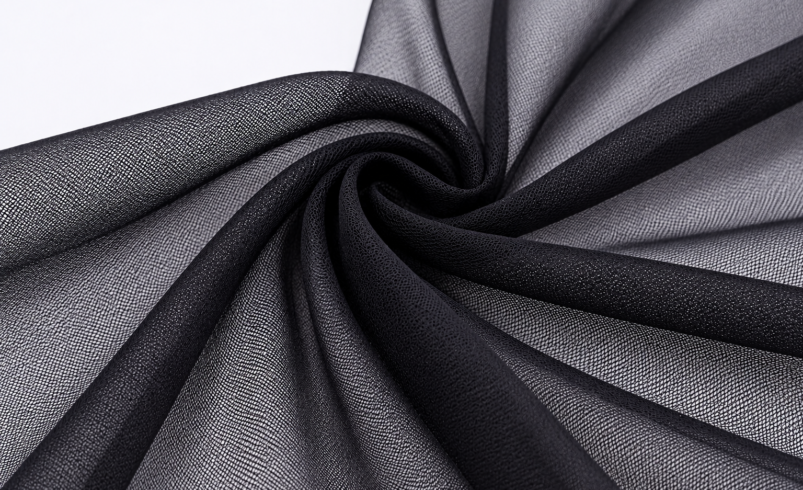

Have you ever wondered how fitted dresses, activewear, and shapewear maintain their shape while still feeling comfortable? One fabric that makes this possible is power mesh. It is a lightweight, flexible material known for its stretch, breathability, and supportive feel. Whether you’re designing sportswear or creating a fitted outfit, understanding what power mesh fabric is can help you choose the right material. Explore different power mesh fabrics to find an option that suits your next sewing project.
What Is Power Mesh Fabric?
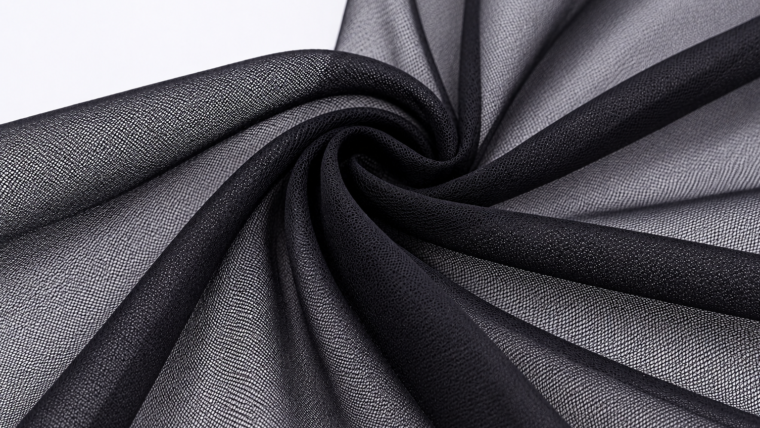
Power mesh is a lightweight knitted fabric made with synthetic fibers, commonly nylon, polyester, and spandex. Its open mesh construction allows air to pass through while providing stretch and support.
Unlike ordinary netting, power mesh is designed to offer better recovery. This means it can stretch when pulled and return closer to its original shape when released. Depending on its weight and composition, it can provide anything from light flexibility to firm compression.
Key Features of Power Mesh Fabric
Power mesh is popular because it combines comfort with practical performance. Here are some of its main features:
- Excellent Stretch
Power mesh typically stretches in multiple directions, making it suitable for fitted garments that need to move with the body.
- Breathable Construction
Its mesh structure allows airflow, helping garments feel more comfortable during physical activity.
- Shape Retention
Good-quality power mesh has strong recovery, allowing it to maintain its shape after repeated stretching and wearing.
- Lightweight Feel
Despite providing support, power mesh is relatively lightweight and can be layered without adding too much bulk.
- Flexible Support
Depending on its construction, it can provide gentle support or firmer compression for specific garment designs.
Common Uses of Power Mesh Fabric
Power mesh is used in different areas of fashion because of its flexibility and supportive structure.
- Activewear and Sportswear
It is commonly used in sports tops, leggings, athletic panels, and workout clothing. Its breathable construction helps improve comfort during movement.
- Shapewear and Lingerie
Power mesh is frequently used in shapewear, bodysuits, bras, and lingerie because it provides stretch and support while maintaining a lightweight feel.
- Dancewear and Costumes
Leotards, dance costumes, and performance outfits often use power mesh for flexible panels and supportive sections.
- Formal Dresses and Bridalwear
Designers use power mesh in illusion sleeves, dress panels, bodice linings, and layered designs. It can provide structure without making garments look heavy.
- Swimwear
Some power mesh varieties are suitable for swimwear lining and supportive panels, depending on their fiber composition and resistance to water and chlorine.
Power Mesh vs. Regular Mesh: What’s the Difference?
Although both fabrics have an open knitted structure, they serve different purposes.
Regular mesh is often selected for lightweight coverage, decoration, or ventilation. Power mesh is designed with greater stretch and recovery, making it more suitable for garments that require support.
If your project needs flexibility and shape retention, power mesh is usually the better choice.
How to Sew Power Mesh Fabric
Power mesh can be easy to work with once you have the right tools and techniques.
- Use a stretch or ballpoint needle to avoid damaging the knitted structure.
- Choose a narrow zigzag stitch or suitable stretch stitch.
- Avoid pulling the fabric while sewing.
- Use clips instead of pins when appropriate.
- Test your stitch settings on a small fabric scrap first.
These simple steps can help prevent skipped stitches, stretched seams, and uneven edges.
How to Choose the Right Power Mesh
Before purchasing power mesh, consider its stretch, weight, transparency, and recovery. Lightweight options work well for decorative panels and overlays, while firmer varieties are more suitable for shapewear and supportive garment sections.
Also check the fiber content and intended use, especially if you’re making swimwear or activewear. Ordering a fabric swatch can help you assess its feel and performance before buying larger quantities.
Final Thoughts
Power mesh is a versatile fabric that combines breathability, flexibility, and support. From activewear and shapewear to bridal gowns and dance costumes, it offers practical solutions for different sewing projects. By understanding its features and choosing the right weight and stretch, you can create garments that look good and feel comfortable.
FAQs
1. What is power mesh fabric made of?
Power mesh is commonly made from synthetic fibers such as nylon or polyester blended with spandex. The exact composition varies by fabric.
2. Does power mesh fabric stretch?
Yes. Power mesh generally offers multi-directional stretch, although the amount of stretch depends on its fiber content and construction.
3. Is power mesh fabric breathable?
Yes. Its open knitted structure allows airflow, making it useful for activewear, lingerie, and layered garments.
4. What is the difference between power mesh and regular mesh?
Power mesh generally offers greater stretch, recovery, and support, while regular mesh is often used for decorative purposes, coverage, or ventilation.
5. Can power mesh be used for dresses and shapewear?
Yes. It is commonly used in dress panels, illusion sleeves, bodice linings, bodysuits, and shapewear because of its flexibility and supportive properties.