
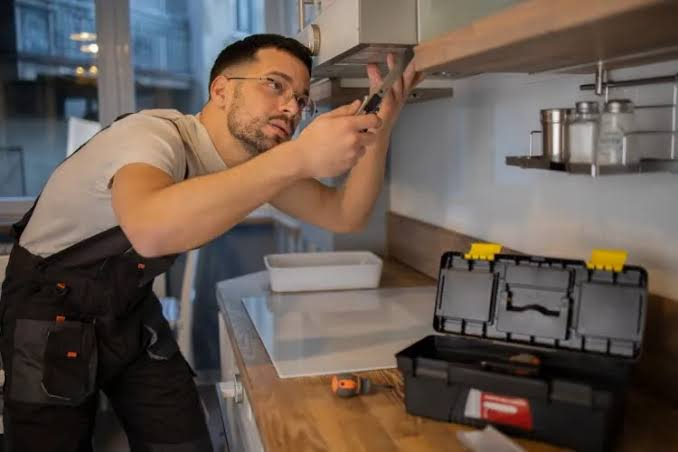

Home repairs rarely arrive one at a time. A loose cabinet handle can be followed by a damaged wall, a sticking door, an unfinished furniture project, or a shelf that needs proper installation. Each task may look simple, but finding the time, tools, materials, and confidence to complete everything correctly can become a bigger challenge handyman toronto.
For homeowners in Richmond Hill and across the GTA, seasonal weather adds another layer to routine maintenance. Freezing temperatures, moisture, snow, and temperature changes can gradually affect exterior fixtures, doors, caulking, trim, and other parts of a home. Knowing which jobs need attention and what to look for before hiring help can save both time and unnecessary expense.
Why Do Richmond Hill Homeowners Hire Handyman Services?
General home maintenance covers a wide range of smaller jobs that may not justify hiring a specialized contractor for every individual task. Homeowners often seek help when their repair list becomes longer than expected or when a project requires tools and practical experience they do not have.
Common examples include:
- Repairing small areas of drywall
- Fixing doors that stick or do not close properly
- Replacing damaged trim
- Adjusting cabinet doors and hardware
- Installing shelves and wall fixtures
- Assembling furniture
- Replacing caulking
- Repairing minor household fixtures
- Completing small painting and patching jobs
- Handling routine maintenance tasks
The advantage of combining several suitable jobs is efficiency. Instead of spending multiple weekends working through a long list of repairs, homeowners can organize the work and have several items addressed during a planned visit.
This can be particularly useful for older GTA properties where normal wear and previous repairs may have created several small maintenance issues over time.
Which Home Repairs Should You Prioritize?
Not every problem needs immediate attention, but homeowners should avoid treating every repair as equally unimportant.
Start by identifying anything that could affect safety or lead to additional damage.
Safety-Related Problems
Loose stair components, unstable shelves, damaged handrails, poorly secured furniture, and doors that do not operate correctly deserve prompt attention.
Heavy objects should also be installed using the correct method for the wall and the weight involved. Simply relying on a standard wall anchor when a stronger fastening method is needed can create a safety risk.
Moisture and Water Issues
Moisture can cause problems that are much more expensive than the original repair. Damaged caulking, gaps around fixtures, water-stained drywall, or deteriorating areas near windows should be investigated rather than repeatedly covered up.
The repair itself may not always be the real solution. If water is entering from another location, the source needs to be addressed first.
Doors, Cabinets, and Hardware
Small hardware problems are easy to postpone. A loose hinge or sticking door may seem harmless, but repeated use can make the damage worse.
Doors can also become difficult to operate because of seasonal movement, worn hardware, alignment problems, or changes in the surrounding material.
Exterior Maintenance
Richmond Hill homes experience significant seasonal changes. Exterior caulking, trim, gates, doors, and other exposed components can deteriorate over time.
Spring is a useful time to inspect areas affected by winter conditions. Before colder weather returns, homeowners can also check for gaps and damaged seals that may allow drafts or moisture into the property.
What Happens During a Typical Handyman Appointment?
A professional repair visit should begin with understanding the actual problem rather than immediately reaching for tools.
The first step is usually a review of the requested work. If several tasks are involved, the homeowner should explain each one clearly.
Photos can help before the appointment, especially when the professional needs to understand the condition of a wall, door, cabinet, fixture, or installation area.
Inspection Comes First
A visible problem does not always show the full picture.
A hole in drywall might be straightforward to patch, but moisture or movement behind the surface could require additional attention. A loose cabinet may need more than a simple screw replacement if the surrounding material has weakened.
Inspection helps determine whether the requested repair is actually appropriate.
Planning the Materials
Once the work is understood, the next step is determining what materials and hardware are needed.
Depending on the job, this could include:
- Screws and anchors
- Replacement hinges
- Caulking
- Drywall compound
- Sanding materials
- Trim
- Paint
- Replacement hardware
- Mounting brackets
Homeowners should ask whether materials are supplied by the service provider or need to be purchased separately.
Preparing the Work Area
The area should be reasonably accessible before work starts. Move fragile decorations, clear furniture from the immediate workspace, and make sure there is enough room for tools.
For larger installations, preparation can be especially important. A crowded workspace can slow down the job and increase the risk of accidental damage.
Repair, Installation, and Testing
The actual work depends on the task. Once completed, doors, drawers, shelves, fixtures, or other repaired items should be checked to make sure they function as expected.
Do not be afraid to ask questions during the final review. Understanding how to maintain the repair can help prevent the same issue from returning handyman near me.
How Much Should Homeowners Budget for Handyman Work?
There is no universal price for home repair services in Richmond Hill or the wider GTA. A small repair requiring limited labour is obviously different from a multi-room list of maintenance tasks.
Pricing may be structured around an hourly rate, minimum service charge, half-day or full-day booking, or a fixed price for a clearly defined project.
Several factors influence the final cost.
Labour Time
The number of hours required is often one of the biggest factors. A repair that looks like a quick job may take longer if access is difficult or previous work needs to be removed first.
Materials
Replacement parts and construction materials can add to the overall cost. Ask whether the quoted amount includes materials, material pickup, delivery, and disposal.
Complexity
Installing a simple shelf and installing a heavy fixture into an unfamiliar wall are very different jobs. The required tools, fastening method, and preparation can change the amount of labour involved.
Condition of the Property
Older or damaged surfaces may require additional preparation. A wall that has been patched several times, for example, may need more work to achieve a clean result.
Accessibility
Basements, tight spaces, high areas, and difficult-to-reach exterior locations can increase labour time.
Homeowners should avoid choosing a service based solely on the lowest quoted price. A detailed estimate that explains the scope of work is usually more useful than a vague low number.
What Questions Should You Ask Before Hiring Someone?
A short conversation before booking can reveal a lot about how professionally the job will be handled.
Ask what type of work the provider regularly performs and whether the requested task falls within their normal services.
It is also useful to ask:
- How is the work priced?
- Is there a minimum service charge?
- Are materials included?
- Who purchases replacement parts?
- What happens if hidden damage is discovered?
- How long is the estimated appointment?
- Is cleanup included?
- What kind of workmanship warranty, if any, applies?
For specialized work, homeowners should also confirm whether the job requires a licensed trade or permit. General handyman services are not a substitute for qualified electrical, gas, structural, or other regulated work when those requirements apply.
Clear answers are a positive sign. A provider who cannot explain the scope or pricing may create unnecessary uncertainty later.
How Can You Prepare Your Home Before the Appointment?
Good preparation can make a small repair visit much more efficient.
Start by making one complete list rather than booking separate visits for every minor issue. If several tasks are suitable for the same professional, grouping them may save time.
Take photographs of problem areas and note measurements where useful. For furniture assembly or installation, keep the instructions, hardware, and product information available.
You should also make sure pets and children are kept away from the work area when necessary. Tools, ladders, sharp materials, and construction debris can create temporary hazards.
If painting or drywall work is planned, move valuable or fragile items away from the area before the appointment.
When Is Same-Day Help Useful?
Some homeowners search for same day handyman toronto services because a repair cannot reasonably wait.
Same-day availability can be useful for problems such as a damaged door, urgent household maintenance, or a repair that is preventing normal use of part of the home. However, availability should not be confused with suitability.
Before accepting a rushed appointment, explain the exact problem and ask whether the provider has the appropriate experience and tools.
A same-day visit is less useful if the wrong person arrives and discovers that the job requires a different trade or specialized equipment. A few minutes spent describing the problem accurately can improve the chances of getting the right help.
For homeowners searching for a handyman toronto provider, the goal should be a suitable repair completed properly, not simply the fastest possible arrival.
What Are the Warning Signs of a Poor Repair?
Some problems become obvious immediately, while others appear after the professional has left.
Watch for doors that still stick, shelves that move under normal use, uneven patches, poorly finished caulking, loose hardware, or surfaces that show visible gaps.
A rushed repair may look acceptable from a distance but fail under normal use.
Homeowners should also be cautious when a provider refuses to explain additional charges, avoids discussing the scope of work, or recommends repairs without first examining the problem.
The best repair decisions come from understanding what caused the issue, what work is actually necessary, and what result the homeowner should expect.
Is DIY Better Than Hiring a Professional?
DIY repairs can make sense when the job is simple, safe, and within your skill level. Painting a small wall, tightening a loose handle, replacing basic hardware, or assembling straightforward furniture may be reasonable projects for a homeowner with the right tools.
The advantage is obvious: you can work on your own schedule and potentially reduce labour costs.
The downside is that a small mistake can create more work. Incorrect anchors can damage drywall, poorly installed hardware can fail, and an improperly repaired moisture problem can become more serious.
Professional help becomes more valuable when the job involves unfamiliar tools, difficult access, multiple repairs, or a finish that needs to look clean and consistent.
A practical rule is simple: if you understand the task, have the correct equipment, and can complete it safely, DIY may be appropriate. If you are unsure about the method, the risk, or the underlying cause, getting professional advice is usually the safer choice.
When DIY Makes Sense
DIY can work well for minor cosmetic and maintenance tasks that do not involve significant safety or property risks.
Examples may include:
- Replacing basic cabinet handles
- Touching up small painted areas
- Tightening accessible hardware
- Installing simple non-structural items
- Completing basic furniture assembly
- Replacing certain easy-to-access household components
Always follow the manufacturer’s instructions and use tools appropriate for the task.
When Professional Help Makes More Sense
Hiring a professional is generally more sensible when the repair requires experience you do not have or when an error could cause damage.
This includes work involving heavy installations, difficult mounting surfaces, significant water damage, complicated repairs, or tasks that may fall under regulated trades.
A professional can also save time when several unrelated maintenance jobs need to be completed during the same visit.
What Common Hiring Mistakes Should Homeowners Avoid?
Finding someone to complete a repair is easy. Finding someone who understands the job, communicates clearly, and delivers acceptable workmanship requires more attention.
Choosing Only by the Lowest Price
A low quote can be attractive, but price should not be the only deciding factor.
A quote that excludes materials, preparation, cleanup, or additional labour may eventually cost more than a slightly higher estimate that clearly defines the complete scope.
Describing the Problem Too Vaguely
Saying “the door is broken” does not provide much useful information.
Explain what happens. Does it scrape the floor? Does it fail to latch? Is the hinge loose? Did the problem appear suddenly?
The more information you provide, the easier it is to determine what may be required.
Forgetting About Materials
Homeowners sometimes assume that replacement materials are included automatically.
Ask whether the professional supplies the materials, whether you need to purchase them, and how material costs are handled if the exact replacement part is unavailable.
Expecting Every Repair to Be Covered by One Trade
A general handyman can handle many maintenance tasks, but not every problem belongs in the same category.
Electrical work, gas-related work, major plumbing, structural changes, and other specialized projects may require properly qualified professionals.
Knowing the difference can prevent delays and unnecessary service calls.
Failing to Discuss the Final Result
Before work starts, make sure both sides understand what “finished” means.
For example, patching drywall may involve filling and sanding, but painting the entire wall may be a separate task. Furniture installation may include assembly but not moving the completed item to another room.
Clear expectations protect both the homeowner and the service provider.
How Can Homeowners Make Handyman Visits More Efficient?
Preparation is one of the easiest ways to reduce wasted time.
Walk through your home several days before the appointment and write down everything that needs attention. Group tasks by room and take photographs of anything that may be difficult to explain.
Keep product manuals, installation instructions, paint information, and replacement hardware available when possible.
It is also useful to measure the area before requesting an estimate. Measurements do not replace an inspection, but they can provide useful background information.
For larger task lists, separate urgent repairs from cosmetic improvements. That gives the professional a clearer idea of which jobs should receive priority if the available time is limited.
What Should You Know About Home Maintenance in Ontario?
Ontario’s weather can be hard on residential properties. Seasonal changes affect materials differently, and routine inspection can help homeowners catch problems before they become expensive.
During warmer months, inspect exterior doors, windows, trim, caulking, fences, gates, and other exposed components for visible deterioration.
Before winter, check for gaps around doors and windows and make sure commonly used hardware is functioning properly.
After winter, look for signs of moisture, cracking, loose components, or damage that may have developed during periods of snow, ice, and freezing temperatures.
Indoor areas deserve attention as well. Kitchens, bathrooms, laundry rooms, and basements should be monitored for unusual moisture, damaged caulking, stains, or recurring deterioration.
Maintenance is usually easier and less expensive when problems are addressed before they spread.
What Should You Expect From a Professional Repair Service?
A good service experience starts with communication.
The professional should understand what you want repaired, explain what can reasonably be done, and identify issues that may change the scope of the work.
You should also receive a clear explanation of pricing and any conditions that could result in additional charges same day handyman toronto.
Professionalism does not necessarily mean using complicated terminology. In fact, a good contractor should be able to explain the work in simple language.
For homeowners, the most useful qualities include:
- Clear communication
- Punctuality
- Respect for the property
- Appropriate tools and materials
- Attention to detail
- Honest discussion of limitations
- Reasonable expectations about timing and cost
- Proper cleanup after suitable work
These qualities matter just as much as technical ability because home repairs happen inside a space you use every day.
Frequently Asked Questions About Handyman Services
What types of jobs can a handyman handle?
A handyman may handle many smaller maintenance, repair, installation, and assembly tasks. Examples include drywall patching, trim repair, furniture assembly, cabinet adjustments, shelving, doors, hardware, caulking, and general maintenance.
The exact scope varies by provider. Specialized or regulated work may require a properly licensed professional.
Should I combine several small repairs into one visit?
Often, yes. If the tasks are suitable for the same service provider, combining them can be more efficient than arranging separate appointments.
Prepare a complete list before requesting an estimate so the provider can understand the total scope.
How do I get a more accurate estimate?
Provide detailed descriptions, photographs, measurements where useful, and information about the condition of the affected area.
Ask whether the estimate includes labour, materials, travel or minimum charges, cleanup, and potential additional work.
Is same-day service always the best option?
Not necessarily. Same-day help is valuable when timing matters, but availability should not outweigh suitability.
Explain the problem before booking and make sure the provider is equipped to handle the requested work.
Should I hire a handyman for a major renovation?
A handyman may assist with individual smaller tasks during a renovation, but a major renovation typically requires a more structured approach involving the appropriate contractors and trades.
Large structural, electrical, plumbing, or other regulated work should be handled according to applicable requirements.
How often should homeowners inspect their property?
A quick seasonal inspection is a practical habit. Look for visible deterioration, moisture, loose components, damaged seals, sticking doors, and other changes.
More frequent checks may be appropriate for areas exposed to heavy use or moisture.
Final Verdict
A long list of small repairs does not necessarily mean a homeowner needs a major renovation. Often, the better approach is to identify the individual problems, determine which ones need immediate attention, and organize suitable tasks into a practical maintenance plan.
For Richmond Hill and GTA homeowners, seasonal conditions make regular inspection especially useful. Addressing loose hardware, damaged caulking, moisture concerns, doors, trim, fixtures, and other minor problems early can help prevent them from turning into larger projects.
DIY work remains a reasonable option for simple tasks when the homeowner has the required tools, knowledge, and confidence. For more complicated jobs, difficult installations, multiple repairs, or situations where safety and workmanship matter, professional assistance can save considerable time and frustration.
The most important step is to choose a service provider based on the actual requirements of the job rather than simply selecting the quickest or cheapest option.