

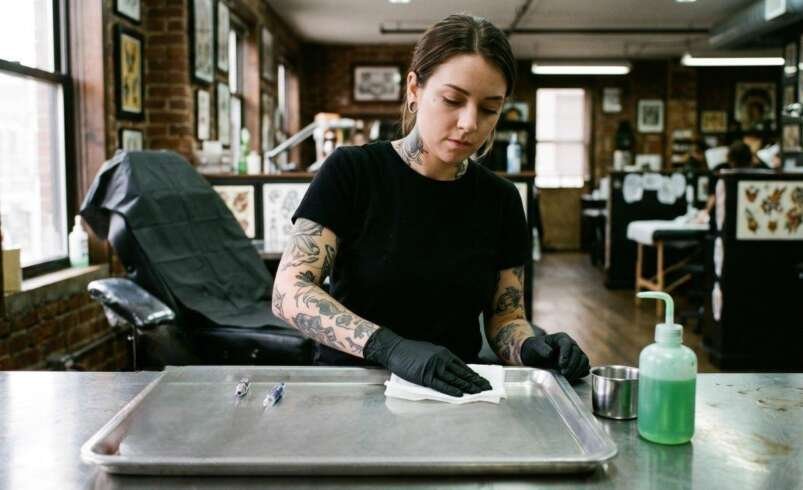

There is no sense in having high-quality work done on your body if the procedure itself is unsafe. At any respectable tattoo shop bath , the issues of hygiene have to be seen as mandatory rather than just another feature that comes on top of the quality of the design done.
Indeed, each of the stages of the tattoo process, starting from handling the needles to the clean-up of the working space, has direct implications for the safety of the client. This article outlines exactly how hygiene plays a crucial role in the operation of each professional studio.
Why Hygiene Comes Before Everything Else in Tattooing
Hygiene needs to be addressed as a bedrock for everything else from the start and not as something of an add-on afterthought. There is no point having a perfect-looking tattoo that fails because of infection from bad hygiene. Studios that appreciate this ensure that hygiene is kept in mind at every step of the process from when a client enters their shop until they are weeks later advised on their aftercare tips.
This is what differentiates professional studios from ones that are just there to make ends meet since maintaining safety protocols requires continuous daily effort and not a one-time set up. Informed clients will have better questions for such studios, thus ensuring that they always maintain high standards in all aspects.
Single-Use Needles: A Non-Negotiable Standard
Needle reuse is probably one of the most efficient ways to pass on infections, which is why single use and sterilized needles are viewed as an absolute must have in professional tattooing and not some extra frills. Respectable tattooists open a new, sterilized needle right in front of their clients each time, making sure that no one could question the sterilization process at all.
This is something that helps protect both the customer and the tattooist from various blood infections. Any studio that does not want to demonstrate the procedure and is trying to hide from it, or even reuse needles to save on money, should be viewed as an obvious red flag.
Autoclave Sterilization and How It Protects Every Client
Other than the single-use needles, reusable devices, such as the tattoo machine parts and some tattoo tools have to undergo hospital-grade autoclaving between every use. The autoclaving process involves using high-pressure steam to kill all the bacteria, viruses and other pathogenic organisms that regular surface sanitation cannot get rid of.
Studios that take this step of investing in good autoclave machines and taking care of them by ensuring they are serviced regularly show that their priority is more than just the aesthetic appearance of sterilized instruments. Just like having an autoclave, testing and servicing this machine is equally as important because a defective machine will not be able to sterilize the equipment and give a false sense of security.
Glove Changes and Cross-Contamination Prevention
A pair of fresh gloves is just a small thing but it does a lot in ensuring that there is no contamination during the entire process of tattooing, especially when it comes to longer sessions. Professional tattooers will change their gloves more often than once they come into contact with things outside of their workspace such as a phone, doorknob, or the supplies’ box that they have to reach into during a session.
It is necessary since it ensures that bacteria will not be spread on the client’s body during a procedure where there is already an open wound that comes into contact with the environment. It is a kind of attention to details that is rarely noticed by clients if it isn’t explicitly pointed out to them but it says a lot about how the artist values hygiene in all aspects of the procedure.
Keeping Work Stations Clean Between Every Appointment
A clean work area is not only about aesthetics but also about creating a barrier for preventing infection between clients. A reputable studio disinfects chairs, tables, and all the surfaces of equipment after each and every session with a complete cleaning of equipment which cannot be completely disinfected after each use.
It may be a tedious task but it is crucial for creating a safe environment for the whole day of constant sessions. Clients should not hesitate to observe this procedure or ask questions because it is not an embarrassment for studios to explain their hygiene procedures.
Licensing and Inspections That Hold Studios Accountable
The main purpose of proper licensing is to ensure that all studios have a high standard of cleanliness and hygiene to uphold, rather than just being left to the goodwill of the individual studios. Routine inspections by health officials in the locality offer another line of defense for the client beyond their own observations. A studio that keeps itself licensed in an effortful way as opposed to a hurried one is normally a more conscientious place overall. Important factors that need to be covered by this regulation include:
- Proper disposal methods for needles and other sharp wastes
- Sterilization log book entries for autoclaves
- Ventilation and hygiene of the workplace
- Blood borne pathogen safety training for staff
- Routine health department inspections and renewal of licenses
- Proper equipment recall and contamination procedures
How Poor Hygiene Puts More Than Just the Tattoo at Risk
The impacts of poor hygiene range way past having an unsatisfactory tattoo, where one may develop infections, incur scars, or, in extreme cases, suffer from blood-borne infections which will remain with one for years to come. Poor hygiene not only puts one’s health at risk but also jeopardizes the reputation of the artist, with impacts that go way past the period of the healing process.
Complications caused by poor hygiene not only result in additional cost implications but also cause emotional stress to clients, where the situation is already a disappointment in the first place. This makes it clear to clients that hygiene is not something that can be considered a luxury when choosing between tattoo parlors. It is a necessity that cannot be compromised at any cost.
Educating Clients on What Proper Hygiene Should Look Like
An element of building trust is educating the client on how the safe practice is supposed to run even before they schedule an appointment at your studio. A well-respected tattoo studio bath referred to you by other members of the community is one that will never shy away from discussing their sterilization process, answering any questions, and making you feel comfortable when you ask for information.
You will be informed enough to tell any dangers from other studios and be in a better position to make the right choices in future.
Aftercare Guidance as an Extension of Studio Hygiene
Maintaining proper hygiene does not stop once the customer walks out of the studio as aftercare education is also important to prevent infections in the healing process. Studios that give detailed aftercare guidelines ensure that the customer knows how to maintain his or her new tattoo properly after he or she is back from the studio. This education also comes in handy because it educates the customers about the early signs of infections in case they get one so that they can see a doctor without waiting for things to get worse.
Why Cutting Corners on Safety Always Costs More in the End
It should be understood that studios that try to skip over some of the safety issues in order to save time or money in the process will pay much higher prices further on in other ways – either in terms of getting into trouble with the law, ruining their reputation, or losing clients forever.
It takes effort and costs money to provide the necessary equipment, constant employee training, and strict cleaning procedures, but it keeps the studio safe from harm as well as the clients entering it. The negative reputation of the place is spread like wildfire these days, particularly thanks to the availability of the internet, and hygiene-related issues can ruin the image of the studio in an irreversible way.
Conclusion
In any case, hygiene is not an optional process that should be completed prior to starting the actual art process, but instead is a mandatory procedure that ensures the possibility of creating top-quality tattoos at all. All safety procedures and precautions are taken to provide clients with protection from different risks that might lead to complications during the process of tattooing or afterwards. Moreover, studios that prioritize the processes of hygiene and make it a part of their daily routine usually get more trust and loyalty from their clients. Prior to making an appointment with the next studio, make sure to learn about all these aspects directly.