
Flat roofs are a popular choice for commercial buildings, warehouses, retail properties, and modern residential structures. Their clean appearance, practical design, and efficient use of space make them suitable for many types of properties. However, Charleston, SC, presents specific roofing challenges, including heavy rainfall, high humidity, strong winds, and seasonal storms. Choosing the right roofing system and ensuring proper installation can help property owners protect their buildings for years to come.
Professional Flat Roof Installation Services in Charleston, SC help property owners select suitable materials, prepare roof surfaces, and install roofing systems designed to handle local weather conditions. Understanding the available options can make it easier to plan a roofing project that meets both performance and budget requirements.
Why Flat Roof Installation Requires Professional Planning
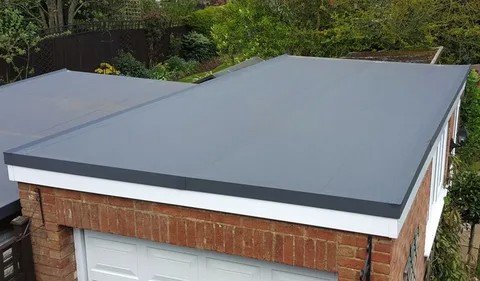
Flat roofs are not completely level. They are designed with a slight slope to direct rainwater toward drains, gutters, or designated drainage points. Without proper drainage, water can collect on the roof and increase the risk of leaks, membrane deterioration, and structural problems.
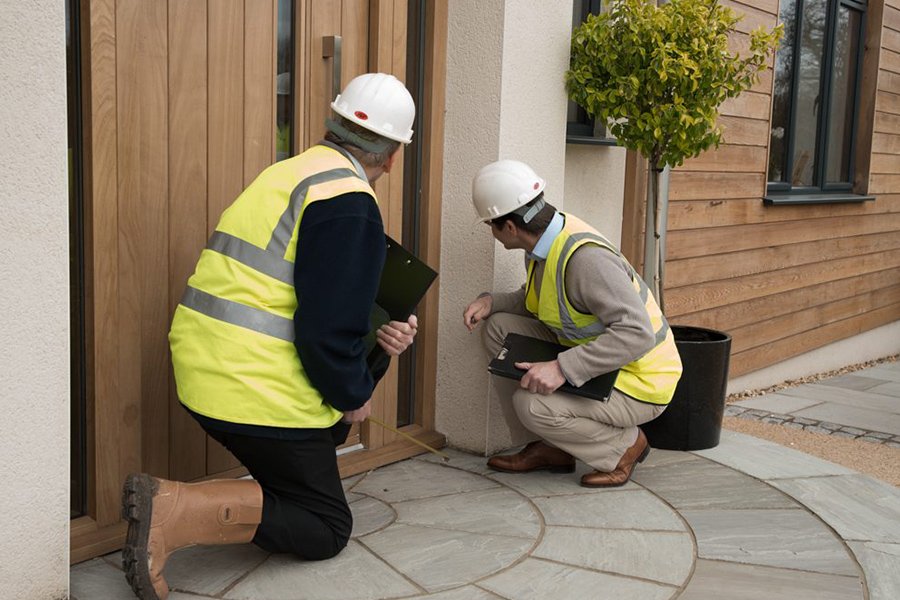
Professional installation begins with an assessment of the building’s structure, existing roofing materials, drainage system, and intended use. Contractors evaluate these factors before recommending an appropriate roofing solution.
In Charleston, where rainfall and humidity can create ongoing moisture challenges, correct installation is particularly important. Proper flashing, sealed seams, suitable insulation, and effective drainage all contribute to the roof’s overall performance.
Understanding Different Flat Roofing Materials
Several roofing materials are commonly used for flat and low-slope roofs. Each option offers different benefits depending on the building’s requirements, budget, and environmental exposure.
Built-up roofing uses multiple layers of bitumen and reinforcing materials to create a protective roof covering. Modified bitumen roofing offers another option, combining asphalt-based materials with added modifiers for improved flexibility and durability.
Single-ply roofing membranes are also widely used, particularly on commercial properties. These systems cover the roof with a manufactured membrane designed to resist moisture and withstand normal environmental exposure.
Among these options, thermoplastic polyolefin, commonly known as TPO, has become a popular choice for many flat roofing projects.
Benefits of TPO Roof Installation Services in Charleston, SC
TPO Roof Installation Services in Charleston, SC provide property owners with a roofing option designed for commercial buildings and other low-slope structures. TPO roofing consists of a single-ply membrane that is commonly available in white and other light colors.
One important advantage of white TPO membranes is their ability to reflect a significant amount of sunlight when properly manufactured and maintained. This can help reduce heat absorption through the roof, potentially improving indoor comfort and supporting energy efficiency during Charleston’s warm summers.
TPO membranes are also designed to resist moisture, ultraviolet exposure, and various environmental stresses. Their seams are typically heat-welded, creating a continuous connection between membrane sections when installed correctly.
The overall performance of a TPO roof depends on material quality, installation methods, insulation, drainage, and ongoing maintenance. Property owners should discuss these factors with a qualified roofing contractor before choosing a system.
How the TPO Roof Installation Process Works
A successful TPO roofing project involves several important steps. The contractor begins by inspecting the roof deck and identifying any damage, moisture concerns, or structural issues that need attention before installation.
The roof surface is then prepared according to the selected roofing system. Depending on the project, the installation may include a vapor retarder, insulation boards, and a cover board to create a suitable base for the membrane.
Next, the TPO membrane is positioned and secured using an approved attachment method. Membrane seams are heat-welded with specialized equipment to create watertight connections. Flashing is installed around roof edges, penetrations, drains, and other vulnerable areas.
Finally, the contractor checks the completed installation, paying particular attention to seams, flashing details, and drainage points. These final checks help identify potential problems before the roof is exposed to regular weather conditions.
Preparing Flat Roofs for Charleston’s Weather
Charleston’s coastal climate makes weather preparation an important part of roofing decisions. Heavy rain can test drainage systems, while strong winds can place stress on roof edges, flashing, and membrane attachments.
High humidity also makes moisture management essential. Roofing materials should be installed over appropriate surfaces, and trapped moisture should be addressed before a new system is applied.
Property owners should ask contractors about wind-uplift requirements, local building codes, manufacturer specifications, and drainage design. Choosing materials that meet the building’s needs can help reduce avoidable maintenance problems.
Common Flat Roofing Problems to Avoid
Improper installation can lead to several issues, including leaking seams, damaged flashing, poor drainage, and premature membrane deterioration. Standing water may also develop when roof slopes or drainage outlets are inadequate.
Another common problem occurs when a new roofing system is installed over a damaged or moisture-affected surface without proper evaluation. Covering existing problems can make future repairs more complicated and expensive.
Regular inspections help identify early signs of damage. Property owners should arrange professional evaluations after significant storms and address visible issues before they develop into larger roofing concerns.
Choosing a Flat Roof Installation Contractor
Selecting an experienced contractor is an important part of any roofing project. Property owners comparing Flat Roof Installation Services in Charleston, SC should review the contractor’s experience with low-slope roofing, knowledge of local building requirements, and familiarity with the selected roofing materials.
Request a written estimate that explains the proposed membrane, insulation, installation method, flashing details, drainage improvements, and expected project timeline. It is also useful to ask about manufacturer warranties, workmanship coverage, and recommended maintenance schedules.
For TPO projects, confirm that the contractor follows the membrane manufacturer’s installation specifications and uses appropriate equipment for seam welding.
Maintaining a Flat Roof After Installation
Routine maintenance can help extend a flat roof’s service life. Property owners should arrange periodic inspections to check membrane seams, flashing, drainage outlets, and roof penetrations.
Drains and gutters should remain clear of leaves, branches, and other debris that could restrict water flow. After severe weather, a qualified professional can assess possible damage and recommend necessary repairs.
Maintenance requirements vary by roofing material and building conditions, so property owners should follow the contractor’s recommendations and applicable warranty terms.
Conclusion
Investing in a properly installed flat roof can help protect commercial and residential properties from moisture intrusion, weather exposure, and avoidable repair costs. In a coastal city like Charleston, SC, choosing appropriate materials and ensuring effective drainage are essential parts of a successful roofing project.
Professional Flat Roof Installation Services in Charleston, SC can help property owners evaluate their options and select a system suited to their building. For many low-slope applications, TPO Roof Installation Services in Charleston, SC offer a practical solution with heat-reflective options, welded seams, and resistance to common environmental stresses.
By selecting a qualified contractor, using suitable materials, and maintaining the roof regularly, property owners can make informed decisions that support long-term building protection and performance.