


Every firm describes itself well; that’s what a pitch is for. The more useful information usually comes from people who aren’t trying to win your business. Before taking any firm’s word for it, whether you’re comparing names on a list of leading interior designers in India or one a friend recommended, three other sources are worth talking to, each revealing something a sales conversation won’t.
The Client Whose Project Finished Over a Year Ago
A firm will happily connect you with a recent, happy client, and that’s a fair starting point, but a recent handover doesn’t reveal much beyond first impressions. A client whose project finished over a year ago can tell you something more valuable: whether the wardrobes still close properly, whether any stone or veneer has shifted, whether a promised post-handover fix was actually addressed when it came up. Ask specifically for a client at least a year past handover, not just the most recent one, since that’s the only way to hear about how the work has actually held up rather than how it looked on the day it was finished. If a firm hesitates to provide this, or only offers very recent projects, that’s worth noting on its own.
The Site Supervisor or Carpenter, Not Just the Designer
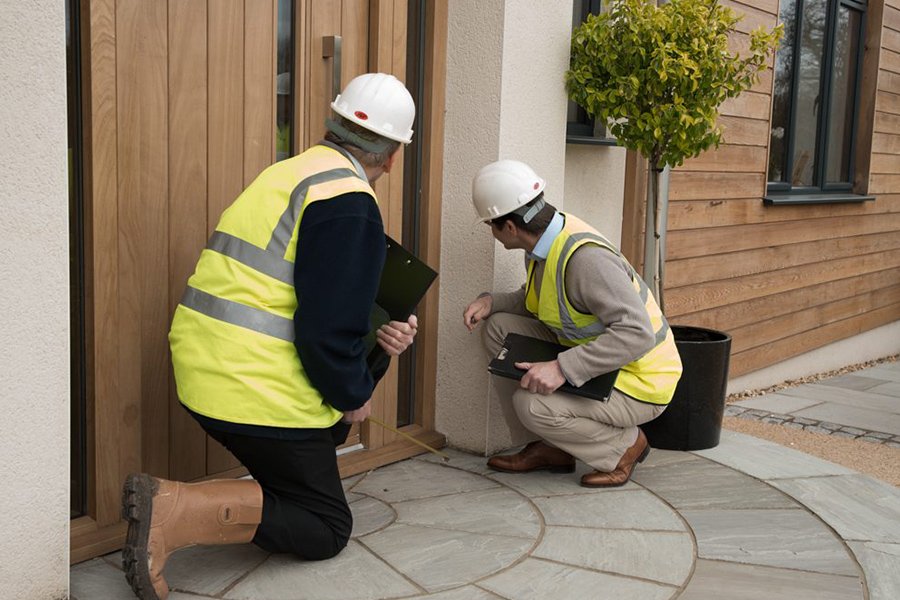
Sales conversations happen with designers and account managers, who describe the process in terms of vision and outcomes. The people who can tell you how a project actually runs day to day are the ones running it — the site coordinator and the carpentry team. If a firm allows it, a brief conversation with whoever is currently supervising an active site can reveal whether design and execution genuinely function as one accountable structure, or whether the site team operates with limited contact from the design side. Ask this person directly how often the original designer visits or gets consulted on decisions made in the field. A site supervisor’s answer to “how often does the designer actually get involved once work starts” is harder to script than anything said in a sales meeting.
Your Own Building Management or Society Office
This one has nothing to do with the firm directly, and that’s exactly its value. If you’re in a high-rise, your society’s management office likely has a record of which contractors and firms have worked in the building before, how they handled entry registration, working-hour compliance and material movement through the lift. A firm with a poor track record on these practical points — repeated complaints, disregard for agreed hours — will show up in this record even if its portfolio looks polished. Ask your building management directly whether a firm you’re considering has worked in the society before, and what that experience was like from their side, since this is information no firm would volunteer about itself.
Why These Three Matter More Than a National Ranking
None of these three sources cares about a firm’s marketing budget, its position on a listicle, or how well its photographs are lit. A client speaks from lived experience with the finished product. A site team speaks from daily operational reality. Building management speaks from a purely administrative record with no stake in your decision either way. Together, they triangulate a picture that’s much harder to manufacture than a polished pitch, however sincere that pitch might be. A firm confident in its own process should have no objection to any of these three conversations happening — hesitation on even one of them is worth treating as a signal.
What to Do With What You Learn
If all three sources tell a consistent story — a client whose home has held up well, a site team that describes real coordination with the design side, a building management office with no red flags — that consistency is more reassuring than any single glowing review or ranking placement could be. If the three accounts conflict sharply with each other or with the firm’s own pitch, treat that gap as the more important finding, worth raising directly with the firm before you sign anything.
The Interia works from Gurgaon across the wider NCR, keeping design, in-house manufacturing and site coordination under one team, and would expect all three of these conversations to hold up consistently for any of its projects, in Gurgaon or elsewhere in the NCR. Whichever firm you’re evaluating anywhere in India, spend as much time talking to these three sources as you would reading the firm’s own website — the answers tend to be more honest.