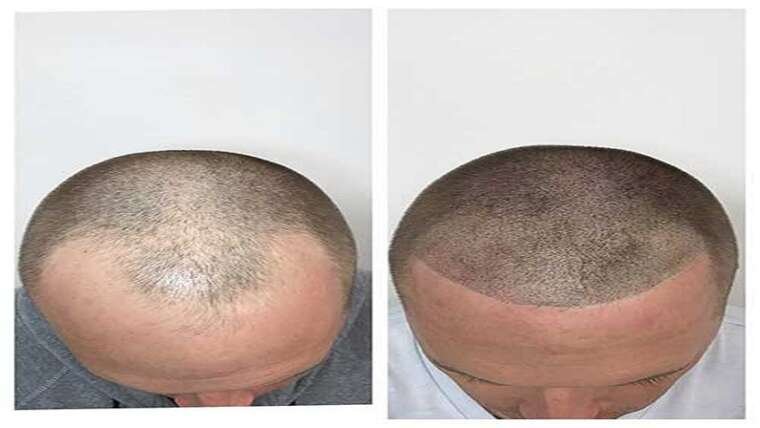


Healthy hair has always been an important part of personal appearance and confidence. However, hair thinning, excessive shedding, dandruff, and reduced hair density can affect how people feel about their looks. With changing lifestyles, stress, genetics, and various health-related factors contributing to hair concerns, more individuals are seeking professional solutions to maintain healthier-looking hair.
Modern non-surgical hair treatments have introduced several options for managing specific hair loss conditions without undergoing a hair transplant. From Low-Level Laser Therapy to Platelet-Rich Plasma therapy, these approaches aim to address different aspects of hair health. Understanding the available options can help you make informed decisions about your hair care journey.
Understanding Modern Non-Surgical Hair Treatments
Non-surgical hair treatments include professional procedures and medical approaches designed to manage hair loss, support existing hair follicles, and address certain scalp conditions without surgically relocating hair follicles.
Unlike hair transplantation, these treatments generally focus on improving the condition of existing hair, managing contributing factors, or supporting hair growth where appropriate. The choice of treatment depends on the underlying cause, the extent of hair loss, and individual suitability.
It is important to remember that no single treatment works for everyone. A professional assessment helps determine which options may offer meaningful benefits.
- Low-Level Laser Therapy (LLLT)
Low-Level Laser Therapy is a non-invasive approach that uses low-intensity light to influence biological activity in scalp tissues. It has gained attention as a potential option for people experiencing certain types of hereditary hair thinning.
LLLT may help improve hair density in some individuals, although results vary according to the condition, device, and consistency of use. Treatment typically involves repeated sessions or the regular use of specialised devices.
One advantage is that this approach does not involve surgical incisions or injections. However, it is not a guaranteed solution for every type of hair loss, and professional guidance can help establish whether it is suitable.
- Platelet-Rich Plasma (PRP) Therapy
Platelet-Rich Plasma therapy is another option explored by individuals experiencing hair thinning. It involves collecting a small sample of the patient’s blood, processing it to concentrate platelets, and injecting the preparation into selected areas of the scalp.
Platelets contain growth factors that may influence tissue repair and hair follicle activity. PRP is used for certain forms of hair loss, but the strength of scientific evidence and the degree of improvement vary.
Several sessions may be recommended, depending on the individual’s condition and treatment plan. As PRP involves injections, temporary tenderness, swelling, or bruising may occur. A qualified professional should explain the potential benefits, limitations, and risks before treatment begins.
- Medical Scalp Treatments
Healthy-looking hair begins with appropriate scalp care. Problems such as dandruff, excessive oiliness, inflammation, and irritation can make the scalp uncomfortable and may contribute to certain hair-related concerns.
Medical scalp treatments are selected according to the underlying condition. Depending on the diagnosis, treatment may involve medicated shampoos, topical medications, or other professionally recommended approaches.
For example, dandruff may respond to suitable anti-dandruff products, while inflammatory scalp conditions may require specific medical care.
Although improving scalp health is important, cosmetic scalp treatments alone cannot reverse every type of hair loss. Identifying the cause is essential before choosing a treatment.
- Personalised Hair Loss Management
Modern hair care increasingly focuses on individual needs rather than a one-size-fits-all approach. Hair loss may result from hereditary factors, stress-related shedding, nutritional deficiencies, hormonal changes, medications, or underlying health conditions.
A qualified dermatologist or hair specialist can assess the scalp, review medical history, and recommend investigations when necessary. Depending on the findings, the treatment plan may include established hair loss medications, nutritional correction, scalp care, or selected non-surgical procedures.
This personalised approach helps ensure that treatment addresses the actual problem rather than simply targeting visible symptoms.
- Nutrition and Everyday Hair Care
Professional treatments work best when supported by sensible everyday habits. Hair growth depends on adequate nutrition, including sufficient protein and essential vitamins and minerals.
A balanced diet containing pulses, eggs, dairy products, nuts, seeds, vegetables, fruits, and other appropriate protein sources can help meet nutritional needs. Supplements should generally be considered when a deficiency or specific requirement has been identified.
Gentle hair handling, suitable cleansing products, reduced heat styling, and avoiding excessively tight hairstyles can also help minimise breakage.
These habits support overall hair health, although they cannot independently treat every medical or hereditary cause of hair loss.
Why Are Non-Surgical Hair Treatments Becoming Popular?
Many people prefer exploring less invasive options before considering surgery. Non-surgical treatments can offer different approaches to managing selected hair loss conditions, often without the recovery period associated with hair transplantation.
They may also allow treatment plans to be tailored to individual concerns, lifestyles, and scalp conditions.
However, non-surgical does not mean risk-free or universally effective. Some procedures require multiple appointments, ongoing maintenance, and realistic expectations about results. The most appropriate choice depends on an accurate assessment and professional recommendations.
When Should You Seek Professional Help?
If you notice persistent hair shedding, a widening parting, gradual thinning, recurring dandruff, or unexplained changes in scalp health, consider seeking professional advice.
Sudden hair loss, distinct bald patches, scalp pain, severe inflammation, or scarring require prompt medical evaluation. Early diagnosis can be especially important for conditions that may cause permanent hair follicle damage.
Conclusion
Modern non-surgical hair treatment options provide several ways to manage selected hair loss conditions while supporting healthier hair and scalp care. Approaches such as LLLT, PRP therapy, medical scalp treatments, and personalised hair loss management may be beneficial for suitable individuals.
At Hairensure Trichology Clinic, individuals can seek professional guidance for hair thinning, excessive hair fall, dandruff, and other scalp concerns. Understanding the cause of a problem is the first step towards selecting an appropriate treatment plan.
Ready to take the next step towards healthier-looking hair? Consult a qualified hair or skin specialist to explore options suited to your condition. With informed decisions, consistent care, and realistic expectations, you can take a more confident approach to your long-term hair health.