

Modern manufacturing industries depend on reliable electrical connections to operate machinery, automate production processes, and maintain consistent product quality. From industrial motors and control systems to robotic equipment and data communication networks, every application requires cables that meet specific electrical and environmental requirements. Selecting the right cables and wires is therefore an important part of designing an efficient industrial electrical system.
LAPP offers a wide range of cable and connectivity solutions for industrial applications. Understanding the different factors involved in cable selection helps manufacturers choose suitable products for their equipment, operating conditions, and long-term requirements.
- Identify the Application Requirements
The first step in selecting LAPP cables is understanding how and where they will be used. Different manufacturing applications have different electrical and mechanical demands.
For example, power cables supply electricity to machinery, control cables connect control equipment, and data cables support communication between compatible industrial devices.
Before selecting a cable, manufacturers should consider the equipment specifications, installation method, operating environment, and required transmission performance. Identifying these factors helps narrow down suitable cable options and prevents the selection of products that are not designed for the intended application.
- Choose the Correct Cable Type
Manufacturing facilities use different cable types to support their electrical and automation systems. Selecting the correct category is essential for dependable operation.
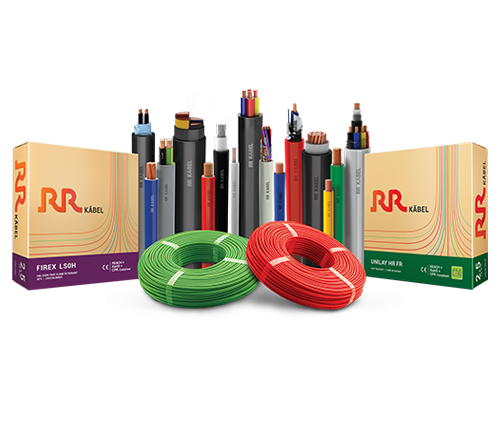
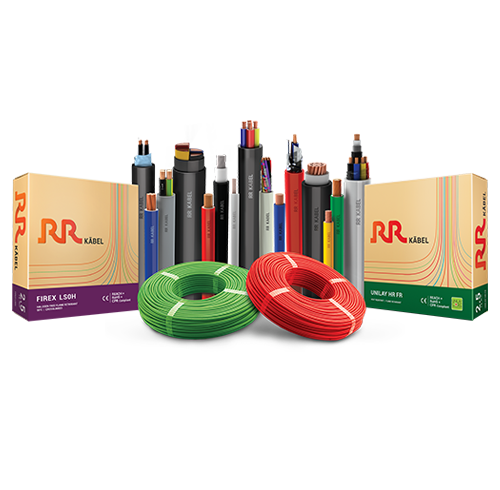
LAPP provides cable solutions for various industrial requirements, including:
- Power cables: Used to supply electrical power to machinery and equipment.
- Control cables: Designed for transmitting control signals between industrial components.
- Data communication cables: Used for compatible industrial networking and communication systems.
- Flexible cables: Suitable for applications involving movement when specifically rated for repeated bending or other mechanical stresses.
- Specialised cables: Designed for particular environmental or operational requirements, depending on the product specifications.
Matching the cable type to the application helps support system compatibility and reliable performance.
- Consider Voltage and Current Requirements
Electrical ratings are among the most important factors when selecting industrial wires and cables. Every cable must be suitable for the voltage and current associated with its intended application.
Cable sizing depends on several considerations, including the expected load, conductor material, installation method, ambient temperature, cable grouping, and permissible voltage drop.
Choosing an undersized cable can lead to excessive heating and potential safety risks. An appropriately selected cable helps maintain dependable electrical performance while supporting the protection requirements of the installation.
Manufacturers should consult equipment documentation, applicable electrical standards, and qualified electrical professionals before finalising cable specifications.
- Evaluate Environmental Conditions
Manufacturing environments can expose cables to heat, moisture, dust, oil, chemicals, vibration, and mechanical abrasion. These conditions can affect cable performance if the selected construction is unsuitable.
When choosing LAPP cables, assess the environmental conditions in which they will operate. Consider temperature ratings, insulation materials, chemical compatibility, ingress protection requirements, and resistance to mechanical stress where applicable.
For example, cables installed near industrial machinery may require additional abrasion resistance, while cables used in areas exposed to oils or chemicals must be compatible with those substances.
Selecting cables according to actual operating conditions helps reduce premature deterioration and maintenance requirements.
- Assess Flexibility and Movement Requirements
Not all industrial cables are designed for the same type of movement. Some are intended for fixed installations, while others are developed for flexible applications.
Manufacturing plants using robotic arms, cable carriers, moving machine components, or automated production systems must pay particular attention to bending radius, flexing cycles, torsional movement, and travel distance.
LAPP offers cable options for different movement requirements, depending on the product series. Choosing a cable specifically rated for the intended motion helps reduce mechanical stress and supports reliable operation.
Correct routing, suitable cable support, and adherence to the manufacturer’s installation instructions are equally important.
- Check Standards, Certifications, and Compatibility
Industrial cable selection should account for the standards and regulatory requirements applicable to the project. These may vary according to the installation location, equipment type, and intended use.
Manufacturers should verify the relevant product datasheets, voltage ratings, conductor specifications, insulation properties, and required approvals before purchasing cables.
Compatibility with connectors, cable glands, terminals, and connected equipment should also be confirmed. Working with an experienced electrical supplier can help businesses identify suitable products and obtain accurate technical information.
- Consider Long-Term Operating Costs
The initial purchase price is only one part of the total cost of industrial cabling. Maintenance, replacement frequency, installation complexity, and production downtime can significantly influence overall expenditure.
Choosing suitable LAPP cables based on the application’s actual requirements can help businesses establish a dependable electrical infrastructure. Although higher specifications may not be necessary for every application, selecting products solely on the basis of the lowest price can create avoidable operational risks.
Manufacturers should balance initial costs with technical suitability, expected service life, and maintenance needs.
Conclusion
Selecting the right LAPP cables and wires requires careful consideration of application requirements, electrical ratings, environmental conditions, flexibility, and relevant standards. A systematic selection process helps manufacturing industries build reliable electrical systems that support machinery, automation, and production efficiency.
Before making a purchasing decision, manufacturers should review technical datasheets and consult qualified professionals to ensure the selected products meet their specific requirements. With appropriate cable selection, installation, and maintenance, businesses can support long-term operational reliability and efficient manufacturing performance.