


Colorbond roofing is a popular choice for Melbourne homes because of its durability, weather resistance and modern appearance. However, like any roofing material, it requires regular maintenance to remain in good condition. Dirt, leaves, moisture, pollution and weather exposure can gradually affect the roof’s surface if they are not addressed.
Proper maintenance can help preserve the roof’s appearance, reduce the risk of damage and extend its service life. Whether you already have a Colorbond roof or are planning a new installation, understanding the right maintenance practices can help you protect your property.
Why Is Colorbond Roof Maintenance Important?
Colorbond roofing is designed to withstand Australia’s changing weather conditions, including rain, heat and strong winds. However, regular maintenance is still important to prevent the accumulation of debris, identify minor issues and maintain the protective coating.
A well-maintained roof can help:
-
Prevent debris and dirt from accumulating.
-
Reduce the risk of corrosion and surface deterioration.
-
Maintain the roof’s appearance and colour.
-
Identify damaged screws, sheets or flashing early.
-
Support proper rainwater drainage.
-
Reduce the likelihood of expensive roofing repairs.
Routine maintenance can help homeowners keep their roofing system functional and attractive for years.
1. Clean Your Colorbond Roof Regularly
One of the simplest ways to maintain a Colorbond roof is to keep it clean. Dust, leaves, bird droppings, branches and other debris can accumulate on the roofing surface over time. These materials may retain moisture and affect the roof’s condition if left for extended periods.
Cleaning your roof periodically can help remove unwanted buildup and maintain the appearance of the roofing sheets.
Consider these cleaning practices:
-
Remove loose leaves and debris where safely accessible.
-
Check areas around roof valleys and gutters.
-
Use gentle cleaning methods rather than abrasive materials.
-
Avoid harsh chemicals that may damage the roofing coating.
-
Follow the manufacturer’s cleaning recommendations.
Safety tip: Roof cleaning can be dangerous, particularly on steep, wet or elevated surfaces. It is best to use a professional roofing service rather than climbing onto the roof yourself.
2. Keep Gutters and Downpipes Clear
Gutters and downpipes are essential for directing rainwater away from your roof and property. When they become blocked with leaves, dirt or other debris, water may overflow and collect around roof edges.
Blocked gutters can contribute to drainage problems, water penetration and damage to surrounding roofing components.
Regular gutter maintenance should include:
-
Removing accumulated leaves and debris.
-
Checking downpipes for blockages.
-
Inspecting gutter joints for leaks.
-
Looking for rust, sagging or damaged sections.
-
Ensuring water flows freely during rainfall.
Keeping gutters clear helps your Colorbond roofing system manage rainwater more effectively, particularly during Melbourne’s rainy periods.
3. Inspect Roofing Screws, Flashing and Joints
Colorbond roofs rely on properly secured sheets, fasteners, flashing and sealed joints to prevent water from entering the property. Over time, weather exposure and temperature changes can affect these components.
Loose screws, deteriorated seals or damaged flashing may create openings that allow water to penetrate the roof.
During a professional roof inspection, these areas should be checked for:
-
Loose or damaged roofing screws.
-
Worn sealing washers.
-
Damaged flashing around chimneys and vents.
-
Gaps around roof penetrations.
-
Signs of water leakage or corrosion.
Addressing these issues early can help prevent minor roofing problems from developing into more significant damage.
4. Check for Rust, Scratches and Surface Damage
Although Colorbond steel is designed with protective coatings, scratches, damaged surfaces and certain environmental conditions may increase the risk of corrosion.
Areas where water regularly collects, surfaces exposed to debris or sections affected by accidental damage should be inspected carefully.
Look for:
-
Rust spots or discolouration.
-
Scratches on the roofing surface.
-
Damaged paint or protective coating.
-
Signs of corrosion around fasteners.
-
Areas where water appears to collect.
If you notice surface damage, consult a roofing professional to determine the appropriate treatment. Prompt attention may help protect the roofing material from further deterioration.
5. Trim Overhanging Trees
Trees surrounding your home can contribute to roofing maintenance issues. Overhanging branches may drop leaves, scrape against roof sheets during strong winds or increase debris accumulation around gutters.
Trimming branches that are too close to the roof can help reduce these risks.
Tree maintenance can help:
-
Reduce leaves and debris on the roof.
-
Minimise scratching caused by branches.
-
Reduce the risk of damage from falling branches.
-
Improve airflow and sunlight around roof areas.
-
Reduce gutter blockages.
Regularly maintaining nearby trees can help keep your roof cleaner and reduce the need for frequent repairs.
6. Consider Roof Painting When the Surface Needs Attention
Over time, a roof’s appearance may become faded or worn due to prolonged exposure to sunlight, rain and environmental conditions. In some situations, professional roof painting may help improve the appearance of the roof and provide an appropriate protective coating when the roofing surface is suitable for repainting.
Roof painting Melbourne services may involve surface preparation, cleaning, addressing suitable minor surface issues and applying roofing coatings according to the condition and material requirements of the roof.
Roof painting is not a solution for structural damage, leaking sheets or severe corrosion. A professional assessment can help determine whether painting, repairs or replacement is the more suitable option.
7. Schedule Professional Roof Inspections
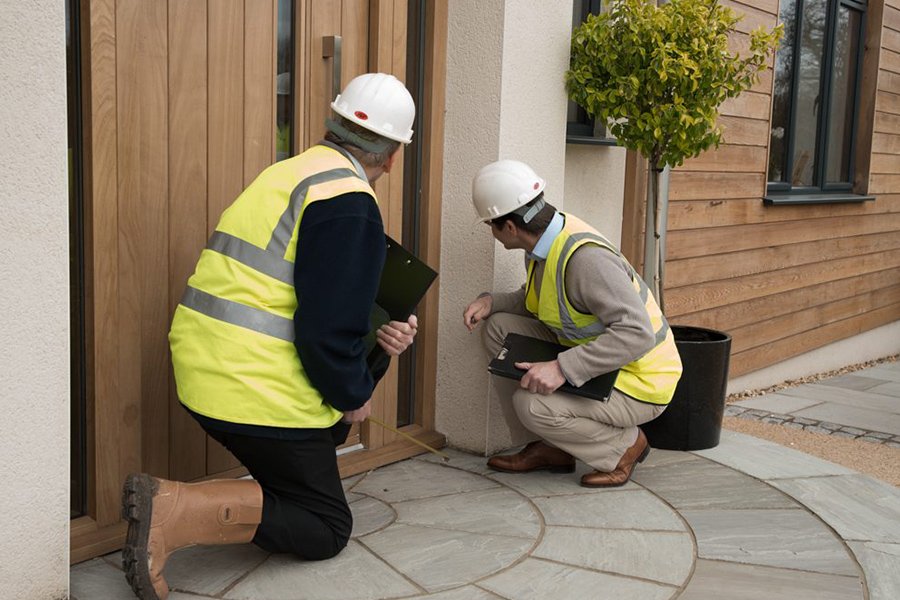
Even if your Colorbond roof looks fine from the ground, some roofing issues may not be immediately visible. Professional inspections can help identify damaged fasteners, faulty flashing, drainage problems and signs of deterioration.
Regular inspections are particularly useful after heavy storms, strong winds or other severe weather events.
If you are planning a new roof or upgrading an existing roofing system, professional Colorbond Roof Installation Melbourne services can also help ensure the roof is installed correctly, reducing the risk of problems associated with poor workmanship.
Conclusion
Maintaining a Colorbond roof involves regular cleaning, gutter maintenance, inspections, checking fasteners, managing surrounding trees and addressing surface damage early. These simple maintenance practices can help preserve your roof’s appearance, improve its performance and reduce the risk of unnecessary repair costs.
If your roof requires maintenance, painting, repairs or a new installation, Singh Roofing can help you explore suitable roofing solutions for your property. Contact Singh Roofing today to discuss your roofing needs and keep your roof in good condition for years to come.