

Introduction
Concrete is used in many civil construction projects because it is strong and long-lasting. Roads, footpaths, bridges, car parks, and retaining walls are often made from concrete. However, concrete can become damaged when water enters through open or damaged joints.
Concrete joints are created to allow movement and control cracking. These joints are important for the safety and performance of a structure, but they can also allow water to enter if they are not properly sealed.
Civil Caulking Sydney helps protect concrete joints by sealing gaps and reducing water entry. Proper caulking can help prevent moisture damage, protect the materials beneath concrete, and improve the life of civil structures.
What Are Concrete Joints?
Concrete joints are gaps or planned separation points between concrete sections. They allow concrete to move, help control cracks, and make construction easier.
Construction Joints
Construction joints are created when concrete is poured in different stages. They are commonly found in large slabs, walls, and foundations. If these joints are not sealed properly, water can pass through the gaps.
Expansion Joints
Expansion joints allow concrete to expand and contract when temperatures change. They are often used in roads, bridges, and large concrete structures.
Contraction Joints
Contraction joints help control cracks caused by concrete shrinking as it dries. Sealing these joints can help reduce water entry and protect the concrete edges.
How Does Civil Caulking Protect Concrete Joints?
Civil caulking involves applying a suitable sealant to concrete joints and gaps. The sealant creates a barrier that helps stop water from entering the joint.
When rainwater enters an open joint, it may reach the soil or materials beneath the concrete. Over time, these materials can become weak or unstable.
Civil Caulking Sydney helps reduce this risk by sealing exposed joints and limiting water movement through them.
The sealant also helps keep dirt, stones, and other materials out of the joints. This is important because trapped debris can place pressure on concrete when the joint moves.
How Water Can Damage Concrete Joints
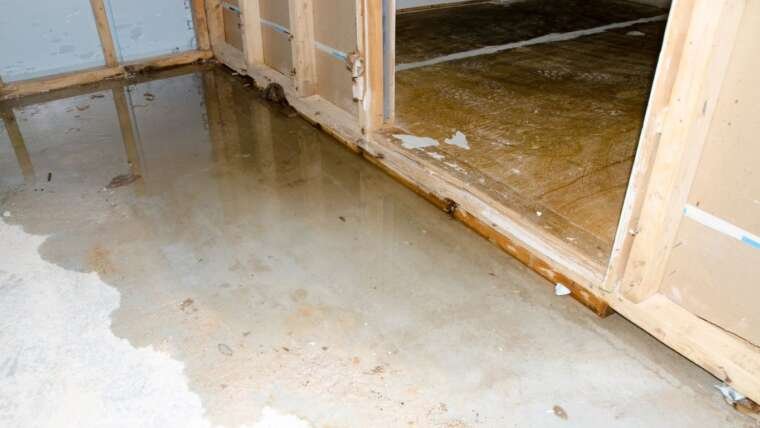
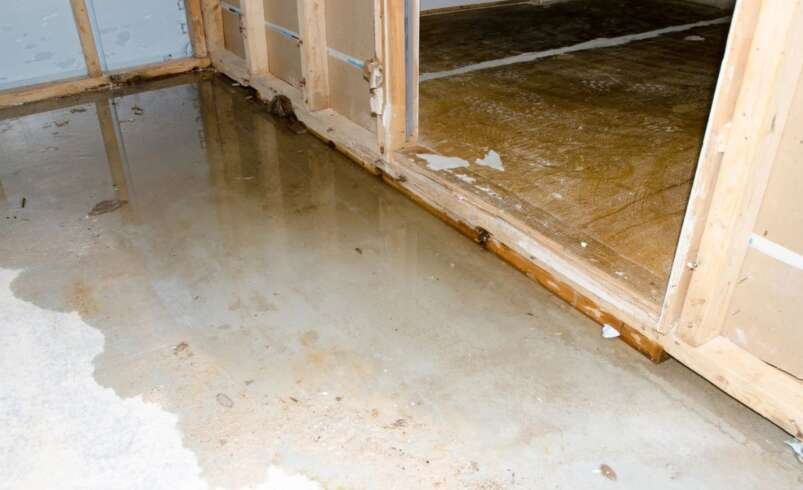
Water can slowly affect concrete when it enters through unsealed or damaged joints.
Damage to Supporting Materials
Water can reach the base materials beneath roads, footpaths, and concrete slabs. When these materials become wet, they may lose strength and support.
This can lead to uneven surfaces, settlement, and cracks in the concrete.
Cracking and Broken Concrete Edges
Water entering joints can contribute to damage around the edges. Concrete may begin to break or chip, especially when the joint is exposed to regular traffic or heavy loads.
Proper joint sealing helps reduce water exposure and supports better concrete condition.
Rusting of Steel Reinforcement
Some concrete structures contain steel bars for added strength. If water reaches the steel, it may cause rust.
Rust can expand and place pressure on the surrounding concrete. This may lead to cracks and further damage.
Civil Caulking Sydney helps reduce moisture entry through joints, which can support the protection of concrete and its reinforcement.
Why Flexible Sealants Are Important
Concrete naturally moves because of temperature changes, traffic, and other forces. A joint sealant must be able to handle this movement.
A sealant that becomes too hard may crack or separate from the concrete. Once this happens, water can enter through the damaged area.
Flexible sealants can stretch and compress within their movement limits. This helps them stay connected to the concrete surfaces.
The right sealant depends on the joint size, movement, location, and exposure to water. Civil Caulking Sydney uses suitable sealing methods to help protect concrete joints while allowing normal movement.
Importance of Proper Joint Preparation
Preparing the joint correctly is an important part of civil caulking. Sealant may not work properly if it is applied to a dirty or damaged surface.
Before sealing, the joint should be checked and prepared.
- Remove dust, dirt, loose concrete, and old sealant where required.
- Clean the joint surfaces so the new sealant can bond properly.
- Check for cracks, damaged edges, and other problems that may need repair.
If the joint has serious damage, additional repairs may be needed before applying sealant. Proper preparation helps improve the quality and life of the sealing work.
Choosing the Right Sealant for Concrete Joints
Different concrete structures need different types of sealants. A road joint may face traffic and movement, while a retaining wall joint may be exposed to regular moisture.
The sealant should be suitable for the joint and the conditions around it.
| Concrete Joint Location | Main Purpose of Sealing |
| Roads and pavements | Reduce water entry beneath concrete |
| Footpaths | Protect joints from moisture and damage |
| Retaining walls | Reduce water entry through exposed joints |
| Car parks | Protect joints from rain and surface water |
| Drainage structures | Seal joints based on water exposure |
| Concrete slabs | Allow movement and reduce water entry |
Civil Caulking Sydney helps protect different concrete structures by using suitable materials and sealing methods for each project.
Benefits of Professional Civil Caulking
Professional civil caulking can help improve the condition of concrete joints and reduce future repair needs.
Better Water Protection
Sealed joints reduce the amount of water entering the concrete. This helps protect the surrounding materials from repeated moisture exposure.
Longer Concrete Life
When joints are maintained properly, water-related damage can be reduced. This helps concrete structures remain in better condition for longer.
Lower Repair Costs
Water damage can lead to costly repairs, especially when it affects large concrete areas. Civil Caulking Sydney helps reduce the risk of damage by protecting joints before problems become serious.
Improved Concrete Surfaces
Properly sealed joints help reduce broken edges, loose materials, and uneven surfaces. This is important for roads, footpaths, and areas used by vehicles or pedestrians.
When Should Concrete Joints Be Recaulked?
Concrete joints should be checked regularly, especially in areas exposed to heavy rain, traffic, or frequent movement.
Recaulking may be needed when the sealant shows signs of damage.
Common signs include cracked sealant, visible gaps, sealant pulling away from concrete, and water entering through joints.
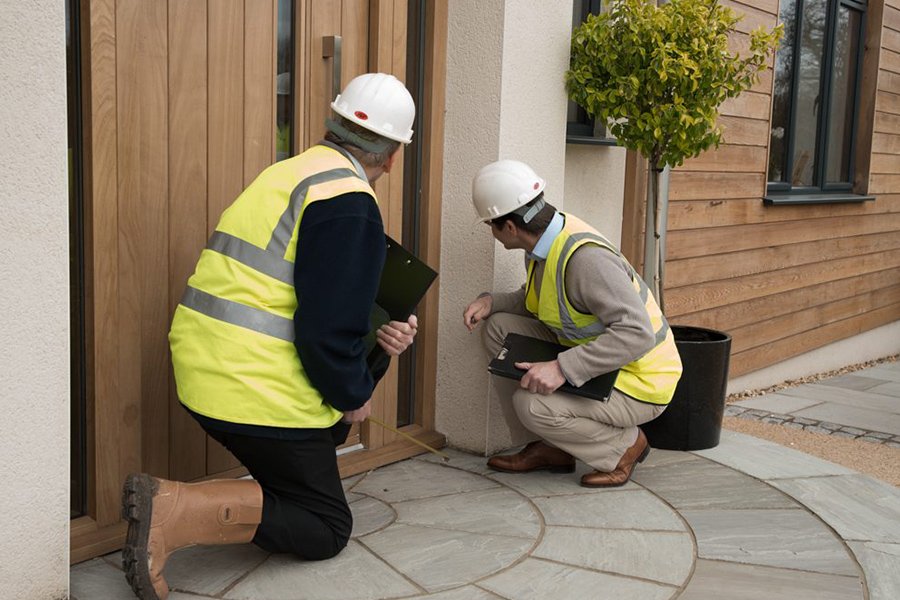
If these problems are ignored, water may continue to enter and cause further damage. Civil Caulking Sydney can help inspect damaged joints and determine whether resealing or additional repairs are needed.
Frequently Asked Questions
1. What is civil caulking?
Civil caulking is the process of sealing joints and gaps in concrete structures. It helps reduce water entry, protect supporting materials, and allow joints to move. It is commonly used in roads, footpaths, retaining walls, and other civil projects.
2. Why do concrete joints need sealing?
Concrete joints need sealing because water can enter through open gaps and damage the materials beneath the concrete. Sealing helps reduce moisture entry, protect joint edges, and maintain the condition of concrete structures over time.
3. Can caulking prevent all concrete water damage?
Caulking helps reduce water entry through joints, but it cannot prevent every type of water damage. Other problems, such as cracks, drainage issues, or structural defects, may also need attention to protect the concrete properly.
4. How long does concrete joint sealant last?
The life of concrete joint sealant depends on the material, joint movement, weather, traffic, and installation quality. Regular inspections help identify damage early and determine when the sealant needs repair or replacement.
5. When should civil concrete joints be resealed?
Concrete joints should be resealed when the existing sealant cracks, separates from the concrete, or allows water to enter. Regular checks help find these problems early and reduce the risk of further concrete damage.
Conclusion
Concrete joints help structures move and reduce cracking, but they can also allow water to enter when they are not properly sealed. Civil caulking helps protect these joints by reducing water entry and keeping unwanted materials out.
Civil Caulking Sydney supports the long-term condition of roads, footpaths, retaining walls, and other concrete structures. Proper joint preparation, suitable sealants, and regular maintenance can help reduce water damage and costly repairs.
The Australian Caulking Company provides professional caulking, joint sealing, and waterproofing services for civil, commercial, and residential projects. Proper concrete joint protection helps structures stay durable and better protected against water damage.