

Buying an engagement ring is one of the biggest purchases many people make. If you are thinking about choosing a yellow diamond, one of the first questions that comes to mind is the price. The good news is that there are more choices than ever in 2026, making it easier to find a ring that fits your budget.
The cost depends on several factors, including whether the diamond is natural or lab grown, its color, carat weight, cut, clarity, and the type of ring setting. Understanding these factors before shopping can help you make a better decision and avoid paying more than necessary.
What Affects the Price?
Several details work together to decide the final price of a ring.
Diamond Type
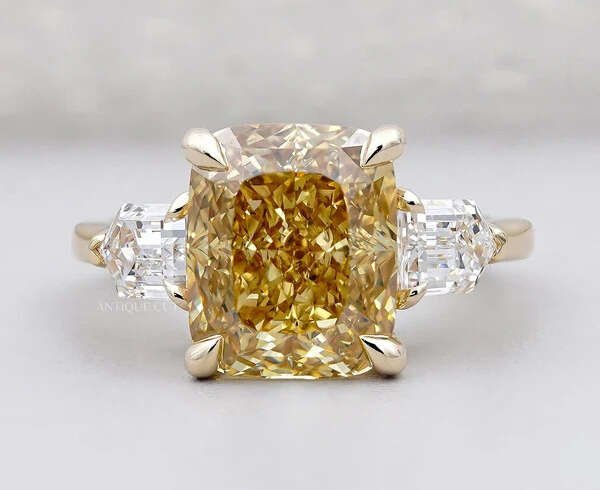
Natural yellow diamonds are rare, which makes them much more expensive. Lab-grown yellow diamonds have the same physical and visual qualities but are available at a lower price. Because of this, many buyers now choose lab-grown options to get a larger or better-looking diamond without stretching their budget.
Carat Weight
As the diamond becomes larger, the price increases. A one-carat yellow diamond is usually much more affordable than a two-carat stone, even if the quality is similar. Bigger diamonds are less common, which is why prices rise quickly.
Color Quality
Not every yellow diamond has the same shade. Stones with stronger and richer yellow color usually cost more than those with lighter tones. The intensity of the color plays an important role in the final value.
Cut and Clarity
A well-cut diamond reflects light better and often looks brighter. Clarity also matters because fewer visible inclusions generally increase the price. However, many small inclusions cannot be seen without magnification, so paying extra for the highest clarity is not always necessary.
Ring Setting
The metal and setting style also affect the total cost. Gold and platinum settings are priced differently, and detailed designs require more craftsmanship than simple solitaire settings.
Average Price in 2026
Here is a general idea of what buyers can expect to spend in 2026.
| Diamond Type | Estimated Price Range |
|---|---|
| Lab-Grown Yellow Diamond (1 ct) | $1,000–$3,500 |
| Natural Yellow Diamond (1 ct) | $6,000–$20,000+ |
| Lab-Grown Yellow Diamond (2 ct) | $3,000–$7,500 |
| Natural Yellow Diamond (2 ct) | $15,000–$50,000+ |
These prices can change depending on the color quality, certification, and ring design.
Why More Buyers Choose Lab-Grown Stones
Many couples today want a ring that looks beautiful without spending their entire savings. Lab-grown yellow diamonds offer excellent value because they allow buyers to choose a larger diamond or a higher-quality setting for the same budget.
They are also available in a wide range of sizes and colors, making it easier to find something that matches your personal style.
How to Plan Your Budget
Setting a budget before shopping makes the process much easier.
Instead of focusing only on the biggest diamond, think about the overall balance. A slightly smaller stone with better color can often look more attractive than a larger diamond with a weaker appearance. Choosing a simple setting can also leave more room in your budget for a better-quality center stone.
Many buyers are surprised to find that a carefully planned purchase gives them better value than simply choosing the largest carat weight.
Popular Ring Styles in 2026
Different settings create different looks, and each comes with its own price.
A solitaire setting remains one of the most affordable choices because it uses fewer materials and keeps the focus on the center diamond.
Halo settings generally cost more because they include extra small diamonds around the center stone. Three-stone rings also increase the price due to additional diamonds, while vintage-inspired designs often require more detailed craftsmanship.
Your personal style should always come before following trends. A ring you enjoy wearing every day is always the better choice.
Where Can You Save Money?
Buying smart does not mean sacrificing quality.
Choosing a lab-grown diamond instead of a natural one can reduce the overall cost significantly. Selecting 14K gold instead of platinum is another way to lower the price without changing the overall appearance very much.
You can also save money by choosing a diamond that is just under popular carat weights, such as 0.90 instead of 1.00 carat. The size difference is difficult to notice, but the price difference can be noticeable.
In 2026, many trusted online jewelers also provide certified diamonds, detailed photos, and flexible customization options, helping buyers compare choices before making a decision.
Finding the Right Ring
The best ring is not always the most expensive one. It is the one that fits your budget, matches your style, and feels right for the person who will wear it.
If you want more options without paying the premium attached to rare natural stones, Explore Designs of Yellow Diamond Engagement Ring collections from trusted sellers. Many shoppers also compare handcrafted designs from Antiquecut because they can choose different diamond sizes, settings, and metal types based on their budget instead of settling for limited ready-made options.
Take your time, compare certifications, read product details carefully, and choose a ring that gives you confidence in your purchase.
Final Thoughts
The cost of a yellow diamond ring in 2026 depends on many factors, including diamond type, size, color, clarity, and the setting you choose. While natural yellow diamonds remain expensive because of their rarity, lab-grown alternatives offer excellent value and give buyers more flexibility.
The most important thing is to buy a ring that suits your budget and feels meaningful. By understanding what affects pricing and comparing different options, you can make a decision that you will be happy with for years to come.