
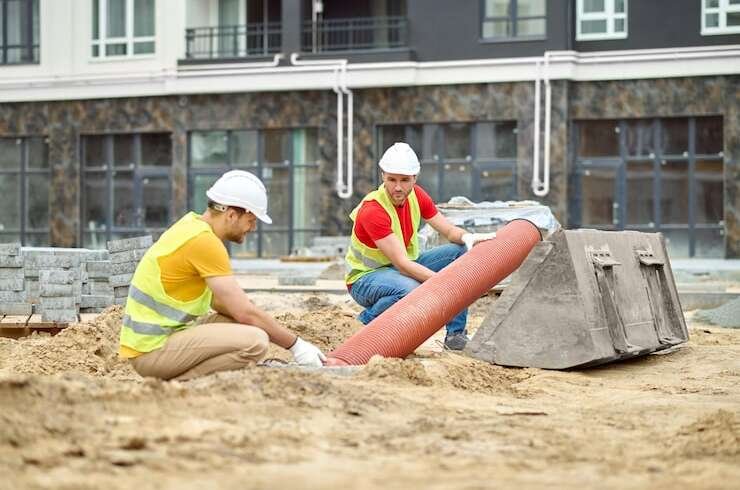

When a property has uneven ground, standing water, or poor drainage, the problem may be related to the way the land is shaped. Residential Grading Tatum TX can help create a more functional property by establishing appropriate slopes and elevations before or during landscaping, paving, construction, and drainage projects. Proper grading is not simply about making a yard look level; it is about directing water and preparing the ground for long-term use.
What Is Residential Grading?
Residential grading is the process of shaping and leveling soil to create the appropriate elevations and slopes for a residential property. The objective is to control how water moves across the land while creating a stable foundation for future improvements.
Depending on the property, grading may involve removing excess soil, adding fill, reshaping slopes, or preparing specific areas for construction and hardscaping.
For homeowners considering Residential Grading Tatum TX, understanding the purpose of grading can make it easier to identify drainage and surface problems before they become expensive repairs.
Why Proper Grading Matters for Homeowners
Water naturally moves toward lower areas. If the land surrounding a home slopes toward the building rather than away from it, rainwater can collect near the foundation.
Over time, poor drainage may contribute to:
- Standing water
- Soil erosion
- Muddy areas
- Damaged landscaping
- Water accumulation near foundations
- Problems with driveways and walkways
- Uneven or unstable surfaces
Proper grading helps establish a more controlled path for runoff. This can make the property easier to maintain and reduce problems associated with uncontrolled water movement.
How Residential Grading Helps With Drainage
One of the primary reasons homeowners consider Residential Grading Tatum TX is drainage improvement.
A properly graded property can guide rainwater toward appropriate drainage areas rather than allowing it to remain around the house or collect in low spots. The exact grading solution depends on the property’s existing terrain, soil conditions, structures, and drainage requirements.
Identifying Low Spots
Low areas can become natural collection points for rainwater. During heavy rainfall, these sections may remain wet long after surrounding areas have dried.
Professional grading can reshape problematic areas and establish a more appropriate slope. In some situations, additional drainage solutions may also be necessary.
Protecting the Foundation Area
Water management around a home is particularly important. When water repeatedly collects near the foundation, it can create long-term concerns for the property.
Proper surface grading can encourage water to move away from the building. This does not replace professional foundation or drainage inspections when serious problems exist, but it can be an important part of overall site water management.
Grading Before Landscaping Projects
Landscaping is often more successful when the underlying soil has been properly prepared.
Installing plants, lawns, gardens, retaining features, or other landscape elements on poorly graded ground can create drainage and erosion problems later.
Landscape Grading can establish a more suitable surface before landscaping materials are installed. It can also make it easier to create consistent elevations across different parts of a yard.
Homeowners planning a major landscaping project should therefore consider grading during the early planning stage rather than waiting until drainage problems appear.
Preparing Ground for Driveways and Other Surfaces
The condition of the soil beneath a surface can have a significant impact on how well that surface performs.
Driveways, parking areas, walkways, patios, and other improvements require appropriate preparation. If the underlying ground is unstable or poorly shaped, the finished surface may eventually develop uneven areas or drainage problems.
Site Preparation can involve grading and other groundwork needed to establish a more suitable base for future improvements.
For homeowners planning paving or hardscaping projects, coordinating grading and surface preparation can help create a more organized construction process.
The Connection Between Grading and Erosion
Erosion occurs when water gradually carries soil away from one location to another. Properties with steep or poorly managed slopes can be particularly vulnerable during heavy rainfall.
Appropriate Drainage and Grading Solutions can help control the movement of surface water. Instead of allowing runoff to travel unpredictably across exposed soil, grading can create a more intentional flow pattern.
Vegetation, drainage structures, retaining solutions, and other measures may also be appropriate depending on the property.
When Should a Homeowner Consider Grading?
There are several signs that may indicate a property could benefit from professional evaluation.
Standing Water After Rain
If puddles remain in the yard long after rainfall has stopped, the property may have low areas or drainage limitations.
Water Moving Toward the House
Rainwater that consistently flows toward the foundation deserves attention. Correcting the surface slope may be part of a broader drainage strategy.
Erosion or Exposed Soil
Visible soil erosion can indicate that water is moving too quickly or along an undesirable path.
Uneven Ground
Large changes in elevation or uneven areas may make landscaping and other property improvements more difficult.
Planning New Construction or Paving
Grading is often easier to address before installing a new driveway, patio, landscaping feature, or other improvement.
Why Soil Conditions Matter
Not every property responds to grading in exactly the same way. Soil type, moisture, existing slopes, vegetation, structures, and previous construction can all influence the appropriate approach.
Clay-heavy soil, for example, may behave differently from sandy soil when exposed to moisture. Understanding the existing conditions helps determine how much material may need to be moved and where runoff should be directed.
This is one reason professional evaluation can be more useful than simply trying to level a problem area without understanding its underlying cause.
Grading Is Not Always About Making the Land Completely Level
A common misconception is that grading means making an entire yard perfectly flat. In reality, effective grading often depends on creating controlled slopes.
A completely flat surface may not provide an effective route for rainwater to leave the property. Carefully designed slopes can instead help water move toward suitable drainage areas.
The ideal grade depends on the property’s purpose and existing conditions. A lawn, driveway, garden, and building area may all require different considerations.
How Grading Can Support Long-Term Property Maintenance
Proper ground preparation can make future property maintenance easier.
When water is managed effectively, homeowners may experience fewer muddy areas and less erosion. Well-prepared surfaces can also make landscaping and outdoor improvements easier to maintain.
Residential Grading Tatum TX can therefore be viewed as part of long-term property planning rather than simply a one-time soil-moving project.
Choosing a Professional Grading Contractor
Before hiring a contractor, homeowners should understand what the proposed project includes.
Useful questions include:
- What is causing the current drainage or grading problem?
- How will the property’s existing elevations be evaluated?
- Where will surface water be directed?
- Will additional soil need to be added or removed?
- Will the project affect existing landscaping or structures?
- Is additional drainage work recommended?
- How will the finished grade be checked?
Clear communication can help homeowners understand the scope of work and avoid unexpected changes during the project.
How Grading Fits Into Larger Property Improvements
Grading may be part of a broader outdoor improvement project. For example, homeowners may combine ground preparation with driveway improvements, drainage work, landscaping, or other surface projects.
Jim Paving Chip Sealing specializes in paving-related services, making proper ground preparation particularly relevant when homeowners are planning improvements to driveways and other paved areas.
Coordinating related work can help prevent situations where a newly completed surface later needs to be disturbed because drainage or grading was not addressed beforehand.
Conclusion
Good grading is an important part of managing a residential property, particularly in areas where heavy rainfall can create drainage challenges. By establishing appropriate slopes and elevations, Residential Grading Tatum TX can help improve water movement, prepare ground for future improvements, and reduce problems associated with standing water and erosion.
Homeowners should evaluate grading issues before they become larger property concerns. Whether the goal is improving drainage, preparing for landscaping, or getting the ground ready for a new outdoor surface, proper site preparation can provide a stronger foundation for future improvements.
Frequently Asked Questions
What is residential grading?
Residential grading involves shaping and leveling soil to establish appropriate elevations and slopes for a property. It is commonly used to improve drainage and prepare land for construction or landscaping.
Can grading help with standing water?
Yes. Proper grading can redirect surface water away from low areas and toward appropriate drainage locations. However, some properties may require additional drainage solutions.
Does grading mean making a yard completely flat?
No. Effective grading often involves creating controlled slopes rather than making the entire property completely level. These slopes help guide surface water.
Should grading be completed before landscaping?
In many situations, addressing grading before major landscaping can be beneficial because it establishes the underlying surface and drainage pattern before landscape features are installed.
Can grading be important before installing a driveway?
Yes. Appropriate Site Preparation and grading can help establish suitable ground conditions before driveway or other paved surfaces are installed.