
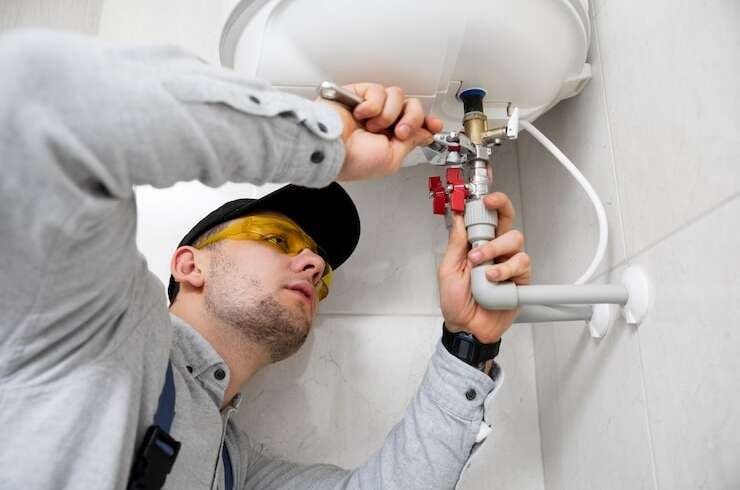

Hot water is something most households depend on every day. From showers and laundry to washing dishes and cleaning, a properly functioning water heater is an important part of a comfortable home. When the system begins producing lukewarm water, making unusual sounds, or leaking, Water Heater Repair Bucks County, PA can help identify the problem before a minor issue becomes a larger plumbing concern.
Understanding the common warning signs can help homeowners decide when professional attention is needed and whether repair, maintenance, or replacement may be the more practical option.
Why Water Heater Problems Should Not Be Ignored
A water heater can develop several problems over time. Some are relatively minor, while others may indicate that the system is approaching the end of its useful life.
Common warning signs include:
- No hot water
- Inconsistent water temperature
- Rusty or discolored water
- Leaking around the tank
- Rumbling or popping sounds
- Hot water running out unusually quickly
- Frequent repairs
- Visible corrosion
Professional Water Heater Repair starts with identifying the actual cause rather than immediately assuming the entire system needs to be replaced.
JD’s Drain Cleaning Service provides water heater installation, maintenance, repair, and replacement services for customers in Bucks County and surrounding Pennsylvania counties.
What Causes a Water Heater to Stop Producing Hot Water?
One of the most noticeable problems is a complete lack of hot water.
Depending on the type of system, this can be related to a heating element, thermostat, burner, electrical component, or another internal issue.
A professional inspection can determine which component is responsible. Attempting to diagnose electrical or gas-related problems without appropriate expertise can create unnecessary safety risks.
For this reason, homeowners experiencing a sudden loss of hot water should have the system professionally assessed.
What Does Lukewarm Water Mean?
If the water is warm but never reaches the expected temperature, the system may not be operating efficiently.
Sediment buildup can affect heating performance, while thermostat problems may also contribute to inconsistent temperatures. The underlying cause needs to be identified before deciding whether a repair or another solution is appropriate.
Water Heater Maintenance can also help reduce the impact of buildup and other issues when performed appropriately over the life of the system.
Why Is the Water Heater Making Popping or Rumbling Sounds?
Unusual sounds coming from a tank water heater can be a useful warning sign.
Sediment can settle at the bottom of a tank. When water becomes trapped beneath the accumulated material and is heated, popping or cracking sounds may occur.
A professional assessment can determine whether the issue can be addressed through maintenance or whether other repairs are necessary.
Ignoring persistent unusual noises may allow an underlying problem to continue developing.
What Does Rusty or Discolored Water Mean?
Water that appears rusty or discolored can indicate corrosion within the water heater or problems involving components such as the anode rod.
The cause should be evaluated rather than assuming that discoloration is simply a normal part of an aging system.
If corrosion has become significant, the condition and age of the tank may influence whether Water Heater Replacement is more practical than continued repair.
When Does a Water Heater Need Replacement?
Not every water heater problem requires a new unit.
However, replacement may become worth considering when the system is old, unreliable, inefficient, or repeatedly requiring repairs.
According to the water heater service information from JD’s Drain Cleaning Service, warning signs that may support replacement include a system over 10 years old, rusty water, frequent repairs, rumbling sounds, and an inability to meet household hot-water demand.
The decision should be based on the unit’s condition, repair requirements, age, and expected future performance.
Repair vs. Replacement: Which Makes More Sense?
Homeowners often want to know whether they should repair an existing water heater or replace it.
There is no universal answer because every system has a different condition and history.
Repair may make sense when the underlying problem is relatively limited and the tank remains in good condition. Replacement may be more appropriate when multiple problems are appearing or when the existing system is approaching the end of its useful life.
A professional inspection can help compare the available options instead of making the decision based solely on the age of the equipment.
Traditional Tank vs. Tankless Water Heaters
Homeowners replacing an old water heater may also consider whether a traditional tank or tankless system is more suitable.
A conventional tank stores and heats a supply of water, while a tankless system heats water as it is needed.
Tankless Water Heater Installation can be useful for properties with high hot-water demand or limited storage space. However, tankless systems may require consideration of gas supply, electrical capacity, venting, plumbing connections, and available space.
JD’s Drain Cleaning Service offers both traditional and tankless water heater installation and repair solutions.
Why Proper Sizing Matters
Choosing the right water heater size is important because households have different hot-water demands.
A system that is too small may run out of hot water quickly during periods of high usage. A system that is unnecessarily large may not be the most efficient choice for the property’s actual needs.
Household size, peak usage, fixtures, and appliance demand can all influence the appropriate system size.
Professional Water Heater Installation should therefore involve an assessment of the property’s requirements rather than simply selecting a unit based on appearance or price.
The Importance of Regular Water Heater Maintenance
Maintenance can help homeowners identify developing problems before they become major failures.
Depending on the system, maintenance may involve inspecting components, addressing sediment buildup, checking performance, and identifying signs of corrosion or wear.
Water Heater Maintenance can be especially valuable for older systems that are still functioning but beginning to show changes in performance.
Regular professional attention cannot guarantee that a water heater will never fail, but it can help identify problems earlier.
What About Water Leaks?
A leaking water heater should not be ignored.
The source of a leak can vary. It may come from a connection, valve, fitting, or the tank itself. The significance of the problem depends on where the water is coming from and the condition of the equipment.
If the tank itself has deteriorated significantly, repair may not be practical.
Homeowners who notice water around the water heater should arrange for professional evaluation rather than waiting for the leak to become worse.
Water Heater Problems Can Affect More Than Hot Water
A failing water heater can create more than an inconvenience.
Leaks can potentially affect flooring, walls, storage areas, or other nearby property. A system that repeatedly fails to meet demand can also make everyday activities frustrating.
Addressing warning signs early may help homeowners avoid more extensive disruption.
This is one reason professional Water Heater Repair Bucks County, PA can be useful when unusual performance first appears.
Related Plumbing Problems Should Also Be Considered
Water heater issues do not always occur in isolation. Problems with other parts of the plumbing system can affect water delivery and overall household performance.
Water Line Repair may be necessary when damaged supply lines cause leaks, low pressure, or interruptions in water delivery. Drain Line Repair addresses damaged, blocked, or deteriorating drain lines that can lead to recurring backups and drainage problems.
A broader plumbing evaluation can sometimes help determine whether a water heater problem is connected to another issue within the property’s water system.
What Homeowners Should Do When the Water Heater Fails
If a water heater suddenly stops working, homeowners should avoid attempting complex repairs themselves, particularly when gas or electrical components are involved.
Instead, they can:
- Check for obvious signs of leaking.
- Avoid touching damaged electrical components.
- If a gas smell is present, leave the area and seek appropriate emergency assistance.
- Contact a qualified plumbing professional.
- Have the system inspected before deciding between repair and replacement.
Quick professional evaluation can help identify the actual problem and determine the safest next step.
Choosing a Water Heater Service
Before hiring a plumbing company, homeowners can ask several useful questions.
Consider asking:
- Does the company repair and install water heaters?
- Can it work with both tank and tankless systems?
- Does it provide maintenance?
- Can it diagnose the cause before recommending replacement?
- Does it serve the property’s local area?
- Are repair and replacement options clearly explained?
Clear communication can make the decision easier and help homeowners understand what work is actually required.
Conclusion
A water heater that produces inconsistent temperatures, makes unusual noises, leaks, or frequently requires repairs may need professional attention. Water Heater Repair Bucks County, PA can help homeowners determine whether the problem can be repaired or whether Water Heater Replacement would be a better long-term option.
From Water Heater Maintenance and Water Heater Installation to Tankless Water Heater Installation, choosing the right solution depends on the property’s hot-water requirements and the condition of the existing system.
JD’s Drain Cleaning Service provides water heater repair, installation, maintenance, and replacement services in Bucks County and nearby Pennsylvania counties.
The most important step is not to ignore warning signs. Early evaluation can help homeowners understand the problem, compare their options, and restore dependable hot-water service.
Frequently Asked Questions
What are the most common signs that a water heater needs repair?
Common signs include no hot water, inconsistent temperatures, leaking, rusty water, unusual popping or rumbling sounds, and hot water running out faster than normal.
When should a water heater be replaced instead of repaired?
Replacement may make more sense when a system is older, repeatedly requires repairs, has significant corrosion, or cannot meet the household’s hot-water demand. A professional inspection can help determine the appropriate option.
Can sediment cause water heater problems?
Yes. Sediment buildup can reduce heating efficiency and may contribute to popping or rumbling sounds in tank water heaters.
Is a tankless water heater suitable for an older home?
It can be, but the property’s gas supply, electrical capacity, venting, plumbing, and available installation space should be evaluated before installation.
How long does a water heater usually last?
A conventional tank water heater commonly lasts around 8–12 years, while a properly maintained tankless system can potentially last 15–20 years or longer. Actual lifespan varies with water quality, usage, installation, and maintenance.