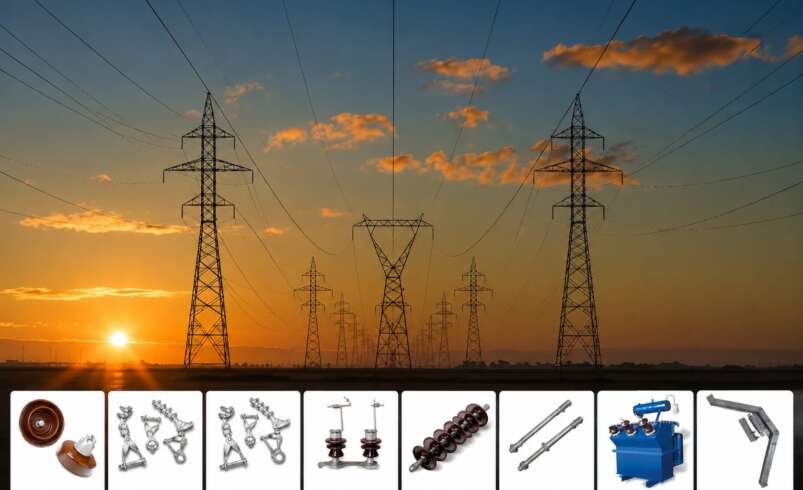

LT-HT Over-Head Material plays an essential role in the construction, installation, and maintenance of overhead electrical distribution networks. These materials are used to transmit and distribute electricity through overhead lines, connecting substations, transformers, and consumers. From low-tension (LT) distribution systems to high-tension (HT) power networks, every component must provide reliable electrical performance, mechanical strength, and long-term durability.
With the growing demand for electricity in residential, commercial, agricultural, and industrial sectors, high-quality overhead line materials are important for maintaining a safe and dependable power supply. Selecting the right components helps reduce maintenance requirements, minimize power interruptions, and improve the overall performance of electrical infrastructure.
What Is LT-HT Over-Head Material?
LT-HT Over-Head Material refers to the electrical and mechanical components used to construct overhead power distribution lines.
LT stands for Low Tension, which generally refers to low-voltage distribution systems, commonly 400/230V in three-phase, four-wire networks.
HT stands for High Tension, a term commonly used in South Asian electrical distribution markets for medium-voltage distribution networks, such as 11kV and 33kV. Exact voltage classifications depend on local standards and utility requirements.
These overhead materials support conductors, maintain appropriate clearances, provide electrical insulation, and help protect distribution networks against mechanical stress and environmental conditions.
Types of LT Overhead Line Materials
LT overhead materials are commonly used to distribute electricity from distribution transformers to residential buildings, commercial premises, and other low-voltage consumers.
1. LT Distribution Conductors
Conductors carry electrical current through the distribution network. Aluminum conductors and aluminum-based alloy conductors are widely used because they offer a useful balance of electrical conductivity, weight, and cost.
The conductor type and size depend on the load, line length, voltage drop, installation conditions, and applicable electrical standards.
2. LT Insulators
Insulators prevent unwanted electrical contact between energized conductors and supporting structures. They are commonly manufactured from porcelain, glass, or suitable polymer materials.
Their selection depends on the voltage level, mechanical loading, environmental exposure, and installation arrangement.
3. LT Cross-Arms and Brackets
Cross-arms and brackets are mounted on poles to support insulators and maintain the required spacing between conductors. They may be manufactured from galvanized steel or other approved materials.
Proper design helps ensure mechanical stability and adequate conductor clearance.
4. LT Clamps and Connectors
Clamps and connectors secure conductors and establish electrical connections between compatible components. Examples include suspension clamps, dead-end clamps, parallel-groove clamps, and approved service connectors.
Correct sizing and installation are important for preventing loose connections, excessive heating, and conductor damage.
5. LT Stay Sets and Supporting Accessories
Stay sets help stabilize poles subjected to unbalanced mechanical forces, such as those occurring at line ends, corners, and certain junctions. Depending on the installation, these assemblies may include stay wires, rods, anchor plates, and associated fittings. https://fasttecheng.com/product-lt-ht-overhead.html
Types of HT Overhead Line Materials
HT overhead materials are designed for distribution networks operating at higher voltages. Their electrical insulation, mechanical strength, and clearances must match the relevant system requirements.
1. HT Conductors
HT conductors carry electrical power over overhead distribution routes. Common options include aluminum conductors, aluminum alloy conductors, and steel-reinforced aluminum conductors, depending on the application.
The conductor must be selected according to current capacity, mechanical loading, span length, environmental conditions, and allowable voltage drop.
2. HT Insulators
HT insulators provide electrical isolation between energized conductors and poles or towers. Pin-type, suspension, strain, and post insulators may be used depending on the voltage rating and line configuration.
Their performance is especially important in areas exposed to moisture, dust, pollution, and changing temperatures.
3. HT Cross-Arms and Pole Fittings
Cross-arms, pole-top assemblies, clamps, and mounting brackets support conductors and insulators. These components must withstand the mechanical loads imposed by conductor tension, wind, and other environmental forces.
Hot-dip galvanized steel is commonly used for suitable steel fittings to improve resistance to corrosion.
4. HT Stay Wire and Guying Accessories
Stay wires and related fittings provide additional mechanical support for poles in locations where conductor tension or directional changes create significant forces.
Correct installation helps maintain pole alignment and reduce the risk of structural failure.
5. Lightning Arresters
Lightning arresters help protect electrical equipment against transient overvoltages caused by lightning or switching events. They are selected according to the system voltage, insulation coordination requirements, and utility specifications.
Proper earthing is essential for their effective operation.
6. Drop-Out Fuses and Protective Equipment
Approved fuse cutouts and associated protective equipment may be installed in suitable overhead distribution arrangements to help protect transformers and connected equipment against certain overcurrent conditions.
Protection selection must follow the electrical system design and applicable utility standards.
Common Accessories Used in LT-HT Overhead Lines
In addition to conductors and insulators, overhead distribution systems require several supporting accessories.
- GI nuts and bolts: Used to secure compatible structural fittings.
- Pole clamps: Attach approved hardware to poles.
- Earthing materials: Provide the required grounding path for equipment and protective devices.
- Binding wire and conductor ties: Secure conductors where specified by the line design.
- Connectors and terminals: Provide suitable electrical connections between conductors and equipment.
- Danger plates and identification plates: Help communicate electrical hazards and equipment identification.
- Anti-climbing devices: Restrict unauthorized access to selected poles where required.
- Pole caps and protective fittings: Help protect appropriate structural components from environmental damage.
Not every accessory is suitable for both LT and HT applications. The correct rating, dimensions, material, and installation method must be verified before use.
Applications of LT-HT Overhead Material
LT and HT overhead materials are used in a variety of electrical infrastructure projects.
Residential Electricity Distribution
LT components distribute electricity from transformers to homes, apartments, and residential communities.
Industrial Power Networks
HT distribution materials support power delivery to industrial facilities, workshops, manufacturing plants, and commercial installations.
Agricultural Electrification
Overhead distribution networks provide electricity to agricultural areas, including suitable irrigation and pumping installations.
Rural Electrification
Overhead lines are frequently used to extend electricity access to villages and remote communities where underground cable installation may be more expensive or difficult.
Commercial Infrastructure
Shopping centers, offices, educational institutions, and other commercial facilities depend on distribution networks constructed with suitable electrical materials.
Utility Expansion and Maintenance
Power distribution companies use LT-HT overhead materials when building new lines, replacing damaged components, upgrading existing networks, and carrying out scheduled maintenance.
How to Select the Right LT-HT Overhead Material
Choosing appropriate materials is essential for electrical safety, reliability, and cost-effective operation.
1. Confirm the Voltage Rating
Identify whether the project requires LT or HT components. Insulators, protective devices, and other voltage-dependent accessories must meet the actual system rating.
2. Check Material Quality
Review the conductor material, metal composition, insulation quality, corrosion protection, and manufacturing specifications. Components should meet the relevant technical requirements.
3. Evaluate Mechanical Strength
Poles, cross-arms, clamps, and stay assemblies must withstand expected conductor tension, wind loading, and other mechanical forces.
4. Consider Environmental Conditions
Installations near coastal areas, industrial zones, or locations with heavy pollution may require additional corrosion resistance or suitable insulation designs.
5. Verify Standards and Certifications
Check the applicable national standards, utility specifications, test certificates, and inspection requirements. Approved materials can help improve compatibility and installation consistency.
6. Compare Price and Long-Term Value
The lowest purchase price does not always provide the best value. Consider expected service life, maintenance requirements, corrosion resistance, replacement costs, and supplier reliability.
Importance of Quality in Overhead Electrical Materials
Poor-quality overhead line components can contribute to loose connections, conductor damage, insulation failure, corrosion, and unexpected power interruptions.
Using suitable materials helps improve the reliability of electrical networks and can reduce maintenance expenses over time. Correctly designed and installed components also help maintain safe clearances between conductors, supporting structures, buildings, and other objects.
Quality control is therefore important throughout the supply chain, from manufacturing and inspection to transportation, storage, and installation.
Safety Precautions for LT-HT Overhead Materials
Electrical distribution work involves serious hazards, particularly when dealing with energized overhead conductors.
- Installation and maintenance must be performed by qualified electrical personnel.
- Required isolation, de-energization, testing, and earthing procedures must be followed.
- Workers must use appropriate personal protective equipment and approved tools.
- The required electrical clearances must be maintained.
- Materials must be inspected for damage, corrosion, and manufacturing defects before installation.
- Work must comply with local electrical regulations and utility procedures.
Overhead electrical lines should never be approached or handled by unqualified individuals, even when they appear to be disconnected.
Conclusion
LT-HT Over-Head Material forms the foundation of reliable overhead electrical distribution systems. Conductors, insulators, cross-arms, clamps, stay sets, lightning arresters, and protective accessories each perform an important function in delivering electricity safely and efficiently.
Selecting materials that meet the required voltage rating, mechanical specifications, environmental conditions, and applicable standards helps improve network reliability and reduce long-term maintenance costs.
For electrical contractors, utility companies, project engineers, and material suppliers, understanding the different types of LT and HT overhead components is essential for planning successful distribution projects. High-quality materials combined with professional installation and regular inspection contribute to a safer and more dependable electricity supply.