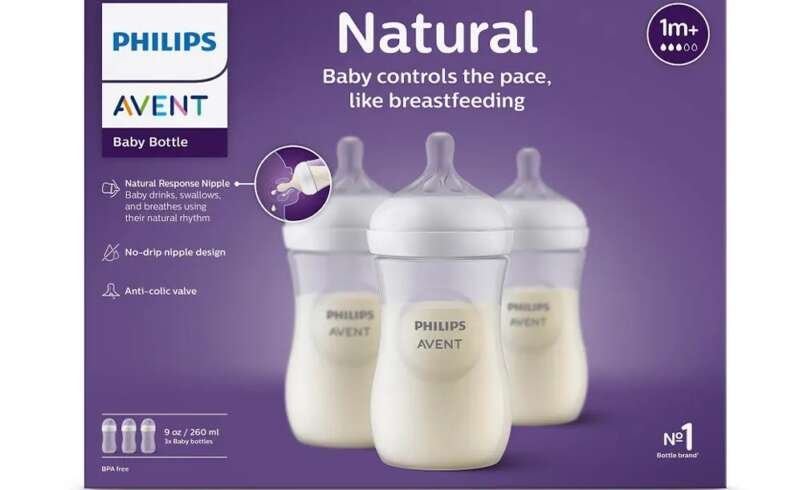

Feeding a baby is one of the most meaningful parts of early parenthood, but finding the right bottle can sometimes take a little trial and error. Every baby has different feeding preferences, and parents often look for products that make feeding comfortable, convenient, and less stressful. The Philips Avent Natural Response Baby Bottle is designed with these needs in mind, offering features intended to support a more natural feeding experience for babies.
Understanding the Philips Avent Natural Response Baby Bottle
The Philips Avent Natural Response Baby Bottle features a specially designed nipple that releases milk when a baby actively drinks. This means milk does not flow continuously in the same way it does from some conventional bottle nipples. The baby can suck, swallow, and breathe at their own pace, which is intended to support a feeding rhythm closer to breastfeeding.
This design may be helpful for families who combine breastfeeding and bottle-feeding. However, every baby is different, and some infants may need time to adjust to a new nipple shape or milk flow. Choosing the appropriate nipple size and flow rate for your baby’s feeding abilities is important.
Designed for a Natural Feeding Rhythm
One of the main features of the Philips Avent Natural Response Baby Bottle is its breast-shaped nipple design. The shape is intended to encourage a familiar latch, potentially making the transition between breast and bottle easier for some babies.
The nipple releases milk when the baby actively sucks, rather than allowing milk to flow freely without effort. This can help babies maintain control over their feeding pace. Parents should still watch for feeding cues, including pauses, signs of fullness, and discomfort, rather than encouraging a baby to finish a bottle.
It is important to remember that no bottle can guarantee a seamless transition from breastfeeding. Some babies adapt quickly, while others need patience and a little experimentation with nipple flow and positioning.
Convenience for Busy Parents
Modern family life can be demanding, particularly during the first few months after a baby arrives. A suitable feeding bottle can help make everyday routines more manageable, whether parents are feeding expressed breast milk or infant formula.
The Philips Avent Natural Response Baby Bottle is available in different sizes, depending on the product range and market. This allows parents to consider their baby’s age, feeding volume, and daily needs when choosing a suitable option.
For families who share feeding responsibilities, a bottle can also give another caregiver an opportunity to feed the baby while the mother rests or takes care of other commitments. Following the manufacturer’s instructions for assembly, cleaning, and sterilization helps keep feeding equipment ready for regular use.
What Should Parents Consider Before Buying?
Before purchasing a Philips Avent Natural Response Baby Bottle, consider the bottle capacity, nipple flow rate, ease of cleaning, and compatibility with other products in the same range. Always check the exact model and included accessories, as product specifications can differ.
Parents should also remember that a slower or unfamiliar milk flow may require an adjustment period. Never enlarge a nipple opening or force a baby to feed faster. If feeding becomes consistently difficult, painful, or unusually prolonged, consult a pediatrician or qualified feeding professional.
Final Thoughts
The Philips Avent Natural Response Baby Bottle offers a thoughtful approach to bottle-feeding by allowing milk to flow when a baby actively drinks. Its nipple design may appeal to families looking for a bottle that supports an infant’s natural feeding rhythm. Purejoy is another option parents can explore when looking for baby-care and feeding essentials to support their little one’s daily needs. By considering nipple flow, comfort, hygiene, and individual feeding preferences, parents can make a more confident choice. Every baby develops their own feeding habits, and the right bottle helps make mealtimes comfortable, responsive, and reassuring for both babies and their caregivers.