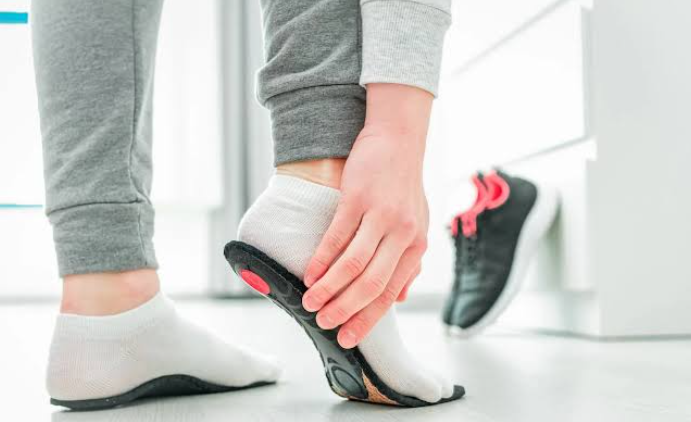

Every step you take places demands on your feet. Walking through a store, standing during work, exercising, or completing household chores requires your feet to support your body and adapt to different surfaces. When foot discomfort or inadequate support interferes with these activities, even a normal day can feel exhausting.
Physical Therapy Advantage understands the importance of comfortable movement and individualized care. Custom orthotics may be an option for people who need specialized support based on their foot structure, movement patterns, and daily activities. For individuals searching for Custom Orthotics near me, understanding how these devices work and when a professional assessment may help is an important first step.
Why Foot Support Matters for Everyday Movement
Your feet provide the foundation for standing, walking, and many other movements. They absorb and distribute forces as you move while working with the ankles, knees, hips, and other parts of the body.
When foot mechanics, footwear, or a medical condition contributes to discomfort, everyday activities may become more difficult. Some people notice heel pain during their first steps in the morning. Others experience soreness in the arch, discomfort around the ball of the foot, or fatigue after standing for extended periods.
These symptoms can have several causes. Foot structure, activity levels, previous injuries, footwear, and certain medical conditions may all influence comfort and movement.
Custom orthotics are designed to provide support based on an individual’s specific needs. However, not everyone with foot discomfort requires custom devices. An appropriate evaluation can help determine whether orthotics, footwear changes, physical therapy, medical assessment, or another approach is most suitable.
What Are Custom Orthotics?
Custom orthotics are shoe inserts made or selected specifically for an individual’s foot shape and functional requirements. They differ from standard insoles, which are manufactured in general sizes and designs for broad use.
Depending on the person’s needs, custom orthotics may be designed to support the arch, redistribute pressure, improve comfort, or influence how the foot moves during weight-bearing activities.
The design can vary according to the intended purpose. Some devices focus on cushioning and accommodating sensitive areas, while others provide more structured support or help manage particular movement patterns.
Custom orthotics are not simply about making shoes feel softer. Their purpose is to address specific needs identified during an assessment.
When considering Custom Orthotics near me, it is helpful to choose a provider who explains why a particular design is recommended and how it relates to your symptoms and daily activities.
Signs You May Benefit From an Orthotic Evaluation
Foot discomfort does not always mean custom orthotics are necessary, but persistent symptoms may warrant professional attention. An evaluation can help identify possible contributing factors and guide decisions about treatment.
You may want to discuss orthotics with a qualified healthcare professional if you experience:
- Recurring heel discomfort: Pain that repeatedly affects walking or standing.
- Arch-related symptoms: Discomfort or fatigue around the arch during daily activities.
- Foot soreness after standing: Symptoms that develop during prolonged standing or walking.
- Uneven pressure: Repeated discomfort in particular areas of the foot while wearing shoes.
- Activity-related foot pain: Symptoms that interfere with exercise, recreational sports, or regular walking.
- Foot support concerns: Difficulty finding footwear that feels comfortable and supportive for your needs.
These symptoms can arise from different conditions, so an assessment is important before deciding on a device. People with diabetes, reduced foot sensation, circulation problems, or wounds should seek appropriate medical guidance rather than relying on shoe inserts alone.
How Custom Orthotics Are Evaluated and Fitted
Choosing an orthotic should begin with understanding the person, not simply selecting an insert. A qualified provider may ask about your symptoms, activity level, footwear, medical history, previous injuries, and the situations in which discomfort occurs.
The evaluation may include examining foot structure, ankle mobility, lower-body movement, and walking patterns. The provider may also assess how your symptoms affect standing, walking, work responsibilities, or exercise.
Depending on the clinical approach, measurements, impressions, or digital scanning may be used to help determine the design of the orthotic. The method depends on the provider and the type of device being considered.
After the device is prepared, proper fitting is important. The provider should check whether it fits the intended footwear and explain how to use it. Adjustments may be needed if the device causes persistent discomfort or does not fit properly.
People searching for Custom Orthotics near me should ask about the evaluation process, fitting arrangements, expected costs, and follow-up support before making a decision.
Custom Orthotics and Common Foot Conditions
Orthotics may be considered as part of a broader care plan for selected foot and lower-limb conditions. Their usefulness depends on the diagnosis, the individual’s needs, and the design of the device.
For example, people with plantar fasciitis may be advised to consider suitable footwear or orthotic support alongside other treatments. Individuals with certain arch-related concerns may benefit from a device intended to improve comfort during weight-bearing activities.
Some people experience pain around the ball of the foot, while others have symptoms related to the Achilles tendon or other structures in the lower limb. In these situations, orthotics may be one part of management when a clinician determines they are appropriate.
It is important not to assume that every condition requires custom inserts. Exercise, changes in activity, footwear adjustments, medical treatment, or other interventions may be necessary depending on the cause of the symptoms.
A professional evaluation helps establish whether orthotics are likely to serve a useful purpose in your particular situation.
The Role of Physical Therapy in Foot Comfort
Orthotics may provide support, but they do not automatically address every factor contributing to foot pain. Muscle strength, ankle mobility, balance, activity habits, and footwear can also influence how comfortably a person moves.
Physical therapy may help address these factors when appropriate. Depending on the assessment, a program might include exercises for foot and ankle strength, calf flexibility, balance, movement control, or a gradual return to physical activity.
For example, a person who experiences discomfort while walking may need an approach that considers both foot support and the physical demands of walking. Someone returning to recreational exercise after an injury may need a progressive plan that builds strength and activity tolerance.
The best combination of treatments depends on the person’s symptoms and goals. Orthotics should complement an appropriate care plan rather than replace necessary assessment or rehabilitation.
Physical Therapy Advantage provides a starting point for discussing foot-related movement concerns and exploring available care options. Contact the practice to confirm current custom orthotics services and ask whether an evaluation is appropriate for your needs.
Adjusting to New Orthotics
Even a properly fitted orthotic may feel different from a regular shoe insert at first. Depending on the design and individual circumstances, a gradual adjustment period may be recommended.
Follow the provider’s instructions about how long to wear the devices initially and when to increase use. Avoid making sudden changes to your activity level simply because you have received new orthotics.
Pay attention to how your feet respond. Mild differences in pressure or awareness may occur, but persistent pain, skin irritation, blisters, or worsening symptoms should be discussed with the provider.
The fit of your shoes also matters. Some orthotics require sufficient depth or removable factory insoles to fit comfortably. Bringing the footwear you use most often to your fitting can help the provider assess compatibility.
Follow-up appointments may help determine whether the devices are functioning as intended and whether adjustments are needed. The goal is comfortable, appropriate support—not simply wearing an insert for as many hours as possible.
Everyday Habits That Support Foot Health
Foot comfort depends on more than orthotics alone. Practical habits may help you manage daily demands and identify activities that aggravate symptoms.
- Choose suitable footwear: Look for shoes that fit properly and provide support appropriate to your activities.
- Increase exercise gradually: Avoid sudden increases in walking, running, or standing time when symptoms are present.
- Follow professional advice: Use prescribed exercises or treatment strategies as directed.
- Monitor recurring discomfort: Notice when symptoms begin and which activities seem to affect them.
- Check the fit: Inspect footwear and orthotics for areas of rubbing or pressure.
- Seek help when symptoms persist: Do not assume ongoing or worsening pain will resolve through inserts alone.
These general suggestions are not a substitute for personalized medical advice. If foot pain is severe, follows a significant injury, or prevents you from bearing weight, seek prompt medical assessment.
Choosing the Right Provider for Custom Orthotics Near Me
Finding the right provider involves more than choosing the nearest location. Look for a qualified professional who evaluates your needs, explains the purpose of the recommended device, and offers guidance about fitting and follow-up.
Before proceeding, consider asking how the assessment is performed, what type of orthotic is recommended, and whether other treatment options may be appropriate. It is also sensible to discuss cost, insurance coverage, expected turnaround time, and the process for making adjustments.
A reliable provider should explain the expected benefits realistically. Custom orthotics can help some people manage specific foot-related problems, but results vary and no device can guarantee pain relief for everyone.
When researching Custom Orthotics near me, prioritize a provider who considers your symptoms, footwear, activity goals, and overall movement needs rather than recommending the same solution to every person.
Conclusion: Take a Personalized Approach to Foot Support
Foot comfort plays an important role in walking, working, exercising, and enjoying everyday activities. When recurring discomfort or support concerns affect your routine, custom orthotics may be worth discussing with a qualified healthcare professional.
For individuals searching for Custom Orthotics near me, the best starting point is an evaluation that considers foot structure, movement patterns, symptoms, footwear, and personal goals. Depending on the findings, orthotics may be recommended alongside physical therapy, appropriate exercises, or other care.
Physical Therapy Advantage recognizes the importance of individualized support and informed treatment decisions. By exploring suitable options and following professional guidance, you can take practical steps toward improving foot comfort and making daily movement more manageable.